
A relay module in a fire alarm system acts like a smart switch, helping the alarm panel control other devices automatically. It plays a key role in triggering actions such as unlocking doors, shutting down HVAC systems, or activating emergency lights when a fire is detected. In this guide, we’ll walk through 8 key functions that show how the relay module helps keep your building safe and systems connected during an emergency.
What Is A Relay Module In A Fire Alarm System?
Basic Definition And Purpose
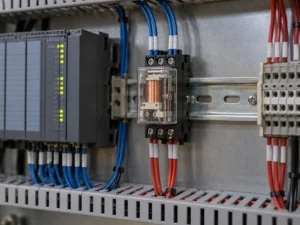
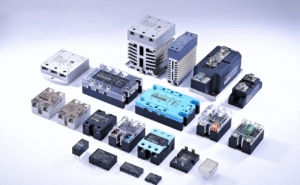
A relay module is a small device that lets the fire alarm control panel operate external systems. It acts like a switch, turning equipment on or off when an alarm is triggered.
For example, if there’s a fire, the alarm detects it—but can’t directly control HVAC systems or unlock fire doors. The relay module receives the alarm signal and passes it to those devices to take action.
This module also ensures a safe connection between low-voltage alarm circuits and high-voltage systems, protecting sensitive components while enabling critical responses.
How Relay Modules Work In Fire Alarm Systems
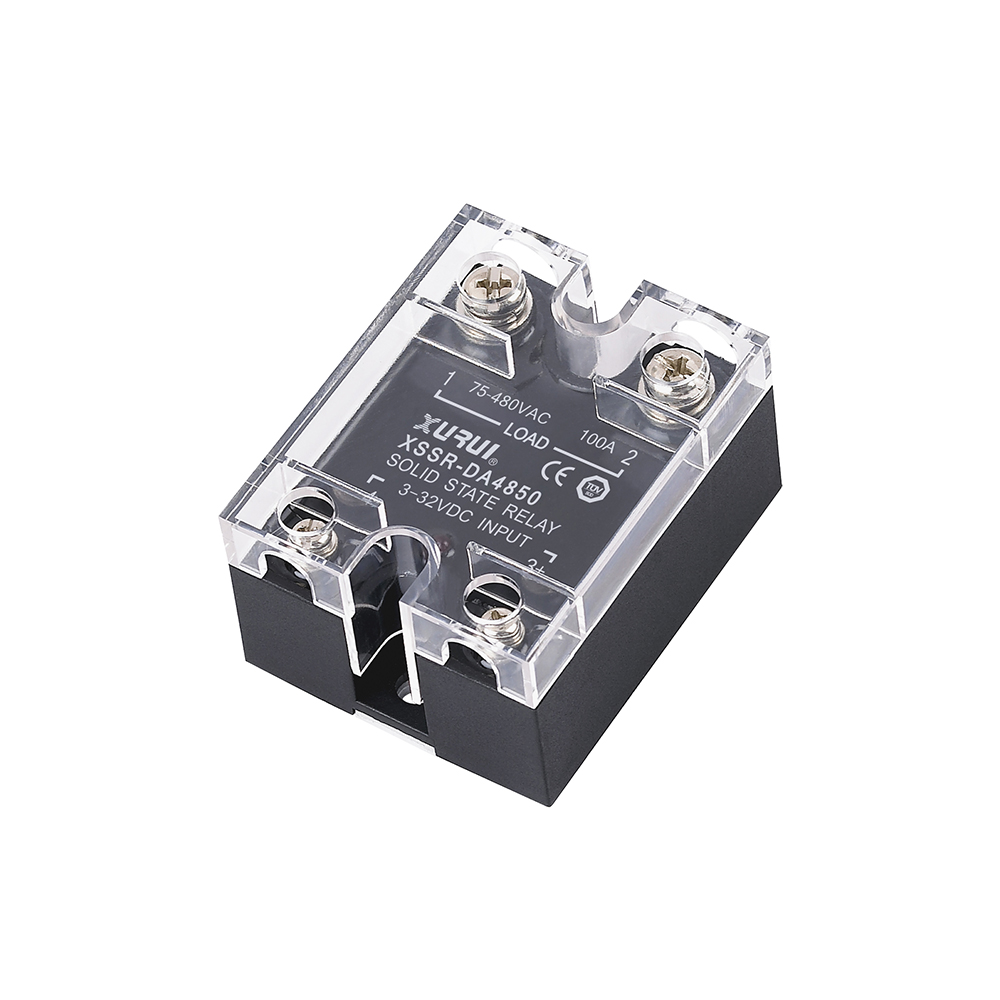
Each relay inside the module uses normally open (NO) or normally closed (NC) contacts. When triggered, the relay flips the contact state, either completing or interrupting a connected circuit.
This mechanism lets the fire panel control systems like ventilation, lighting, and access control. Many modules feature multiple outputs, LED indicators, and labeled terminals for easier setup and diagnostics.
Relay modules allow fire alarm systems to actively manage safety functions throughout the building, going beyond just sounding an alarm.
Why Relay Modules Matter In Fire Safety Applications
Acting As A Bridge Between Control Panels And Building Systems
The fire panel can’t directly operate HVACs, elevators, or locks. Relay modules bridge the gap, converting alarm signals into commands that other systems can act on.
This connection ensures safe and immediate communication between sensitive electronics and high-powered equipment during emergencies.
Ensuring Automated Emergency Responses
Relay modules enable automated actions like unlocking exits or cutting power to fans. These automated steps reduce human error and speed up emergency response.
They also help buildings meet safety codes like NFPA 72, which require fast, reliable activation of systems during fire events.
Overview Of 8 Key Functions Of Relay Modules
1. Elevator Recall Function
Moves elevators to a safe floor and disables operation to prevent entrapment during emergencies.
2. HVAC Shutdown Control
Stops HVAC systems to prevent smoke from circulating and supports air pressure management.
3. Magnetic Door Release
Disengages magnetic locks or holders so doors can close or unlock, allowing safe evacuation.
4. Fire Door Closure Mechanism
Closes fire-rated doors to limit smoke and fire spread, aiding evacuation and containment.
5. External Alarm Activation
Powers exterior sirens or strobes to alert people outside or aid emergency response.
6. Fan Control For Stairwell Pressurization Or Smoke Extraction
Activates fans to keep stairwells clear or extract smoke from affected areas.
7. Emergency Lighting Activation
Turns on emergency lights or backup generators for visibility during a power outage.
8. Interface With Building Management System (BMS)
Sends status signals to the BMS for monitoring, control, and event logging.
Typical Users And Their Goals With Relay Modules
Fire Alarm Installers And Technicians
Need clearly labeled terminals, easy wiring, and feedback indicators. These features reduce installation errors and make testing faster and more reliable.
Fire Protection Engineers
Focus on system design, code compliance, and integration. They prefer programmable, scalable relay modules.
Facility Managers And Maintenance Teams
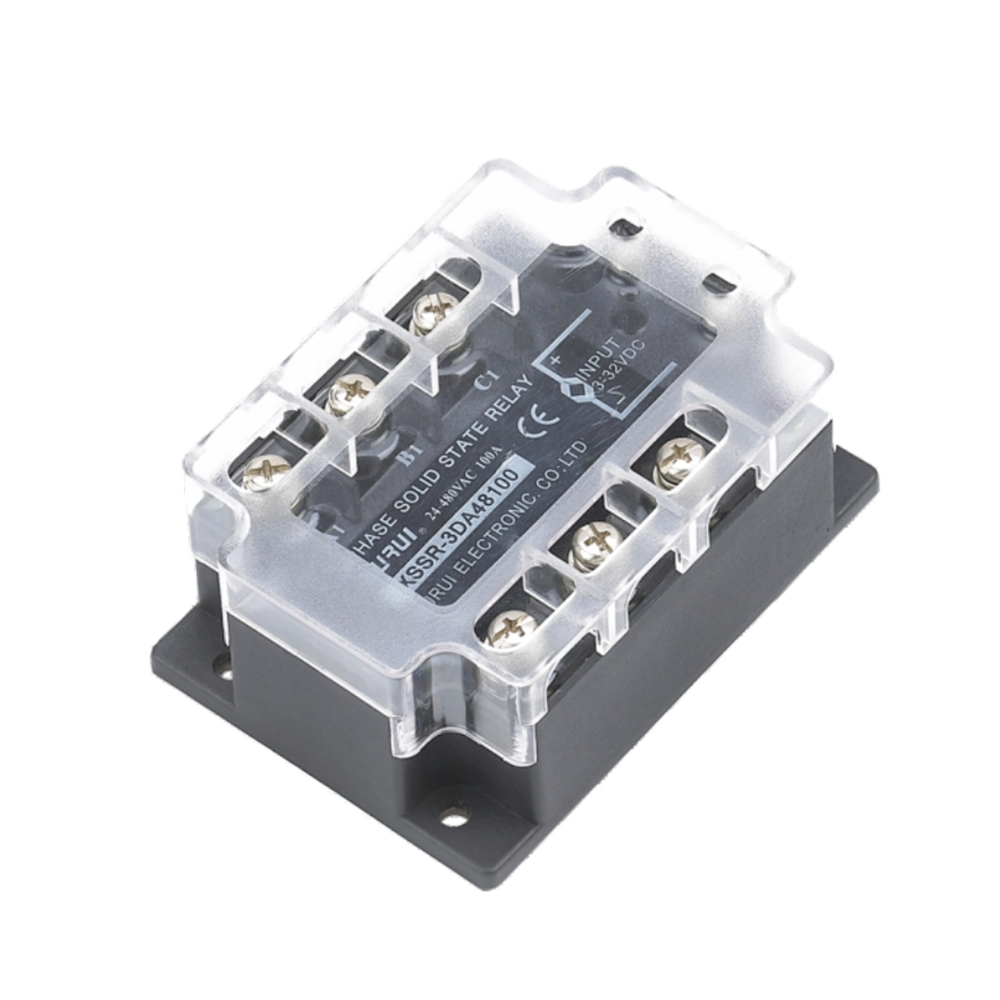
Require reliable performance and clear documentation. Solid-state options and built-in diagnostics help reduce downtime and ensure inspections are passed.
Common Pain Points And Practical Solutions
Wiring Confusion
Miswiring NO/NC contacts is common. Use clearly labeled terminals and reference guides to prevent setup issues.
Device Compatibility Issues
Voltage mismatches or incorrect contact logic can prevent devices from working. Match specifications and test connections before final wiring.
Lack Of Flexibility In Basic Modules
Rigid modules limit configuration options. Programmable relays allow delayed outputs, latch settings, and custom sequences.
Compliance Risks With Non-Certified Modules
Non-listed modules may fail inspections. Choose certified products that meet NFPA or EN standards for reliable approval.
Real-World Relay Module Problems And How To Fix Them
Relay Stuck Or Not Resetting
Often caused by incorrect latching logic. Adjust jumper settings or software configuration to enable proper reset.
Overloaded Relay Outputs
Too many connected devices can exceed the load limit. Use contactors or split the power supply to prevent overheating and failure.
Wrong Relay Connections
Using NC instead of NO can cause system malfunction. Verify device requirements and connection logic before installation.
Best Practices For Using Relay Modules In Fire Alarm Systems
Label Every Relay Output Clearly
Use printed labels or HMI panels to identify relay functions. This improves maintenance and reduces troubleshooting time.
Implement Regular Testing Procedures
Test relay outputs during routine fire drills. Replace aging mechanical relays on a schedule to avoid failures.
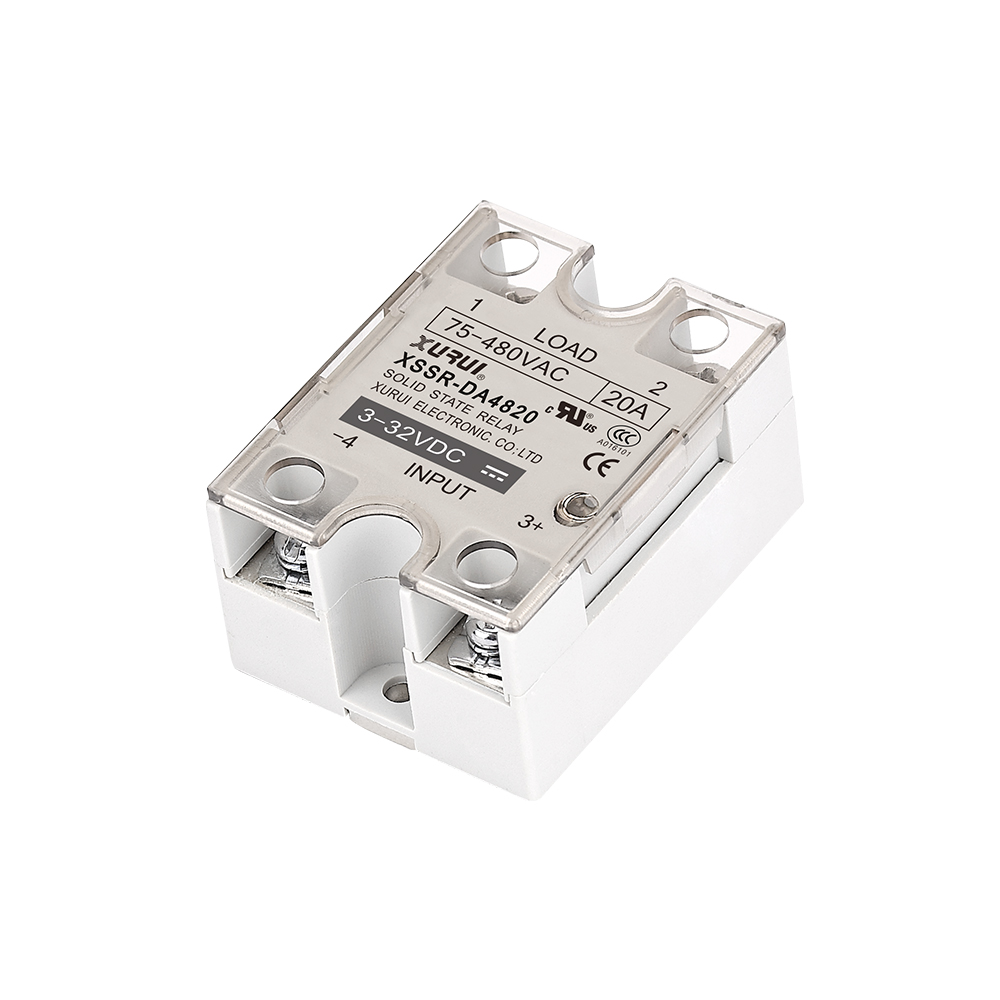
Use Solid-State Relays For High Reliability
Solid State Relay options offer faster switching, longer life, and better performance in demanding or high-use areas.
Conclusion
Relay modules are essential in fire alarm systems. They turn alarm signals into immediate actions that enhance safety. When properly installed and maintained, they ensure your building’s response is fast, reliable, and code-compliant.
XURUI Engineering Team