Industrial Limit Switch Selection Guide: Actuator, Travel and Enclosure
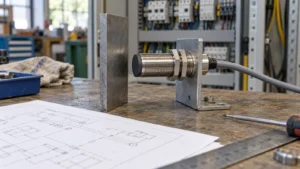
A limit switch converts mechanical movement into an electrical state change. Reliable selection requires the actuator, target motion, travel, enclosure, contacts and mounting geometry to work together.
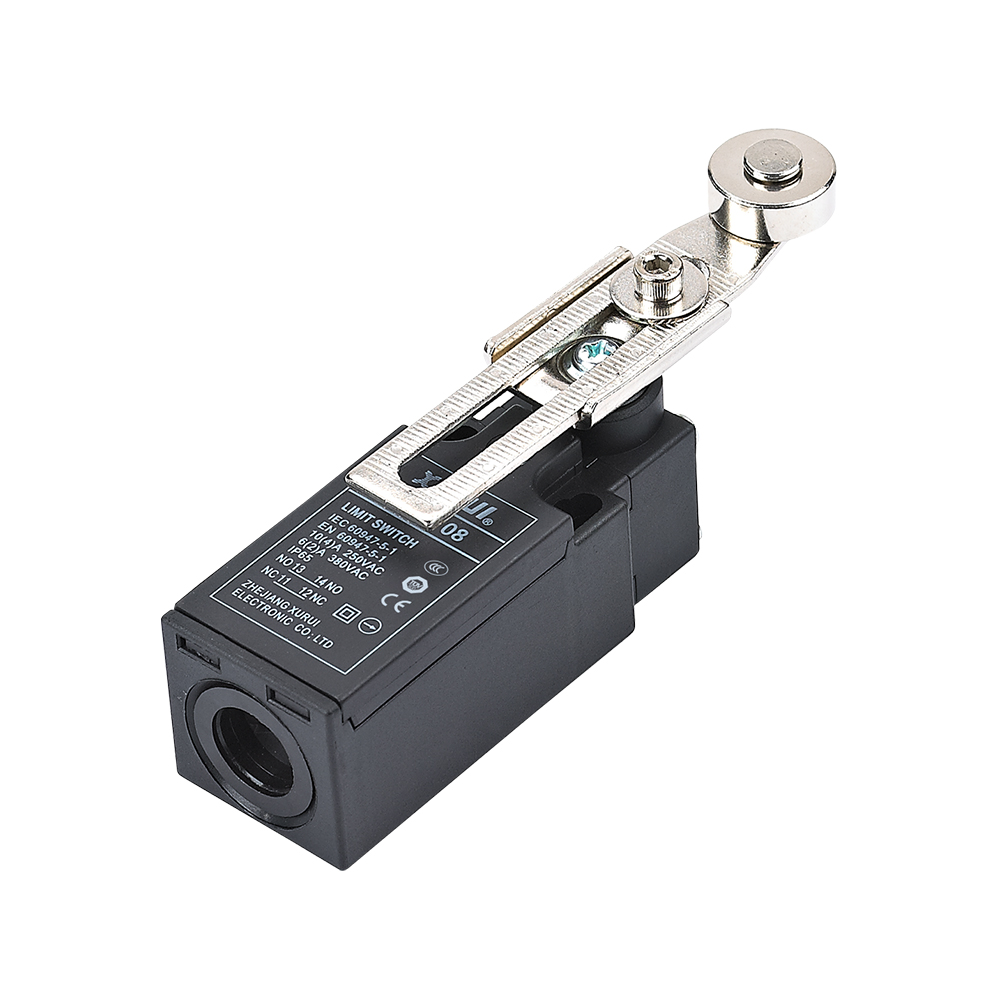
A limit switch converts mechanical movement into an electrical state change. Reliable selection requires the actuator, target motion, travel, enclosure, contacts and mounting geometry to work together.
Start from the target movement
Record direction, speed, impact, repeatability and tolerance. A switch for slow, controlled cam movement is not selected the same way as one exposed to fast impact or misalignment.
Choose the actuator head
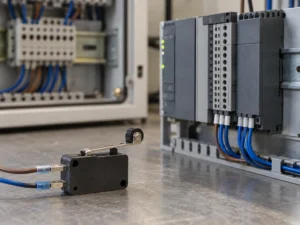
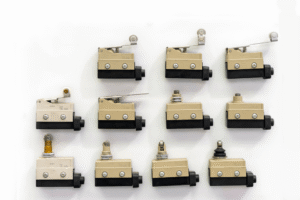
Plungers provide direct linear actuation. Roller plungers reduce friction where the target slides across the actuator. Lever and roller-lever heads provide more approach flexibility and can amplify movement, but they also introduce geometry that must be checked.
Understand travel terms
Pretravel is movement before the contact changes state. Overtravel is available movement after operation. Differential movement separates operation and release points. These values determine repeatability and whether the mechanism can tolerate variation without damaging the switch.
Match enclosure to environment
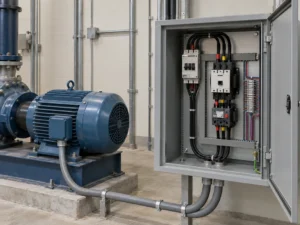
Consider dust, moisture, oil, impact, vibration, temperature and cable entry. Protection ratings apply to defined test conditions and should be verified for the complete selected configuration.
Build a comparison table
Compare mounting dimensions, actuator position, contact form, load, travel, temperature, protection and approvals. A similar-looking body is not proof of functional interchangeability.
Frequently asked questions
Can a limit switch stop machine travel mechanically?
It should normally signal the control system rather than act as the physical stop. Provide separate mechanical stopping and safe overtravel.
How do I replace another brand?
Compare drawings, actuator geometry, circuit, ratings and environmental protection before testing a sample.
Does a higher current rating guarantee longer life?
No. Life depends on load type, switching frequency, contact behavior and mechanical operation.