

Industrial switch engineering guides
written for selection and sourcing decisions
Technical guides, application notes and purchasing resources for engineers, equipment manufacturers and industrial component buyers.
Start with the selection fundamentals
 ENGINEERING GUIDE
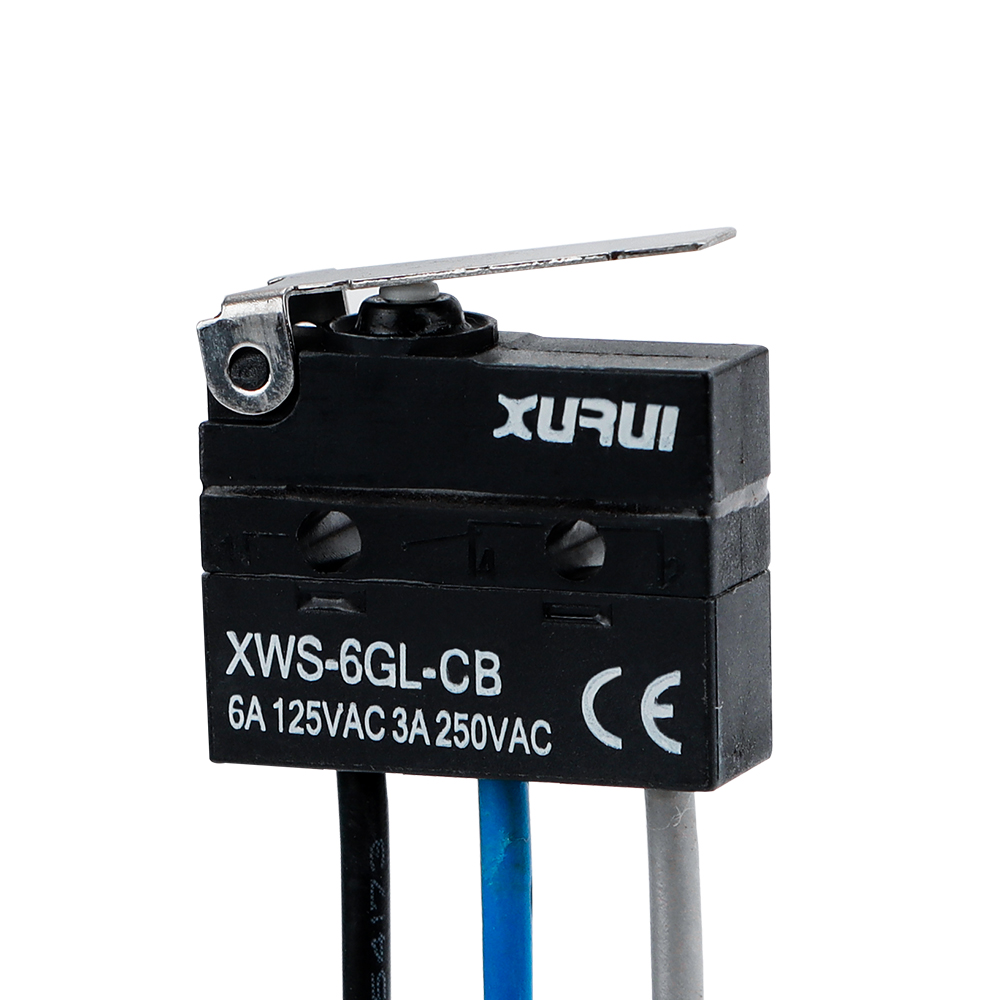
Waterproof Micro Switch Guide: IP Ratings, Sealing and Selection
A waterproof micro switch must maintain predictable electrical and mechanical performance when moisture, dust, oil, cleaning processes or outdoor exposure affect the assembly. The correct choice depends on more than the IP number printed on a datasheet.
Read guide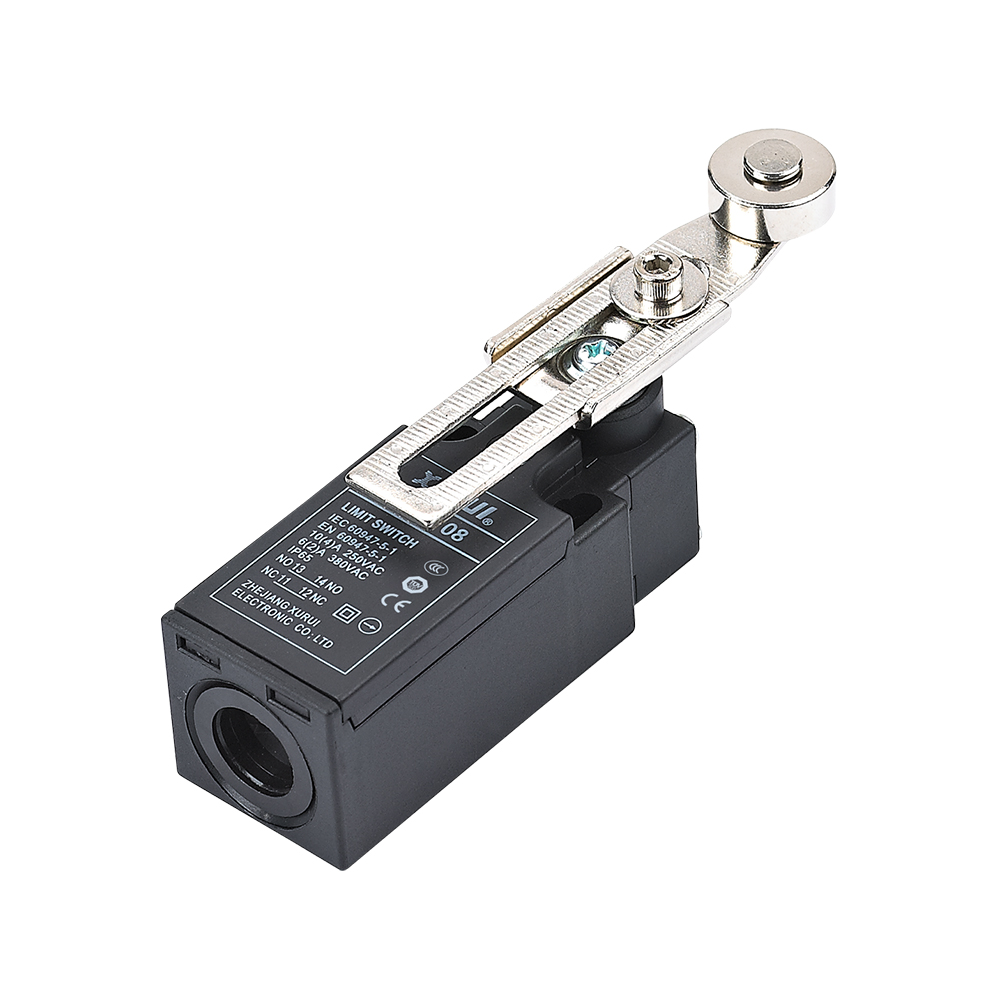 ENGINEERING GUIDE
Industrial Limit Switch Selection Guide: Actuator, Travel and Enclosure
A limit switch converts mechanical movement into an electrical state change. Reliable selection requires the actuator, target motion, travel, enclosure, contacts and mounting geometry to work together.
Read guide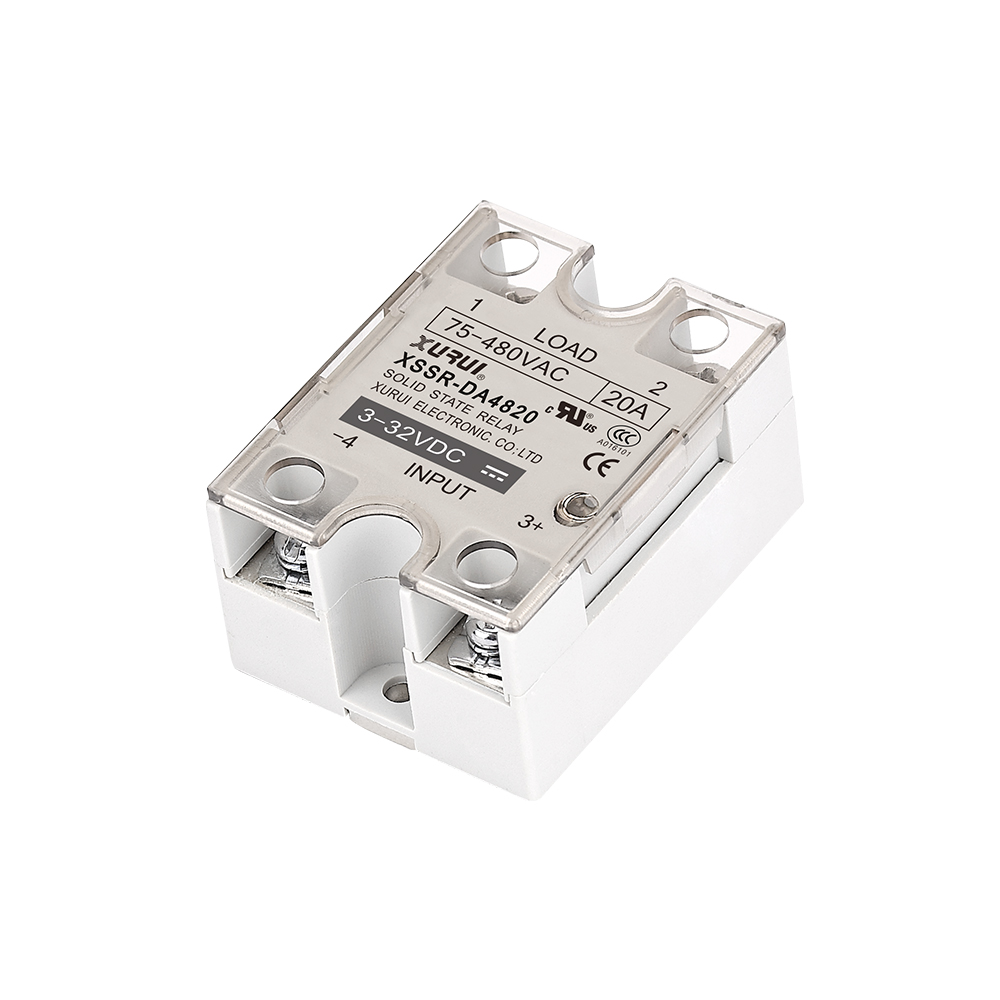 ENGINEERING GUIDE
Solid State Relay Selection Guide: Load, Current, Heat and Protection
A solid state relay has no moving power contacts, but it is not a simple drop-in current block. Correct selection depends on the input, output device, load, surge, switching method and thermal path.
Read guideLatest articles
Browse practical engineering guides for component selection, sourcing and application decisions.
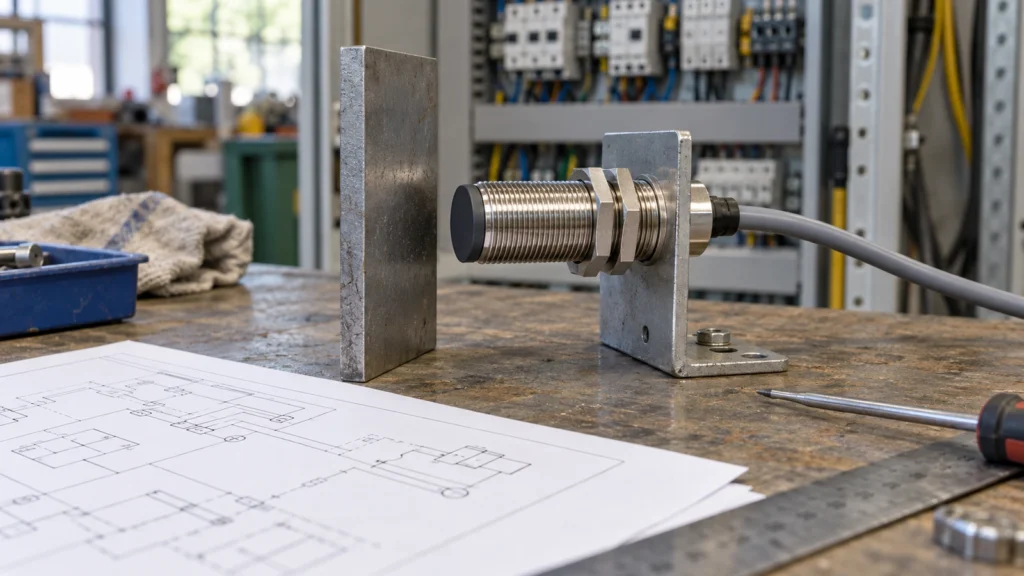
Proximity Switch Symbols: A Complete Guide to Reading Electrical Schematics
A prox switch symbol marks a device that detects a nearby object without contact and changes an electrical output. Labels and terminal connections identify the sensing method and…
Read article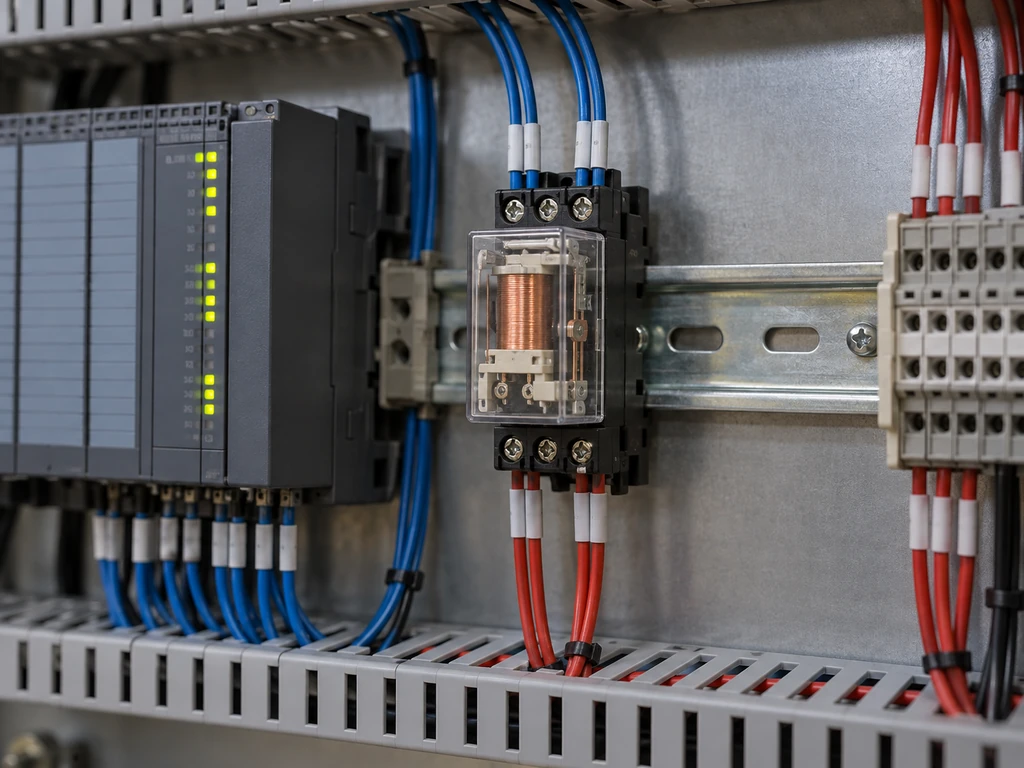
What Is an Interposing Relay? A PLC Engineer’s Guide
An interposing relay sits between a controller and a field circuit. In a common PLC arrangement, the PLC output energizes the relay coil, and the contacts switch the…
Read article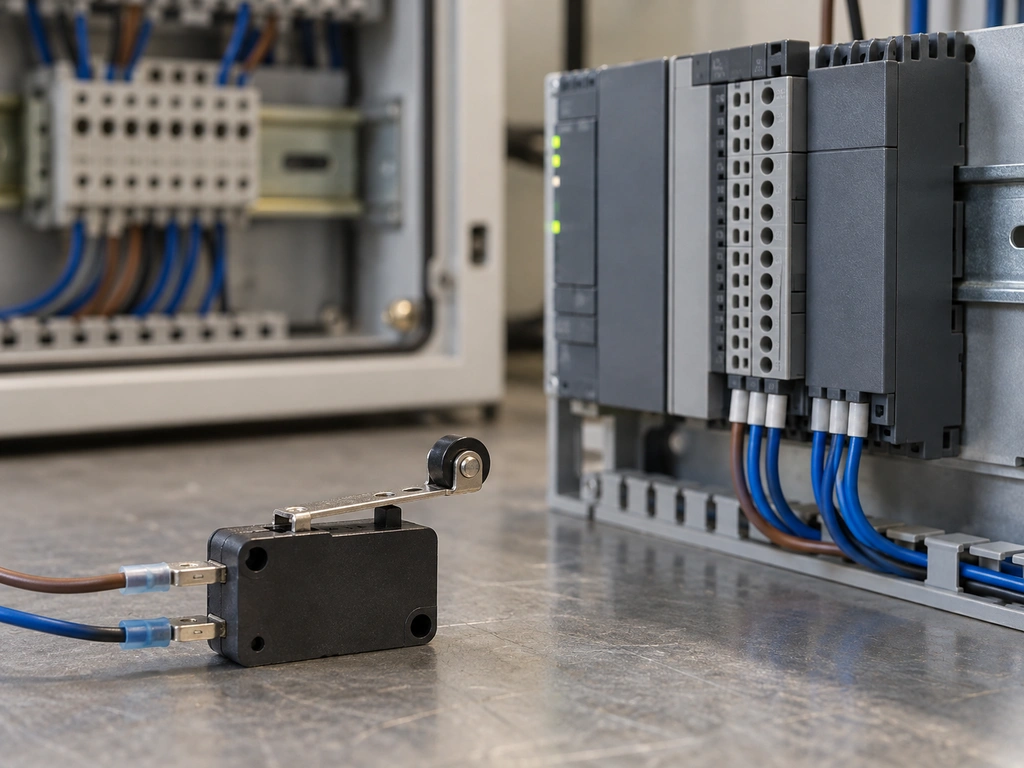
Dry Contact vs Wet Contact: How to Identify and Wire PLC Signals
The difference between a dry contact and a wet contact is where the signal voltage comes from. A dry contact opens or closes a circuit powered elsewhere. A…
Read article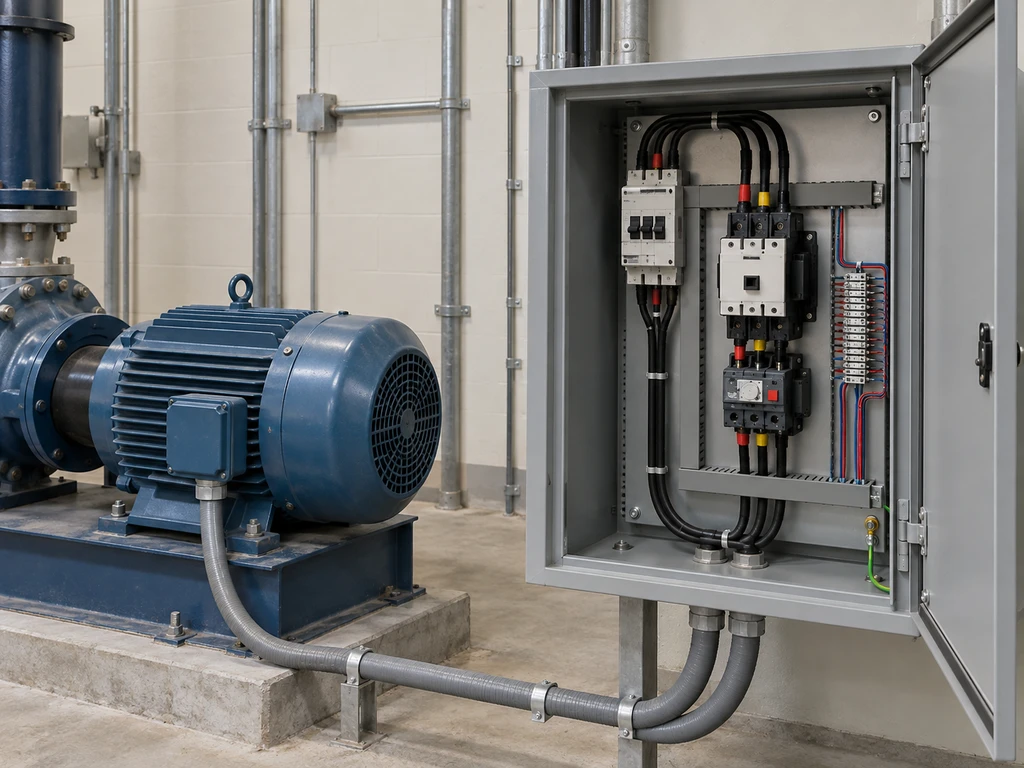
FVNR Motor Starter: A Practical Guide for OEMs and Panel Builders
An FVNR motor starter connects a motor to full line voltage for starting and stopping. It runs the motor in one direction. The setup still needs to match…
Read articleNEMA Enclosure Ratings: Types, Comparison Chart, and Selection Tips
NEMA enclosure ratings describe how electrical enclosures protect against environmental conditions such as dirt, dust, water, corrosion, ice, oil, coolant, and limited submersion. Each Type is a separate…
Read article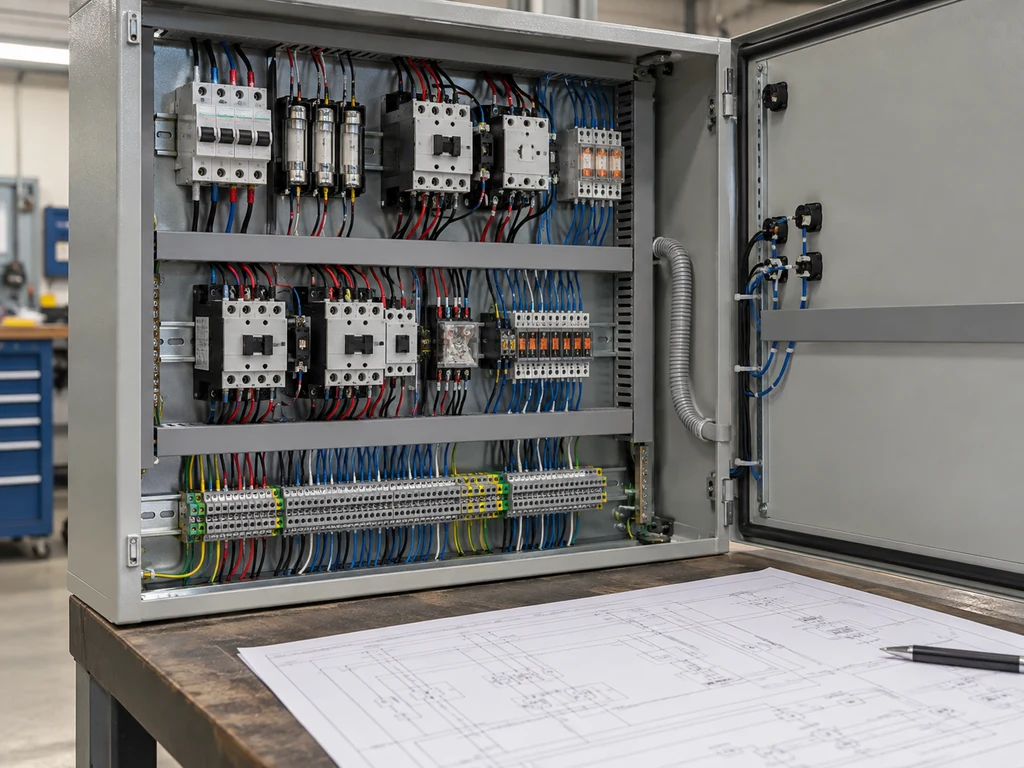
How to Read an Electrical Panel Wiring Diagram for Control Panel Selection?
An electrical panel wiring diagram shows how power, control signals, protective devices, and field connections link within and beyond a panel. Read it by checking the drawing references…
Read article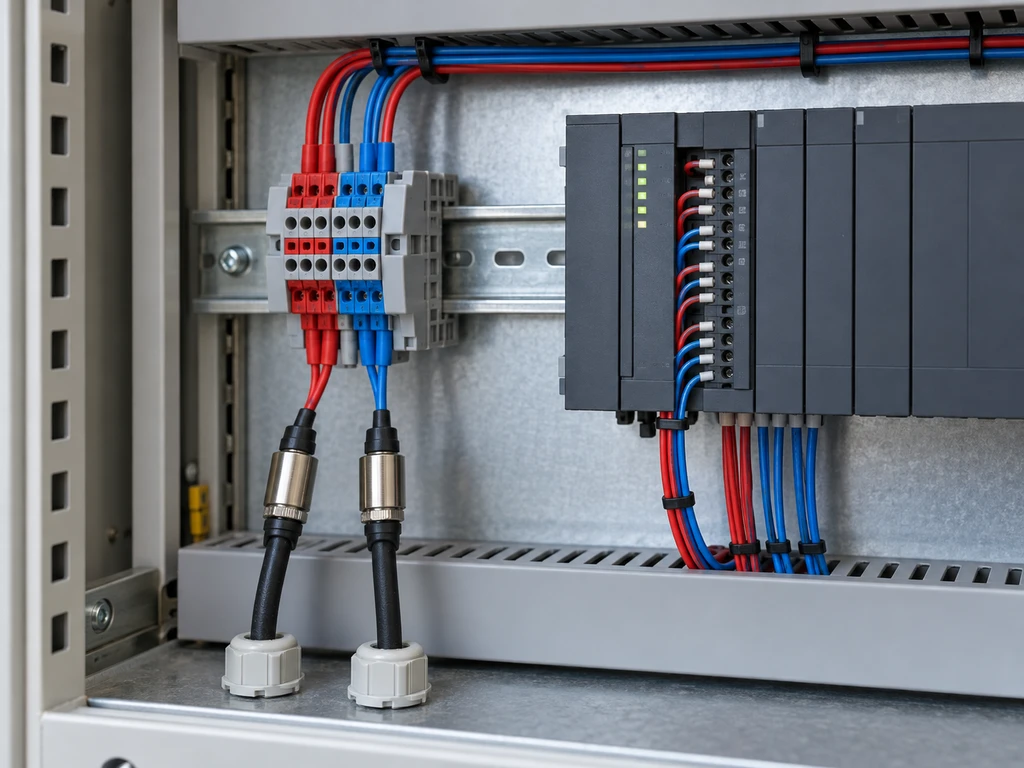
Sinking And Sourcing PLC Inputs: PNP And NPN DC Wiring Explained
Sinking and sourcing describe how current moves through a DC input circuit. In sourcing vs sinking wiring, a PNP sensor sources current to a sinking PLC input, while…
Read article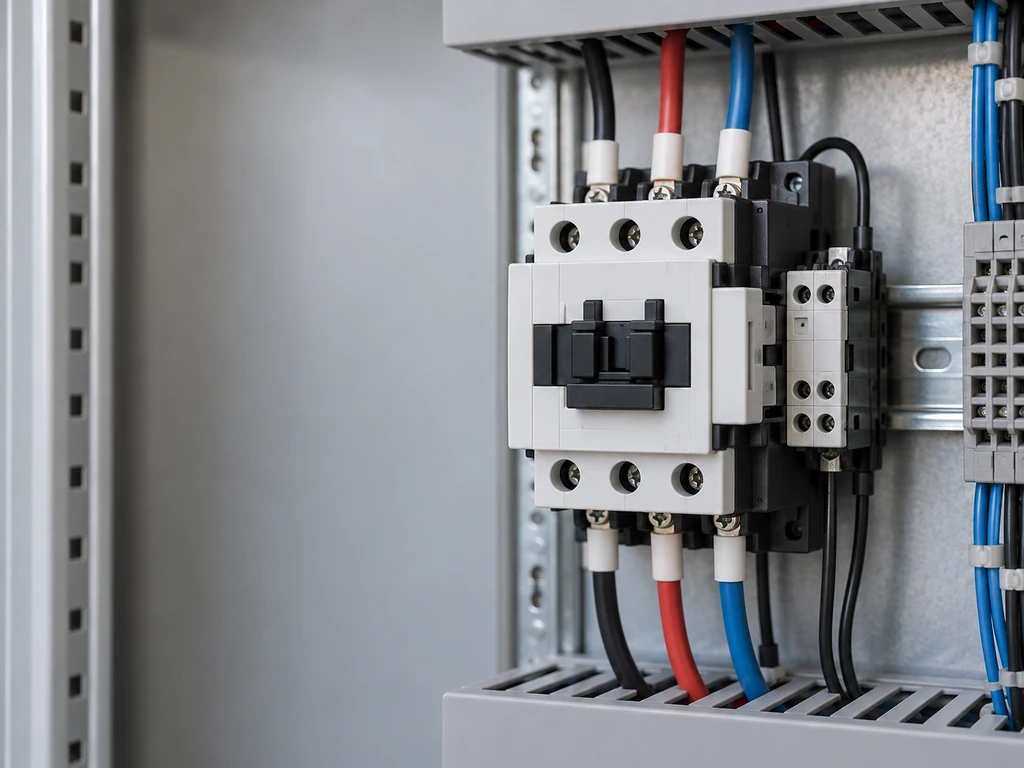
What Is a Contactor? Selection Guide for Industrial Electrical Buyers
A contactor is an electrically controlled switch that repeatedly connects and disconnects a power circuit. It lets a low-power control signal operate motors, heaters, lighting, and other higher-current…
Read article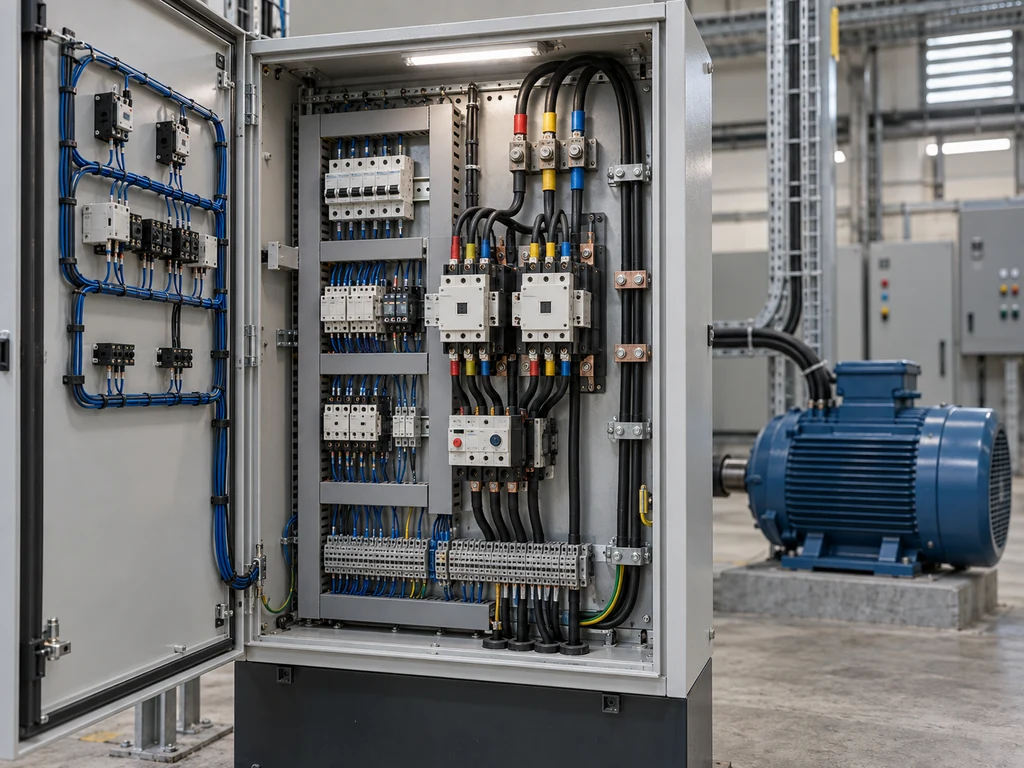
Electrical Motor Control Circuits: Components, Diagrams, and Working Principles
Electrical motor control circuits use command, switching, and protection devices to start, stop, reverse, or automatically operate motors. They separate the high-current power path from the logic that…
Read article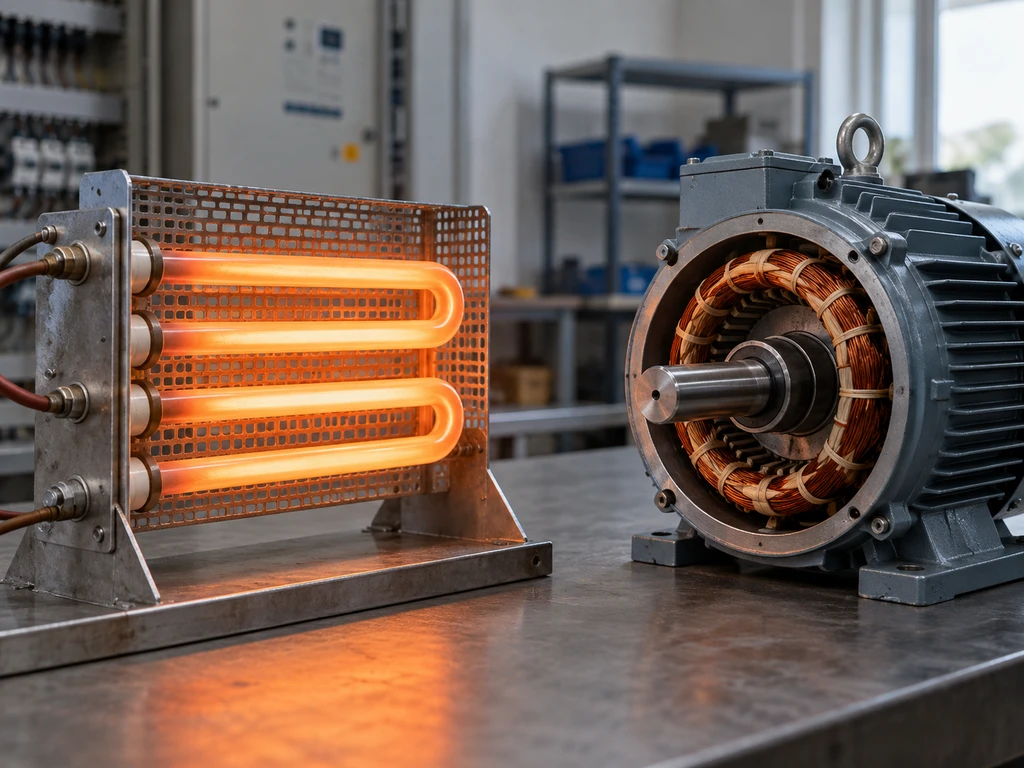
Inductive Load vs Resistive Load: Differences, Examples, and Applications
The main difference between an inductive load and a resistive load is how each uses electrical energy. A resistive load converts power mainly into heat or light. An…
Read article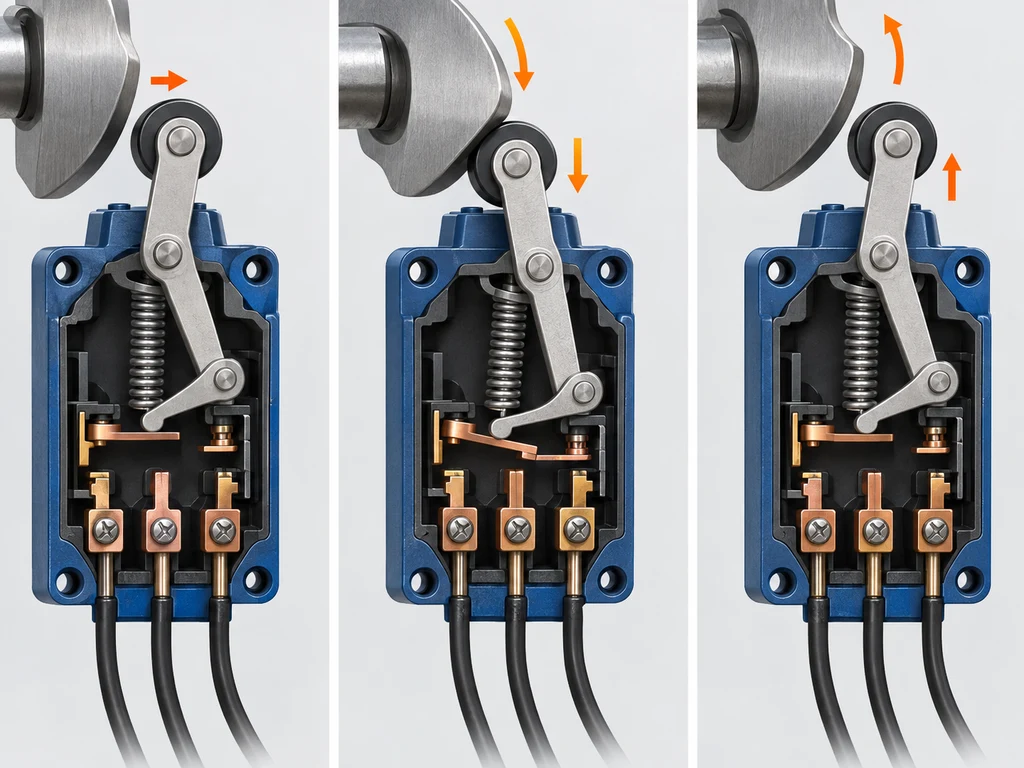
What Is a Limit Switch? How It Works, Types, Uses, and Selection
A limit switch is an electromechanical position sensor. When a target moves its actuator, mechanically linked contacts make or break an electrical connection. This article focuses on mechanically…
Read article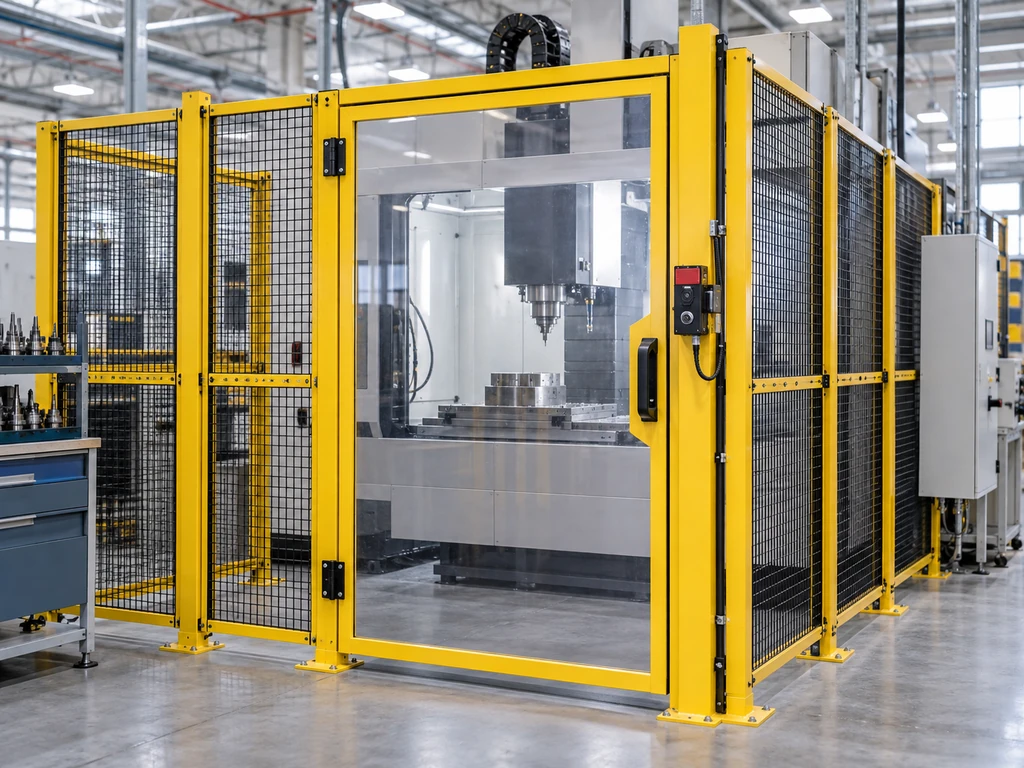
Interlocked Machine Guards: Risk-Based System Design
Interlocked Machine Guards combine a physical barrier with a safety-related control function so hazardous operation is inhibited when access is unsafe. The design must address the complete system,…
Read articleBuild topical authority by family
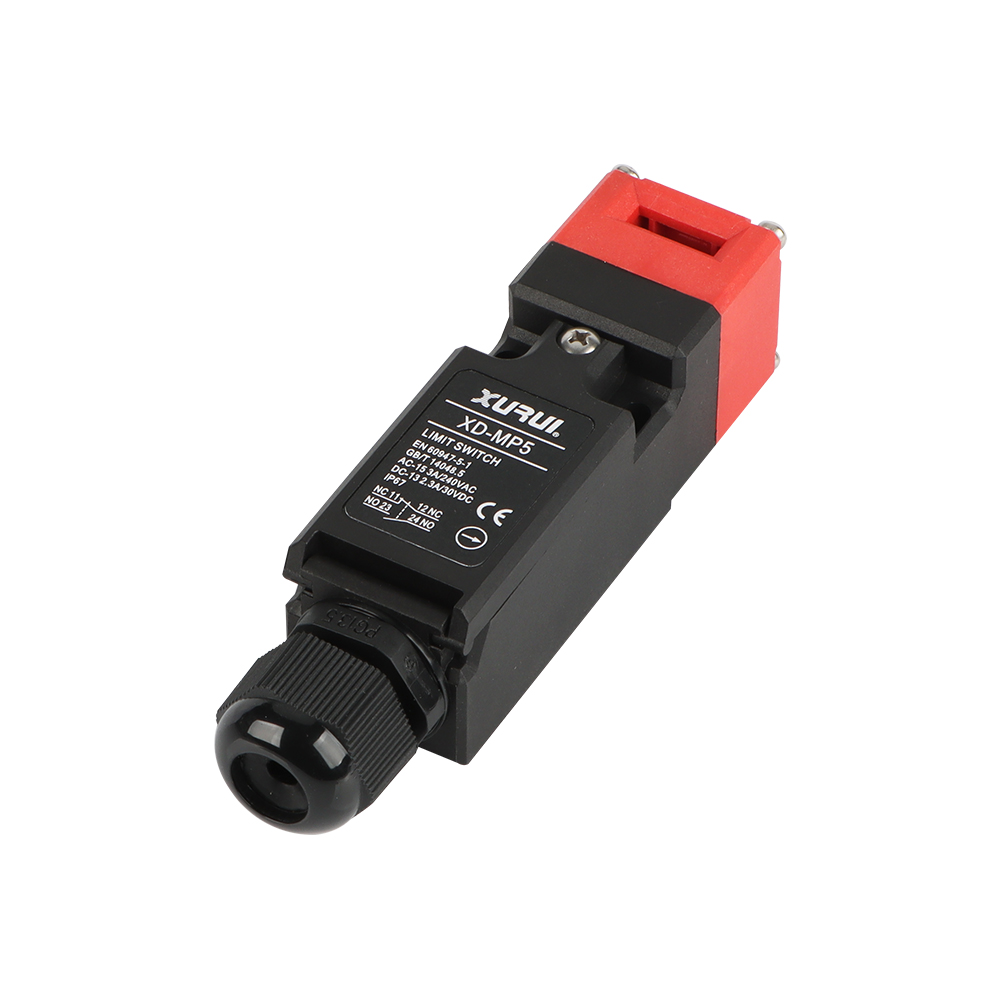
Safety Door Switch Selection
Compare guard monitoring, locking, contact architecture and installation risks.
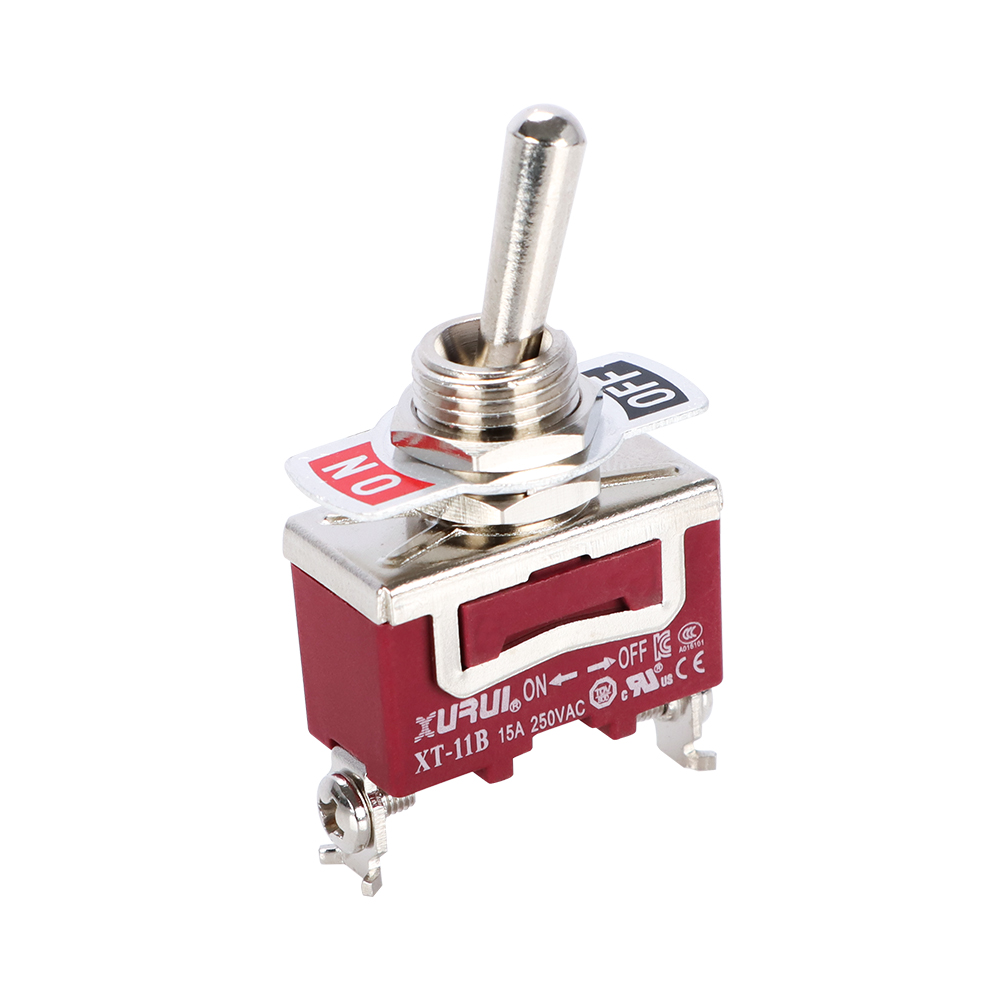
Maintained vs. Momentary Toggle Switches
Choose the switch action that matches the control logic and expected operator behavior.
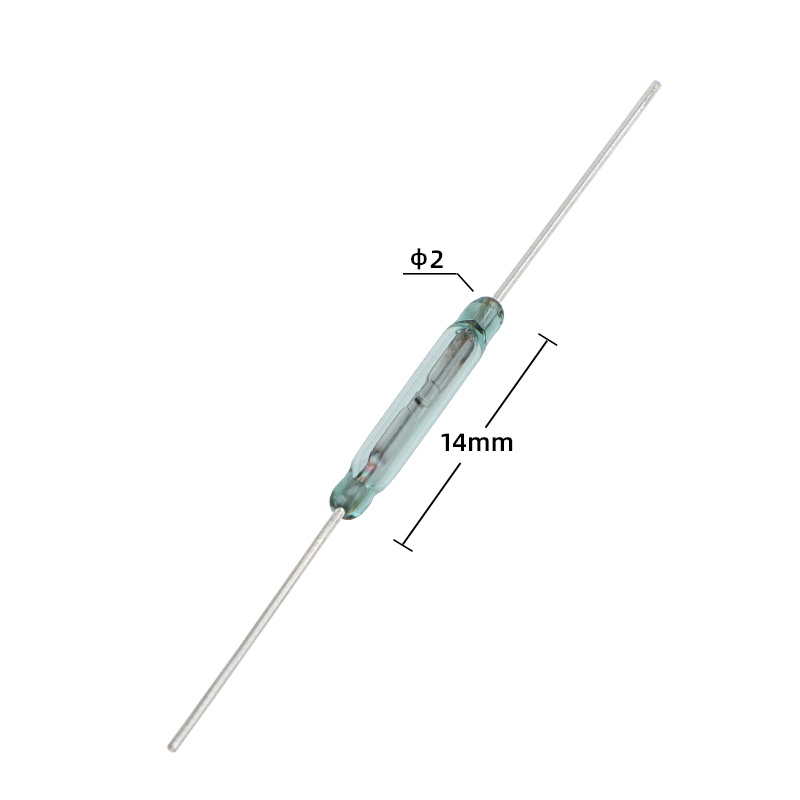
Reed Switch and Reed Relay Fundamentals
Understand sensitivity, switching load, response time and magnet geometry.

Understanding Limit Switch Travel
Use pretravel, overtravel and differential movement to protect repeatability and service life.
SSR Sourcing Checklist
Evaluate load, surge, switching mode, thermal design, protection and supplier evidence.
Toggle Guard Selection
Reduce accidental operation while preserving access and panel usability.