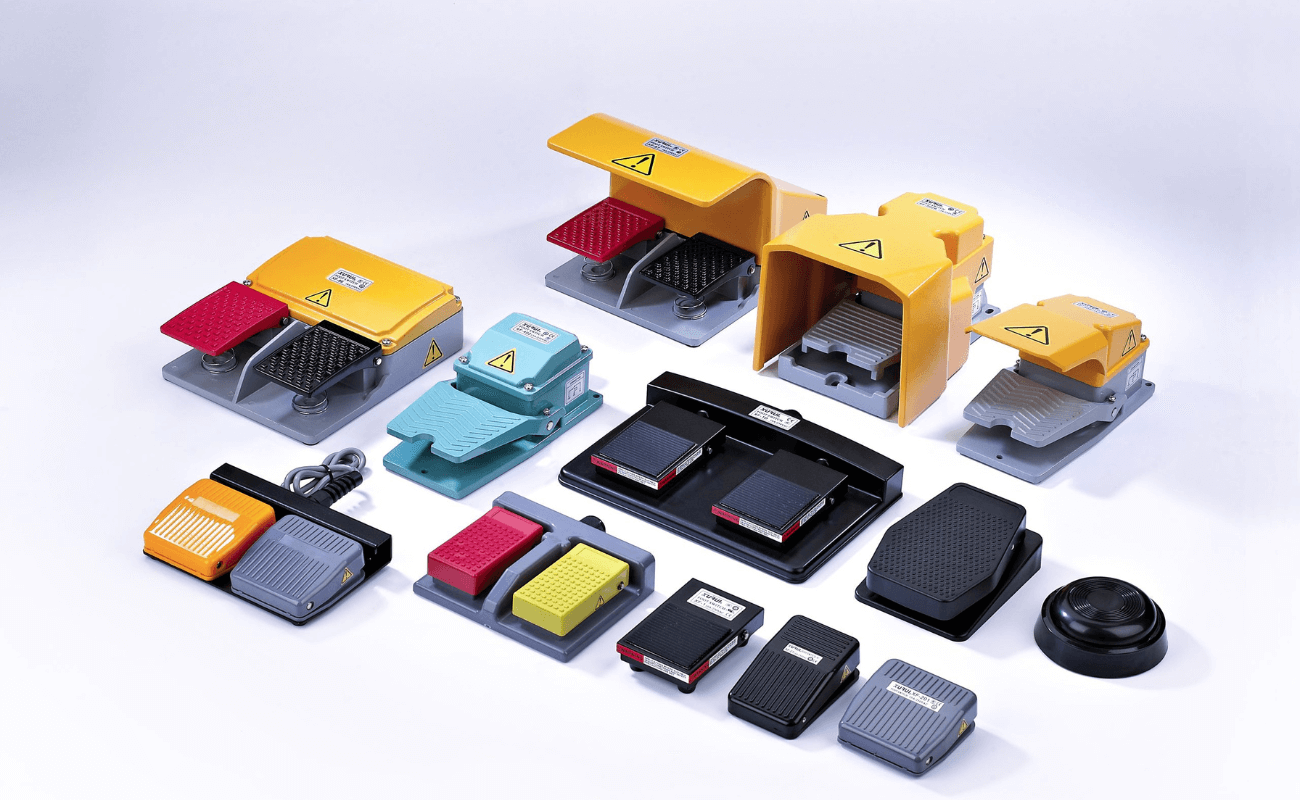
In industrial environments, foot switches are directly linked to operator safety and machine control. If a foot switch is not properly certified, it can fail inspections, increase liability risk, and create serious safety concerns. Certifications confirm that a foot switch meets recognized safety and electrical standards. This guide explains why certifications matter, which ones are essential, and how they help reduce operational and compliance risks.
What Certifications Really Mean for Industrial Foot Switches
Certifications indicate that a foot switch has passed third-party testing against defined safety, electrical, and mechanical standards. These tests are performed by recognized certification bodies rather than the manufacturer itself.
For buyers, certifications answer several essential questions:
- Is this foot switch safe for continuous industrial operation?
- Will it meet local and international regulatory requirements?
- Can it pass factory audits and equipment inspections?
- Does it reduce liability in the event of an accident?
Without certifications, there is no objective assurance that a foot switch meets industrial safety expectations.
Related Reading: Is a Foot Switch the Same as a Sustain Pedal? The Clear Answer
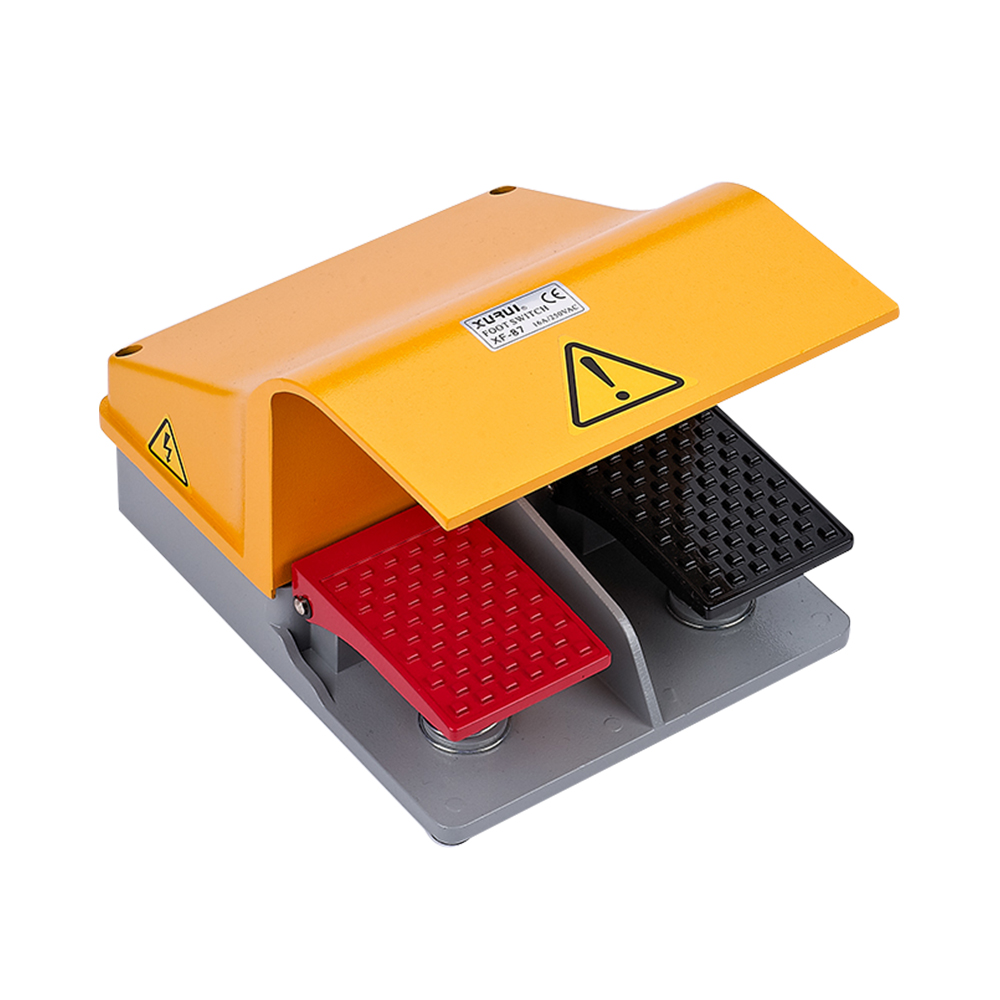
Key Certifications Commonly Required for Industrial Foot Switches
CE Certification – Mandatory Compliance in the European Market
CE marking confirms that a foot switch complies with European Union directives related to safety, health, and environmental protection.
For industrial foot switches, CE certification typically indicates:
- Electrical safety under low-voltage requirements
- Mechanical safety for operator interaction
- Legal eligibility for use and sale in EU countries
Foot switches without CE certification may be rejected during inspections or prohibited from use in regulated industrial environments within Europe.
UL Certification – Electrical Safety Standard in North America
UL certification is widely required in the United States and Canada for industrial control components.
For foot switches, UL certification helps ensure:
- Safe electrical insulation and wiring
- Reduced risk of short circuits, overheating, and fire
- Acceptance by inspectors, insurance providers, and OEMs
In many North American factories, UL-certified components are not optional—they are mandatory.
TÜV Certification – Functional and Mechanical Safety Assurance
TÜV certification focuses on both functional reliability and mechanical safety, which are especially important for foot-operated devices.
This certification verifies that a foot switch:
- Withstands repeated mechanical stress
- Maintains consistent performance over time
- Operates safely under industrial load conditions
TÜV approval adds an extra layer of trust for applications where long-term reliability is critical.
CCC Certification – Compulsory Safety Approval for China
CCC certification is required for many electrical and control devices used in China.
For industrial foot switches, CCC certification ensures:
- Compliance with Chinese national safety standards
- Legal approval for installation and operation
- Smoother project approval and import processes
For companies operating globally, CCC certification is essential to avoid regulatory delays.
How Certifications Reduce Real Operational Risk
Improved Operator Safety
Certified foot switches are tested to ensure predictable activation, proper insulation, and mechanical stability. This reduces the likelihood of accidental triggering, delayed response, or electrical faults that could endanger operators.
Easier Compliance and Audits
During safety audits or customer inspections, uncertified components are often flagged immediately. Certified foot switches:
- Meet recognized compliance benchmarks
- Simplify documentation and approval processes
- Reduce the risk of audit failure or rework
Lower Legal and Liability Exposure
If an incident occurs, the use of certified components demonstrates that reasonable safety measures were taken. This can significantly reduce legal and insurance risks compared to using uncertified products.
Better Long-Term Reliability
Certification testing often includes endurance and stress evaluations. As a result, certified foot switches tend to offer:
- Longer service life
- More stable performance
- Lower maintenance and replacement costs
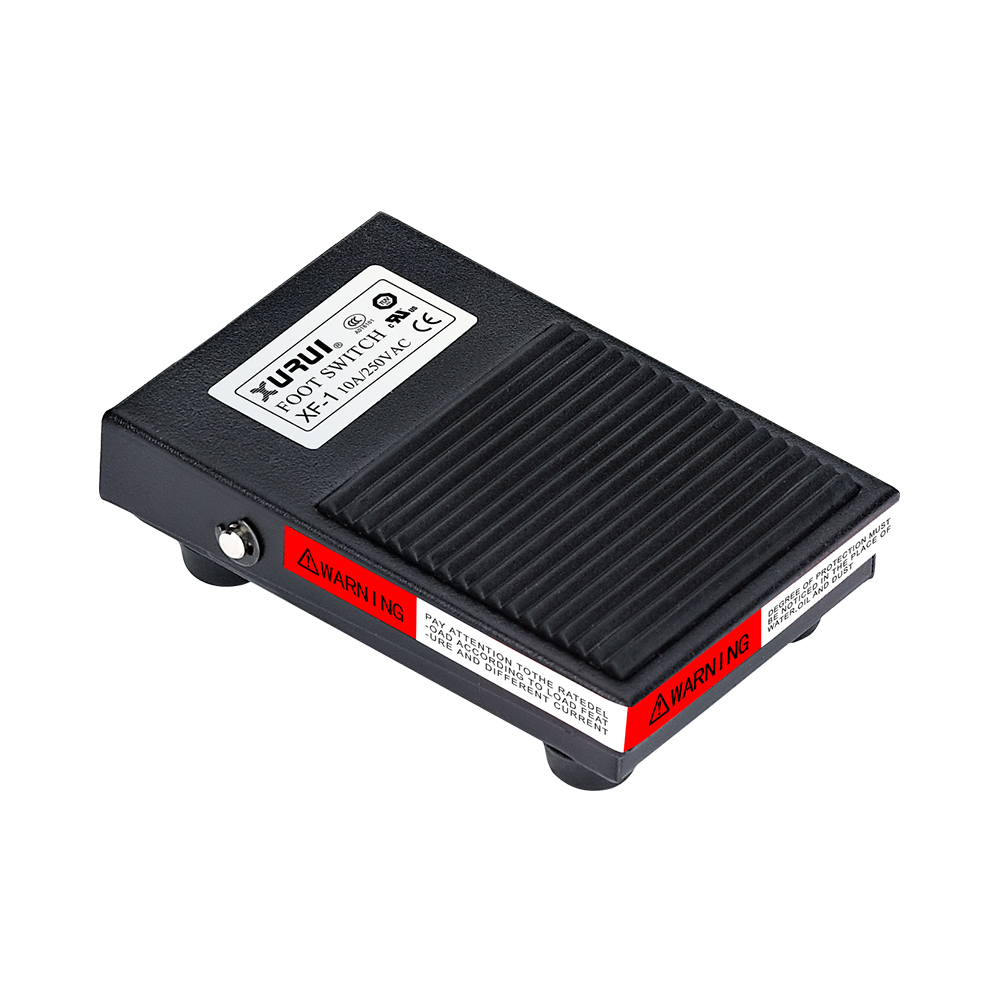
Certified vs Non-Certified Industrial Foot Switches
| Aspect | Certified Foot Switch | Non-Certified Foot Switch |
| Safety verification | Third-party tested | Self-declared |
| Regulatory acceptance | Widely accepted | Often restricted |
| Audit readiness | High | Low |
| Liability risk | Reduced | Increased |
| Suitable for industrial systems | Yes | Risky |
When Certifications Are Non-Negotiable
Certifications are especially critical when foot switches are used in:
- Industrial machinery control
- Automation and production lines
- CNC and metalworking equipment
- Environments subject to safety audits
- Export-oriented or multinational projects
In these scenarios, uncertified foot switches introduce unnecessary operational and legal risk.
Final Thoughts
Certifications are not about branding or pricing. They are about risk control, safety assurance, and regulatory confidence.
For industrial foot switches, certifications provide clear, third-party validation that the product meets recognized safety and performance standards. Choosing certified foot switches is a practical decision that protects operators, supports compliance, and reduces long-term operational risk.
XURUI Engineering Team