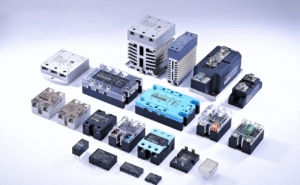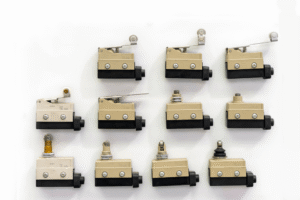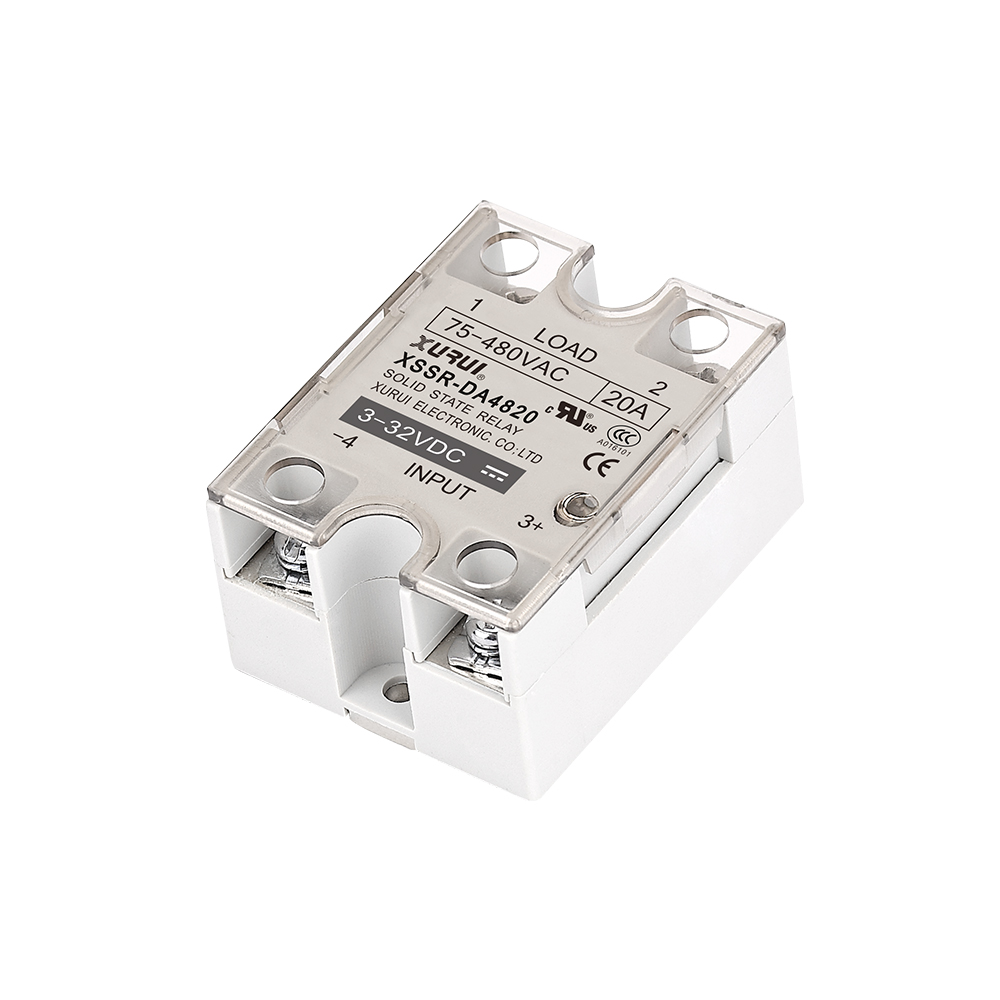

Choosing between solid state relays (SSRs) and electromechanical relays (EMRs) can be challenging, especially when performance, reliability, and cost are all priorities. This guide compares both relay types, explaining how they work, where each performs best, and what to consider when selecting the right option for your application.
How Each Relay Works And Why It Matters
Solid State Relay Operation and Real-World Behavior
Solid-state relays operate using semiconductors — such as triacs, MOSFETs, or SCRs — to perform switching electronically, rather than through physical motion.
Key practical takeaways:
- No moving parts means there is no mechanical wear. This is why SSRs are so reliable in high-frequency switching environments.
- Silent operation makes SSRs ideal for noise-sensitive equipment rooms, medical devices, and residential automation.
- Heat concentration in semiconductor junctions means thermal management is essential. Without proper heat sinking, an SSR can degrade quickly.
- Excellent for resistive loads, such as heating elements, lamps, and purely resistive power circuits.
- Usable for inductive loads only when correctly rated — sudden voltage spikes and inductive kickback can damage semiconductor-based relays if not protected.
Electromechanical Relay Operation and Real-World Behavior
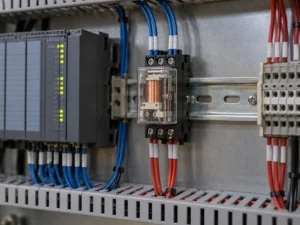
Electromechanical relays switch circuits using a coil and a mechanical armature that physically opens or closes contacts.
Key practical takeaways:
- EMRs handle high inrush currents extremely well, making them ideal for motors, transformers, and circuits with high solenoid loads.
- Contacts can wear out over time, but EMRs remain easy to inspect, diagnose, and replace — a significant benefit for maintenance-intensive facilities.
- Switching is audible, but this is rarely a problem in industrial or equipment-room environments.
- EMRs generate less continuous heat, since most heat comes from the coil rather than semiconductor losses.
Core Differences That Influence Your Choice
Electrical Performance and Load Handling
- SSRs are superior for linear, resistive loads and high-speed switching tasks.
- EMRs provide reliable performance for inductive loads with fluctuating current.
Switching Speed and Duty Cycle Needs
- SSRs switch within microseconds to milliseconds, enabling PWM control, temperature regulation, and high-cycle automation.
- EMRs switch more slowly, but the speed is perfectly adequate for general on/off control.
Expected Lifecycle and Maintenance
- SSR lifecycle: extremely long, often exceeding millions of cycles, but semiconductor devices can fail short if overloaded.
- EMR lifecycle: limited by mechanical wear, but predictable and cost-effective to replace.
Heat and Cooling Requirements
- SSRs must be paired with heat sinks, proper mounting plates, or even forced-air cooling in higher current applications.
- EMRs require minimal cooling, making them easier to integrate in small or closed enclosures.
Noise, EMI, and Environmental Factors
- SSRs produce no acoustic noise, although they can introduce electrical noise.
- EMRs make a clicking sound, but usually less susceptible to semiconductor switching spikes.
Cost, Value, and Total Ownership
- SSRs cost more upfront, but reduce long-term maintenance costs and provide better lifecycle value for frequent switching.
- EMRs cost less upfront, making them attractive for large-scale procurement where switching frequency is low.
Where Each Relay Performs Best
When Solid State Relays Are the Better Choice
SSRs are highly advantageous in:
- High-speed switching situations
- Systems requiring precise control
- Equipment where silent operation is required
- Applications expecting millions of switching cycles
- Temperature-controlled systems such as heater banks
- Lighting dimming or LED brightness control (with compatible SSR types)
Actionable tip:
Before selecting an SSR, always reference the manufacturer’s derating curves. Even moderate temperature increases inside sealed enclosures can significantly reduce SSR current capacity.
When Electromechanical Relays Are the Better Choice
EMRs remain the ideal choice for:
- Motor control and inductive loads with high startup current
- HVAC compressors and refrigeration systems
- Transformers, solenoid valves, and pumps
- Low-frequency switching conditions
- Situations where surge protection and overload tolerance are critical
Actionable tip:
Integrate coil suppression (diodes for DC coils, RC snubbers for AC coils) to extend EMR life and reduce interference.
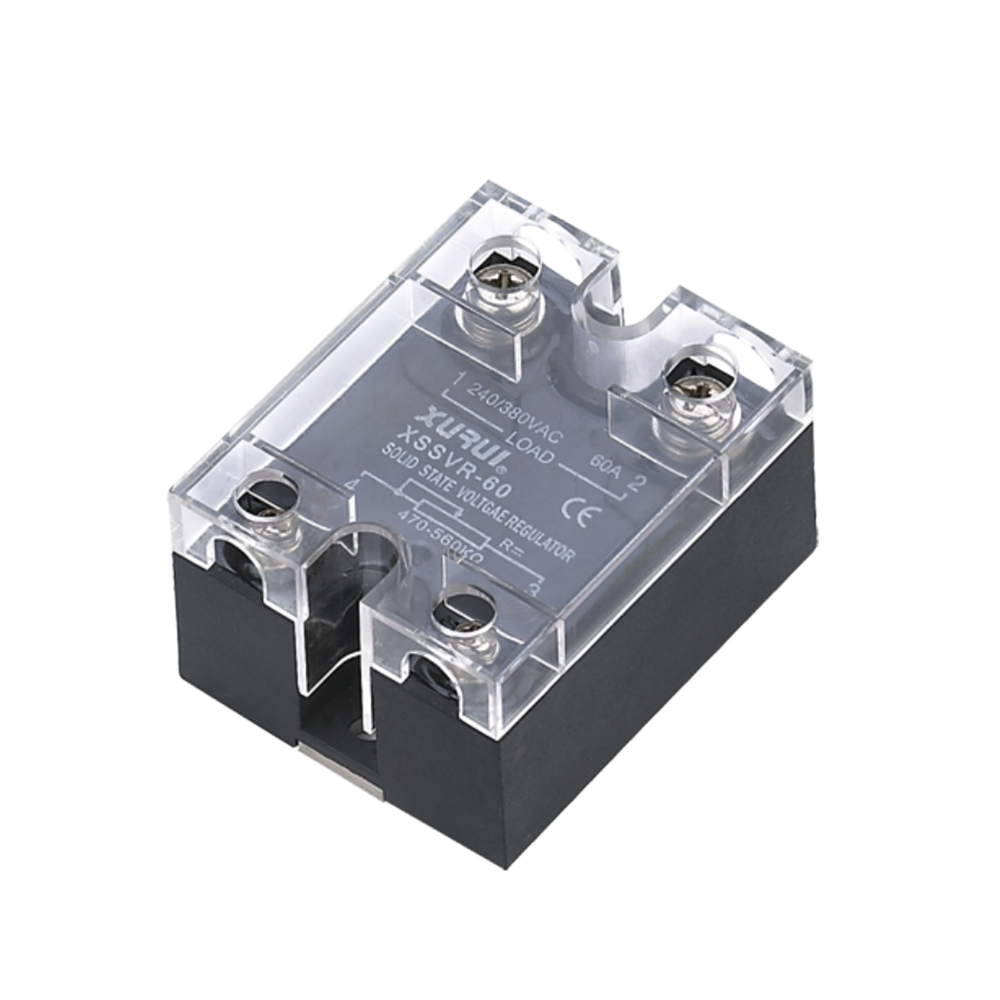
When a Hybrid Approach Makes More Sense
Some applications benefit from combining both relay types:
- Use SSR for fast or repetitive switching
- Use EMR for the main circuit isolation or fault protection
This hybrid configuration boosts reliability, enhances surge capability, and minimizes wear on mechanical contacts.
Installation and Protection Best Practices
Improving SSR Reliability Through Effective Thermal Management
To maximize SSR service life:
- Use a correctly sized heat sink, matched to load current and ambient temperature.
- Apply thermal grease to ensure optimal heat transfer.
- Provide ventilation or forced cooling for high-current loads.
- Protect the SSR with appropriately rated fuses or circuit breakers designed for semiconductor devices.
- Avoid installing SSRs near heat sources inside the control cabinet.
Enhancing EMR Lifespan Through Contact and Coil Protection
To keep EMRs running safely and efficiently:
- Install RC snubbers, MOVs, or other suppression devices across inductive loads.
- Choose contact materials suited for your application, such as AgSnO₂ for high inrush circuits.
- Inspect and clean contact surfaces regularly in dusty or high-load environments.
- Maintain coil voltage within tolerance to avoid overheating and chatter.
- Replace the relay promptly if excessive arcing or pitting is observed.
Related Reading: Do solid state relays need a heatsink?
Practical Use Cases Across Industries
Industrial Automation
- SSRs excel in heater banks, automated packaging lines, and robotic machinery due to their rapid response and long life.
- EMRs are preferred for conveyors, lifting systems, and solenoid-actuated devices where surge currents are unpredictable.
Building HVAC Systems
- EMRs are typically more appropriate for compressor motors and fan systems due to their robustness.
- SSRs are ideal for silent, efficient switching of heating elements and zone temperature control.
LED and Lighting Control
- SSRs enable smooth, flicker-free dimming when matched with compatible drivers.
- EMRs perform better with large LED drivers or lighting systems with heavy inrush loads.
Related Reading: What is the difference between a normal relay and a solid state relay?
Final Thoughts
Both solid state relays and electromechanical relays can perform well when used in the right conditions. SSRs offer fast, silent, long-life switching, while EMRs provide strong surge tolerance and reliable performance with inductive loads. By considering your load type, switching frequency, noise needs, and maintenance expectations, you can choose the relay that fits your application and ensures stable, efficient operation.