
Wondering whether to use a normal relay or a solid state relay? Both control electrical circuits—but in very different ways. This article breaks down how they work, where each fits best, and which one is right for your project. We’ll keep it simple, with a quick comparison table, real-world tips, and a clear decision guide.
Quick Comparison Table: Normal Relay vs Solid State Relay
| Feature | Normal Relay | Solid State Relay |
| Switching Mechanism | Mechanical contacts | Semiconductor (no moving parts) |
| Switching Speed | Slower (5–15ms) | Faster (microseconds) |
| Durability / Lifespan | Shorter (wear over time) | Longer (no wear) |
| Electrical Noise | May generate arcs & EMI | Quiet and low-noise |
| Load Type Support | AC & DC | Specific models for AC or DC |
| Heat Management | Minimal | Often needs a heat sink |
| Cost | Lower upfront | Higher upfront, lower maintenance |
| Applications | General purpose, low-cycle tasks | High-speed switching, industrial use |
Understanding How Each Relay Works
Mechanical Design And Operation
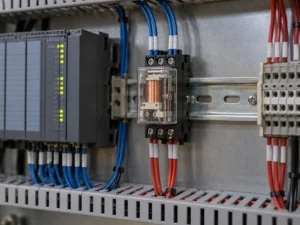
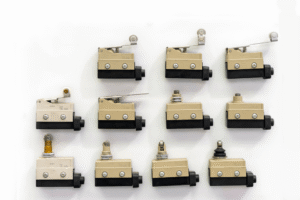
Normal (electromechanical) relays work through physical movement. When the coil is energized, it creates a magnetic field that pulls a metal contact into position to open or close a circuit. This physical switching action produces clicking sounds and may wear out over time due to friction and arcing.
When to Consider a Mechanical Relay
- You need a cost-effective solution for low switching frequency.
- You want a visible and audible click for confirmation.
- You work in low-heat or non-critical environments.
Tip: For simple control circuits or switching infrequently used devices, a normal relay often gets the job done with minimal investment.
Semiconductor Switching in SSRs
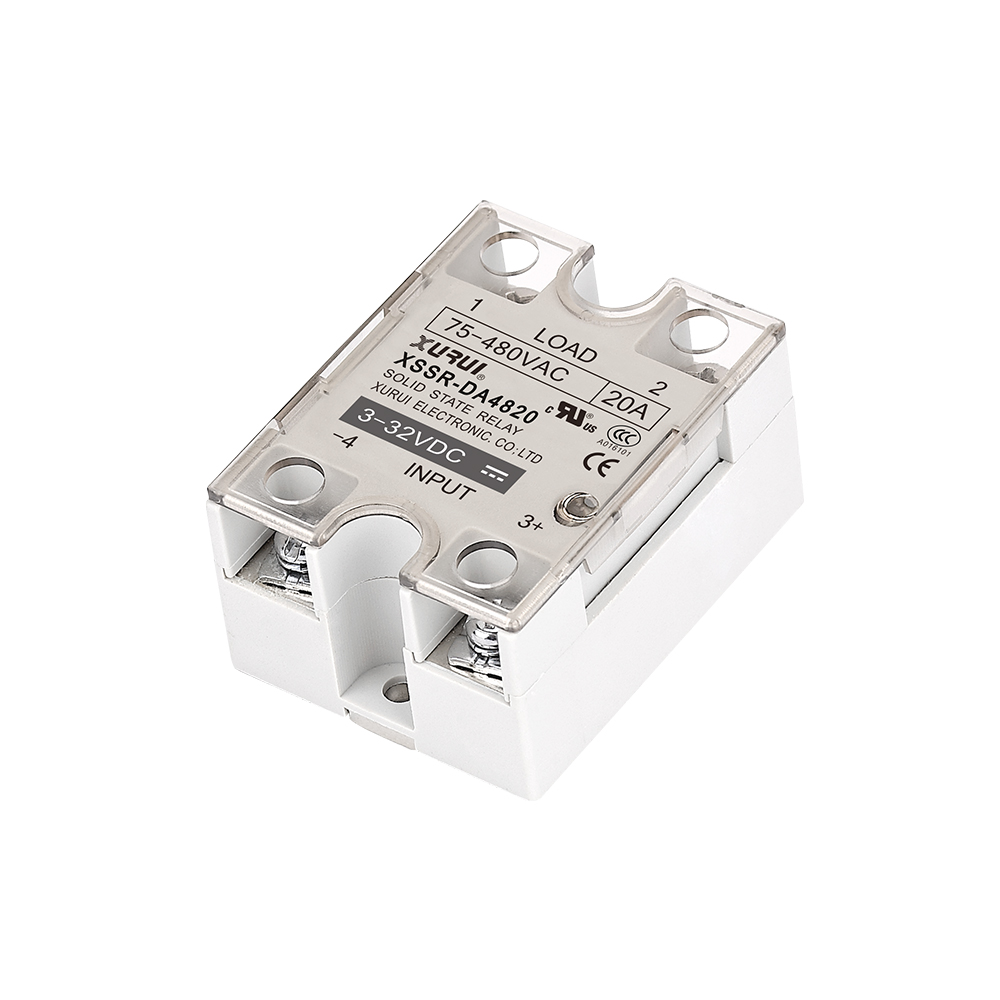
Solid state relays rely on semiconductor components like triacs, thyristors, or MOSFETs to switch on and off without any moving parts. This means they operate silently, much faster, and with less wear than mechanical relays.
When to Consider a Solid State Relay
- You’re switching loads frequently or rapidly (e.g., heaters, motors).
- You want a long-lasting, silent solution with no contact bounce.
- You’re working in an industrial or automation setting.
Pro Tip: SSRs are ideal in environments with vibration, dust, or humidity — where mechanical relays may fail quickly.
Performance and Durability Considerations
Switching Speed and Response Time
Solid state relays switch almost instantaneously — in microseconds — while mechanical relays take several milliseconds. For high-speed applications like motor drives or PLC-controlled systems, SSRs provide smoother, faster performance.
Lifespan and Maintenance
Normal relays wear down due to arcing and contact erosion, especially in high-load or high-cycle environments. Solid state relays, by contrast, offer millions of operations without physical degradation.
Checklist: Is Your Environment Demanding?
- Frequent switching required
- Harsh physical conditions (dust, vibration, moisture)
- Need low maintenance and long lifespan
If you tick two or more boxes, an SSR is likely your best bet.
Heat Management and Installation Tips
Heat Dissipation Needs
Because SSRs use semiconductor components, they generate more heat and often require external heat sinks. Mechanical relays typically do not — making them simpler to install in small enclosures.
Tip: Always check the derating curve on the SSR datasheet to ensure thermal stability.
Wiring and Mounting Differences
- Normal relays may come in socketed or PCB mount formats.
- SSRs often use DIN rail or panel mounts and may need insulated backplates.
Related Reading: Do Solid State Relays Work with DC?
Cost vs Long-Term Value
While solid state relays tend to cost more upfront, they may offer better value over time due to:
- Less frequent replacement
- Fewer failures
- Reduced maintenance
Still, for budget-limited or low-use projects, normal relays remain the economical choice.
Application Scenarios: Which Should You Choose?
Choosing between a normal relay and a solid state relay often comes down to the nature of your project. Let’s look at some common real-world scenarios:
If you’re working on Arduino or Raspberry Pi projects, a normal relay (or a relay module) is usually sufficient. These projects typically involve low-frequency switching and don’t demand the speed or durability of a solid state relay.
In industrial automation systems, solid state relays are the preferred choice. They offer high-speed switching, longer life, and better resistance to vibration and harsh environments—ideal for 24/7 operational demands.
For HVAC control systems, solid state relays again take the lead. Their silent operation and ability to handle frequent on/off cycles without mechanical wear make them well-suited for temperature and airflow regulation.
When it comes to car accessories—like fog lights, horns, or power windows—normal relays are often used. They’re inexpensive, reliable for moderate use, and easy to replace if needed.
If your application involves continuous or high-frequency switching, such as in 3D printers or heating control systems, solid state relays are highly recommended. Their fast response and lack of moving parts help maintain system stability and reduce wear.
Finally, for limited-budget projects or basic DIY electronics, normal relays remain a smart choice. They’re cost-effective and work well for simple on/off control where switching speed or noise isn’t a concern.
Frequently Asked Questions
1. Can I use a solid state relay in place of a mechanical relay?
Yes, but check compatibility — especially voltage type (AC/DC) and load type. SSRs may need a heat sink and have different mounting styles.
2. Do solid state relays wear out?
Not in the traditional sense. While SSRs have a much longer operational life, excessive heat can degrade their internal components over time.
3. Why does my solid state relay get hot?
SSRs dissipate energy as heat due to their semiconductor nature. Always ensure proper heat sinking or derating to avoid overheating.
4. Are mechanical relays better for inductive loads?
Yes, they handle inductive loads (like motors) better than some SSRs, which can be sensitive to voltage spikes unless designed specifically for it.
5. Which type of relay is better for high-frequency switching?
Solid state relays are ideal here. They respond much faster and don’t suffer from contact bounce.
Conclusion:
Normal relays are affordable and great for basic tasks. Solid state relays offer speed, silence, and long life for demanding setups. Choosing the right one depends on your load type, switching frequency, and environment. Use this guide to make a confident, informed decision.
XURUI Engineering Team