
If you’ve ever looked inside an electrical system and seen a relay, you might wonder — is it a switch or a breaker? The confusion is understandable. After all, relays, switches, and breakers all seem to “turn things on and off.”
However, while they share a similar purpose, they work in very different ways. Understanding those differences helps you choose the right device for safety, control, and performance in your setup.
In this guide, we’ll break down what a relay really does, how it differs from a switch and a breaker, and how to decide which one is right for your application.
Understanding What a Relay Really Does
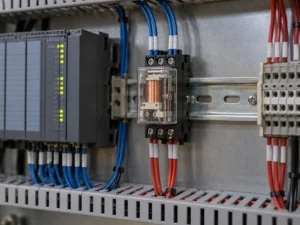
A relay is essentially an electrically operated switch. It uses a small electrical current to control a much larger one. Inside, an electromagnetic coil generates a magnetic field when energized, pulling contacts together to complete the circuit. When the signal stops, the field collapses, and the contacts open again.
This design allows a low-voltage control signal—for example, from a car dashboard or control board—to safely manage high-power loads such as motors, lighting systems, or pumps without manual intervention.
You’ll find relays in many everyday systems: in cars controlling headlights, wipers, and fuel pumps; in smart homes managing lighting, security, or HVAC systems; and in industrial settings handling machine sequences and safety operations.
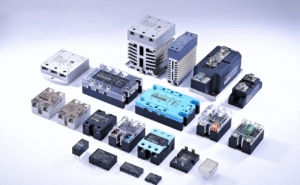
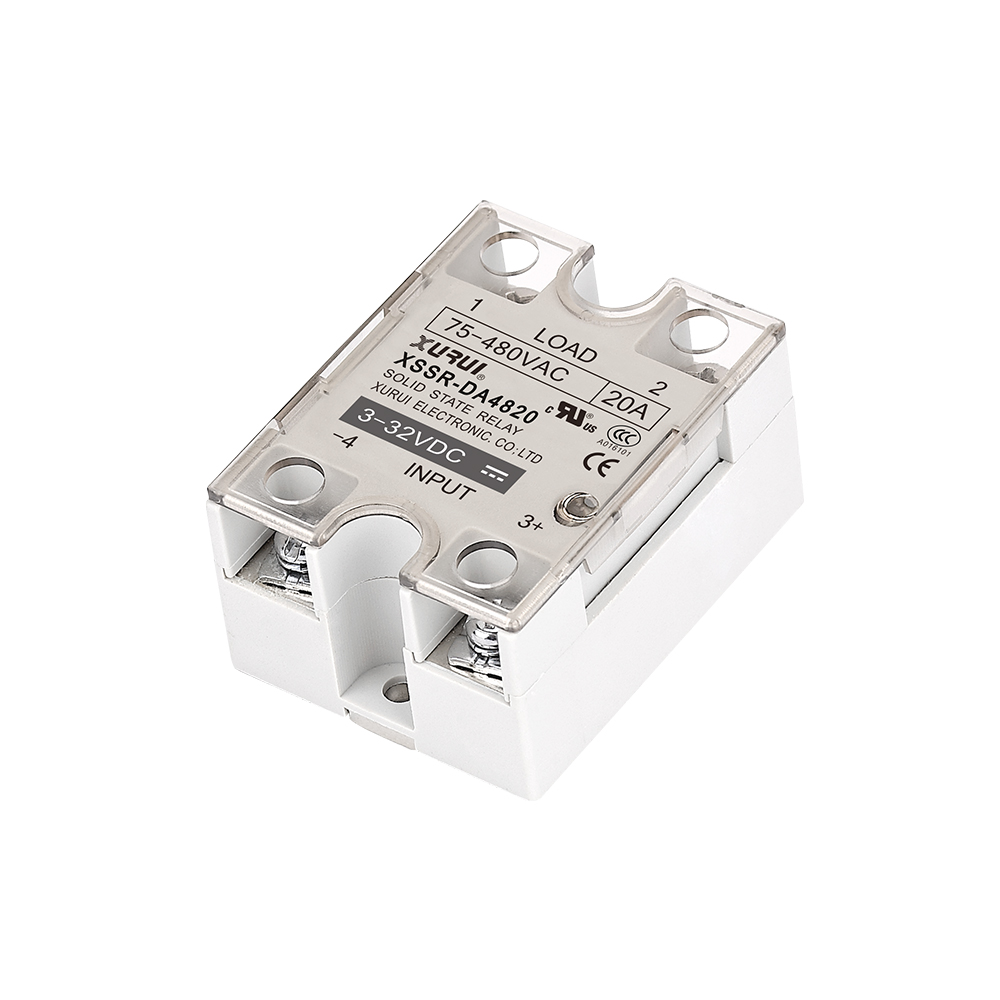
In short, relays are the core of automation and remote operation. If you’re looking for more durable options for automated systems, consider using a solid relay switch, which combines reliable performance with long-lasting electrical control. But remember, relays are not built for overload protection—that’s where breakers come in.
How a Relay Differs from a Switch
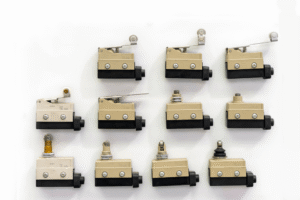
A switch is the most straightforward electrical control device. When you flip it, you open or close a circuit manually. There’s no coil, no automation, and no remote control—just direct human action.
While simple and reliable, switches are limited to low-current applications such as lamps, fans, or small appliances. They require physical access, and frequent use can wear them out faster.
By contrast, a relay operates electrically rather than manually. Advanced versions, such as the solid relay switch, use solid-state technology to achieve faster response times and longer service life. They can be controlled remotely or automatically, allowing you to activate high-power devices with low-power signals.
If your goal is to automate control or manage power from a distance, a relay is the clear choice. If all you need is a simple on/off operation within reach, a manual switch is the more economical and straightforward solution.
How a Relay Differs from a Breaker
A circuit breaker serves a completely different purpose—it’s a safety protector. It automatically cuts off electricity when it detects an overload or short circuit, preventing damage to wiring and equipment and reducing fire risk.
Unlike a relay, a breaker doesn’t wait for an external command. It reacts automatically to fault conditions. Once the problem is fixed, it can be reset manually or, in some cases, automatically to restore power.
A relay, on the other hand, responds only to control signals. It turns circuits on and off based on electrical commands but cannot detect or interrupt faults.
If you’re designing a control circuit that needs logic or automation, use a relay. If your goal is to ensure electrical safety and fault protection, use a breaker. In most well-designed systems, both work together—the relay handles control, while the breaker safeguards the circuit.
Choosing Between a Relay, Switch, and Breaker
Selecting the right component depends on your needs and operating environment.
Step 1: Define your goal.
If you need automation or remote control, choose a relay.
If you want simple manual operation, use a switch.
If safety and overload protection are your priorities, a breaker is the right tool.
Step 2: Match voltage and current ratings.
Always check the current and voltage capacity of each component. A relay might control a 10-amp circuit using only a 12-volt signal, while a breaker must handle the full load directly. Using the wrong rating can cause overheating or equipment failure.
Step 3: Consider usage frequency and environment.
If your circuit needs to switch on and off frequently, a relay is more durable and efficient.
If you only need occasional manual control, a switch is simpler.
For industrial or safety-critical environments, breakers offer the necessary protection and reliability.
Related Reading: Difference Between Solid State Relay and Ordinary Relay
Practical Examples
These three components often work together in real-world setups:
- In a car headlight system, the relay lets the dashboard switch activate the headlights without sending heavy current through the switch itself.
- In a household circuit, the breaker automatically trips when too many devices overload the outlet, cutting power to prevent damage.
- In a lamp or fan, a switch provides easy manual control for daily use.
Each plays a distinct role, relays control, switches command, and breakers protect.
FAQs
1. Can a relay replace a switch?
Yes, in many cases—but only if you need automation or remote control. A relay can perform the same function as a switch using an electrical signal instead of a manual toggle.
2. Is a relay safer than a switch?
Not necessarily. A relay adds convenience and electrical isolation but doesn’t provide overload or fault protection. You’ll still need a breaker for safety.
3. Can a relay act as a circuit breaker?
No. Relays control circuits; breakers protect them. They serve complementary roles and are often used together in complex systems.
4. Why use a relay instead of a breaker?
Use a relay when you need precise control or automation—such as turning on motors, managing lights, or controlling multiple circuits simultaneously. A breaker is designed only to interrupt dangerous current.
5. What happens if a relay fails?
If a relay sticks open, power won’t flow; if it sticks closed, current may continue when it shouldn’t. That’s why important circuits often use both a relay for control and a breaker for backup protection.
Final Thoughts
So, is a relay a switch or a breaker?
The answer is neither—it works alongside both. The relay provides smart, signal-based control; the switch offers simple manual access; and the breaker ensures safety by preventing damage from faults.
Understanding these roles will help you build, repair, or troubleshoot electrical systems with greater confidence and precision.
XURUI Engineering Team