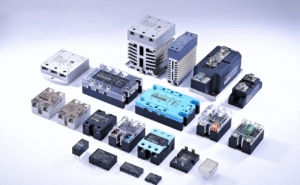

The answer is yes—many solid-state relays are specifically designed to work with DC voltage. Some SSRs can handle both AC and DC applications, making them versatile solutions for a wide range of projects.
In this guide, we’ll explore how SSRs work with DC, the challenges you might face when using them, and the best practices for ensuring reliable operation. You’ll learn about key issues such as overheating, incorrect wiring, and managing inductive loads, as well as practical solutions to avoid these pitfalls. We’ll also dive into how to select the right SSR for your DC application, from controlling motors to powering renewable energy systems.
What Are Solid-State Relays?
Understanding Solid-State Relays
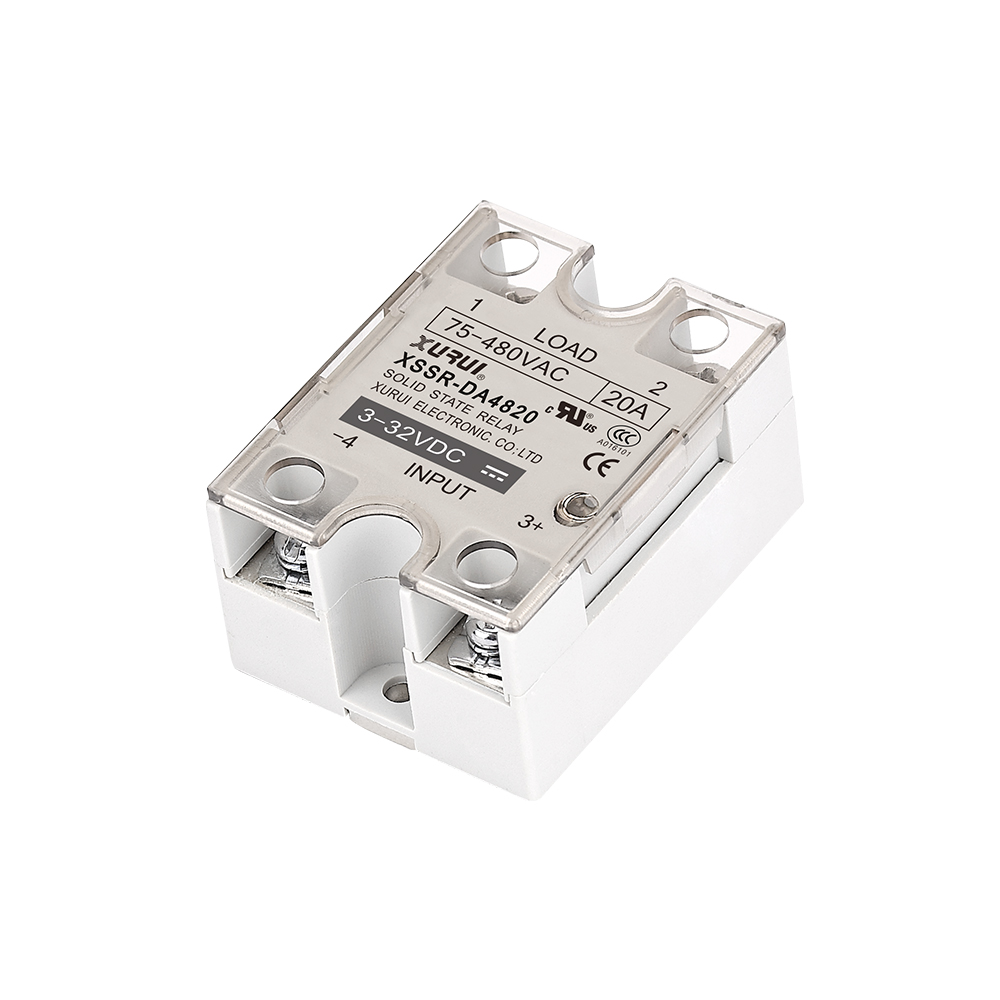
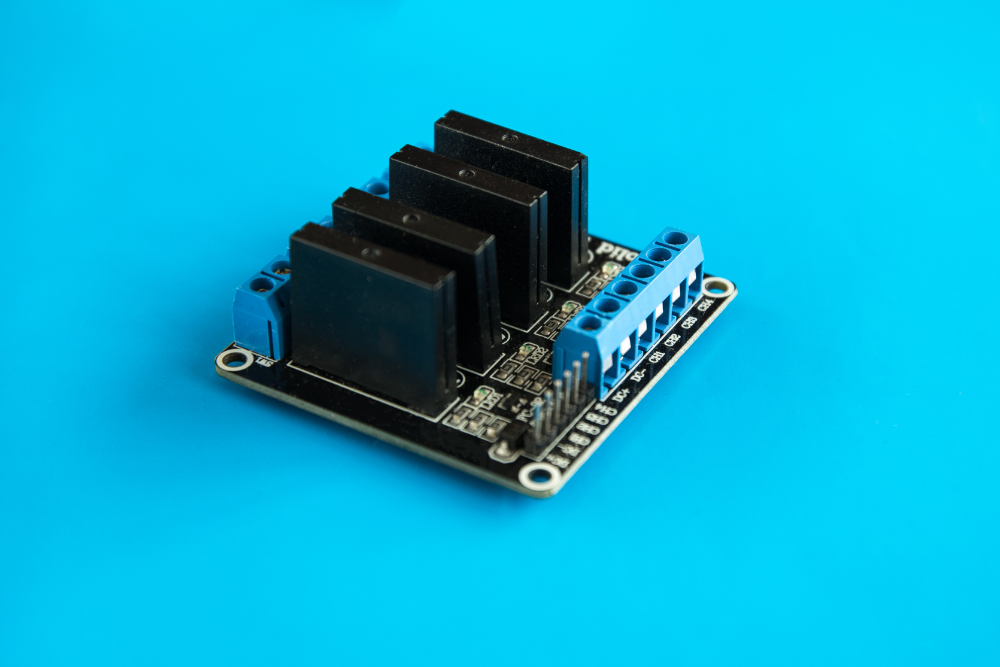
A solid-state relay is an electronic switch that uses semiconductors (like MOSFETs, IGBTs, or BJTs) to control the flow of electricity. Unlike mechanical relays, SSRs have no moving parts, making them more durable, quieter, and faster. They are commonly used to switch both AC and DC loads, but how well do they perform with DC circuits?
Can SSRs Be Used for DC Switching?
Yes, solid-state relays can work with DC circuits. However, there are specific considerations to keep in mind. AC SSRs are designed to work with alternating current, which naturally helps them turn off each cycle. In contrast, DC is continuous, so an SSR designed for DC needs to be able to handle that constant flow of power.
Related Reading: Difference Between Solid State Relay and Ordinary Relay
Common Challenges with SSRs in DC Circuits
1. Overheating and Insufficient Heat Dissipation
The Problem
When SSRs operate at high currents or in poorly ventilated areas, they can overheat, which may cause failure.
The Solution
To prevent overheating, ensure SSRs are mounted on heat sinks and placed in areas with good airflow. For high-power applications, SSRs with integrated heat sinks are a great choice. You can also use external cooling methods if needed. Proper heat management is essential for SSR longevity and efficiency.
2. Incorrect Wiring and Polarity Issues
The Problem
Incorrect wiring, such as reversing the load terminals or the control voltage, can cause SSRs to conduct continuously or fail to work.
The Solution
Always verify the wiring diagram and ensure proper polarity. Many SSRs have built-in diodes that help protect against incorrect connections. Double-check all connections to prevent potential damage.
3. Inductive Load Switching
The Problem
Inductive loads, like motors and solenoids, can generate voltage spikes (back EMF) when switched off, potentially damaging SSRs.
The Solution
Install a flyback diode (e.g., 1N5408) across the load to absorb these voltage spikes and protect the SSR. For high-current applications, select diodes that can handle the higher surge. This protection is crucial for preventing SSR failure.
4. Inrush Currents
The Problem
Certain devices, such as lamps and transformers, may draw an inrush current much higher than their rated current, which could damage SSRs.
The Solution
Use SSRs rated for higher inrush currents or add inrush current limiters to your circuit. This ensures that SSRs can safely handle the initial surge without damage, prolonging their lifespan.
5. Control Signal Compatibility
The Problem
Some SSRs require a minimum control voltage or current to activate, which may not always match the output of your controller.
The Solution
Ensure that the control signal meets the SSR’s input requirements. For low-voltage controllers, choose SSRs designed to accept low-voltage inputs, ensuring reliable activation and operation.
6. Electrical Noise and EMI
The Problem
Electromagnetic interference (EMI) from nearby equipment can disrupt SSR operation.
The Solution
To reduce the effects of EMI, use shielded cables, proper grounding, and optical isolation in your control circuit. These measures help prevent unwanted interference and ensure stable SSR performance.
Best Practices for DC SSR Integration
1. Select the Right SSR for DC
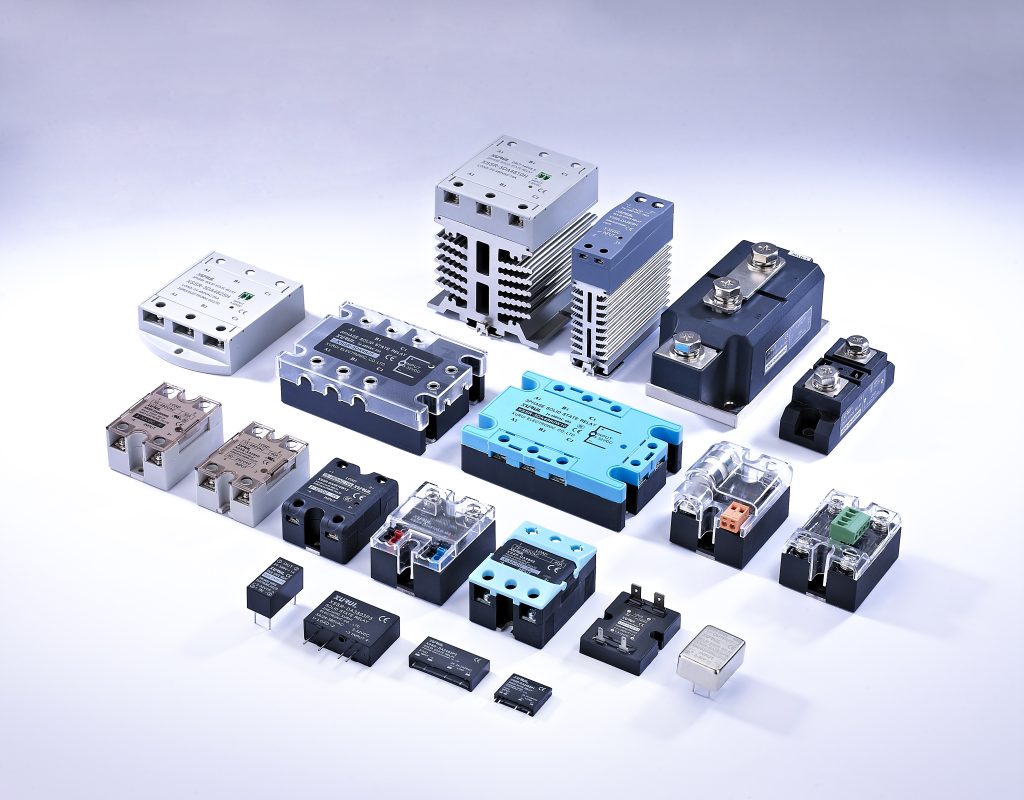
When using SSRs in DC applications, ensure that you choose a relay specifically designed for DC loads. AC SSRs will not perform well in DC circuits and may remain on continuously. Look for SSRs that use MOSFETs, IGBTs, or BJTs for reliable and efficient DC switching. As a trusted Solid State Relay Supplier, Xurui Switch offers a variety of SSRs designed for both AC and DC applications. Their high-quality relays are perfect for applications ranging from automation to renewable energy systems. Browse their selection to find the right solid-state relay for your needs.
Related Reading: Is a solid state relay right for you?
2. Verify Voltage Ratings
Always check that the SSR’s voltage rating meets or exceeds the operating voltage of your DC circuit. Using an undersized SSR could lead to failure.
3. Use Appropriate Diodes for Inductive Loads
For inductive loads, use a diode (such as 1N5408) across the load to protect the SSR from voltage spikes. Ensure the diode is rated to handle the peak current and reverse voltage to provide proper protection.
4. Implement Heat Management
To avoid overheating, use heat sinks or other cooling methods, especially for high-power SSRs. Place SSRs in well-ventilated areas to further enhance heat dissipation and maintain optimal performance.
5. Ensure Proper Grounding
Correctly connect the control and load grounds to avoid floating grounds that could cause erratic SSR behavior. Proper grounding ensures stable operation.
6. Filter Control Signals
Control signals can sometimes be noisy, leading to false triggering of the SSR. Use capacitors or other filtering components to clean up these signals and prevent erratic operation.
Troubleshooting SSRs in DC Circuits
1. Check Input Voltage
Verify that the control voltage falls within the SSR’s specified range using a multimeter. If the voltage is too high or too low, the SSR may not operate as expected.
2. Inspect Output Behavior
After activating the SSR, monitor the load to ensure it responds as expected. If the load doesn’t behave properly, the SSR may be malfunctioning.
3. Examine for Overheating
Check the SSR’s casing to ensure it isn’t too hot to touch. Overheating is a sign that the SSR may be overloaded or insufficiently cooled.
4. Review Wiring Connections
Ensure that all wiring is secure and correct. Loose or faulty connections can prevent the SSR from functioning properly or cause damage.
5. Test with Known Good Components
If troubleshooting doesn’t solve the issue, replace the SSR with a known functional unit to see if the problem lies with the SSR itself.
Frequently Asked Questions
Can SSRs Be Used for Both AC and DC?
No, SSRs are generally designed for either AC or DC applications. AC SSRs will not work well in DC circuits because they rely on the alternating current to turn off. Always use SSRs specifically rated for DC applications.
How Do I Protect My SSR from Voltage Spikes?
To protect SSRs from voltage spikes caused by inductive loads, install a flyback diode across the load. This will absorb the back EMF and protect the SSR from damage.
How Can I Manage Heat Dissipation for SSRs?
For efficient heat dissipation, use heat sinks and place SSRs in areas with good ventilation. For high-power applications, ensure that the SSR has integrated cooling features or use external cooling solutions as needed.
In Conclusion
By following the best practices and troubleshooting tips provided in this article, you can successfully integrate SSRs into your DC-powered systems and enjoy their long-lasting benefits. If you have any questions or want to share your own experiences with SSRs in DC circuits, feel free to leave a comment below. Don’t forget to share this article with others who might benefit from it! Let’s continue the conversation and make DC applications even more efficient.