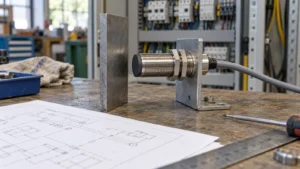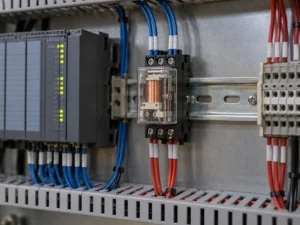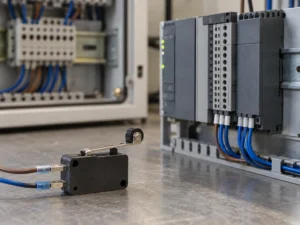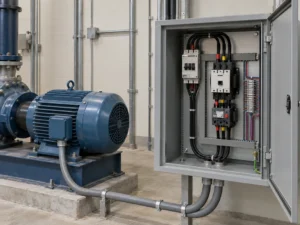

When it comes to Solid State Relay vs. Mechanical Relay, the better choice depends entirely on your application. If you need high-speed switching, silent operation, long life, and reliability in tough or sensitive environments, a Solid State Relay (SSR) is often the smarter option. But if budget is a bigger concern, or you’re working with heavy loads like motors or heating elements where occasional noise and slower switching don’t matter, a Mechanical Relay (EMR) may be the more practical solution.
In this article, we’ll break down the key differences between SSRs and EMRs, including performance, reliability, safety, cost, and suitability for different load types. You’ll also find solutions to common relay problems, real-world application guidance, and step-by-step tips to help you make the right decision. By the end, you’ll know exactly which relay type best fits your needs — and how to avoid costly mistakes when choosing.
Quick Comparison Table
| Feature | Solid State Relay (SSR) | Mechanical Relay (EMR) | |
| Switching Speed | Microseconds (very fast) | Milliseconds (slower) | |
| Noise | Silent | Audible “click” | |
| Lifespan | Long (no moving parts) | Limited (contacts wear) | |
| Heat | Generates heat → needs heatsink | Minimal heat | |
| Failure Mode | Often fails shorted (circuit stays on) | Often fails open (circuit turns off) | |
| Cost | Higher upfront cost | Lower upfront cost | |
| Best For | High-frequency, quiet environments, resistive loads | Inductive loads, low-frequency, budget-sensitive projects |
Understanding The Basics
What Is A Mechanical Relay?
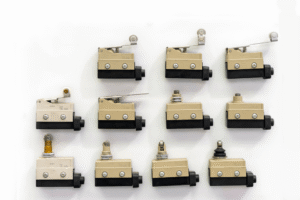
A mechanical relay uses a coil and moving contacts to switch circuits. They’re inexpensive, rugged, and easy to troubleshoot. You’ll usually hear a “click” when they operate. Common uses: motors, HVAC systems, and other low-frequency applications.
What Is A Solid State Relay?
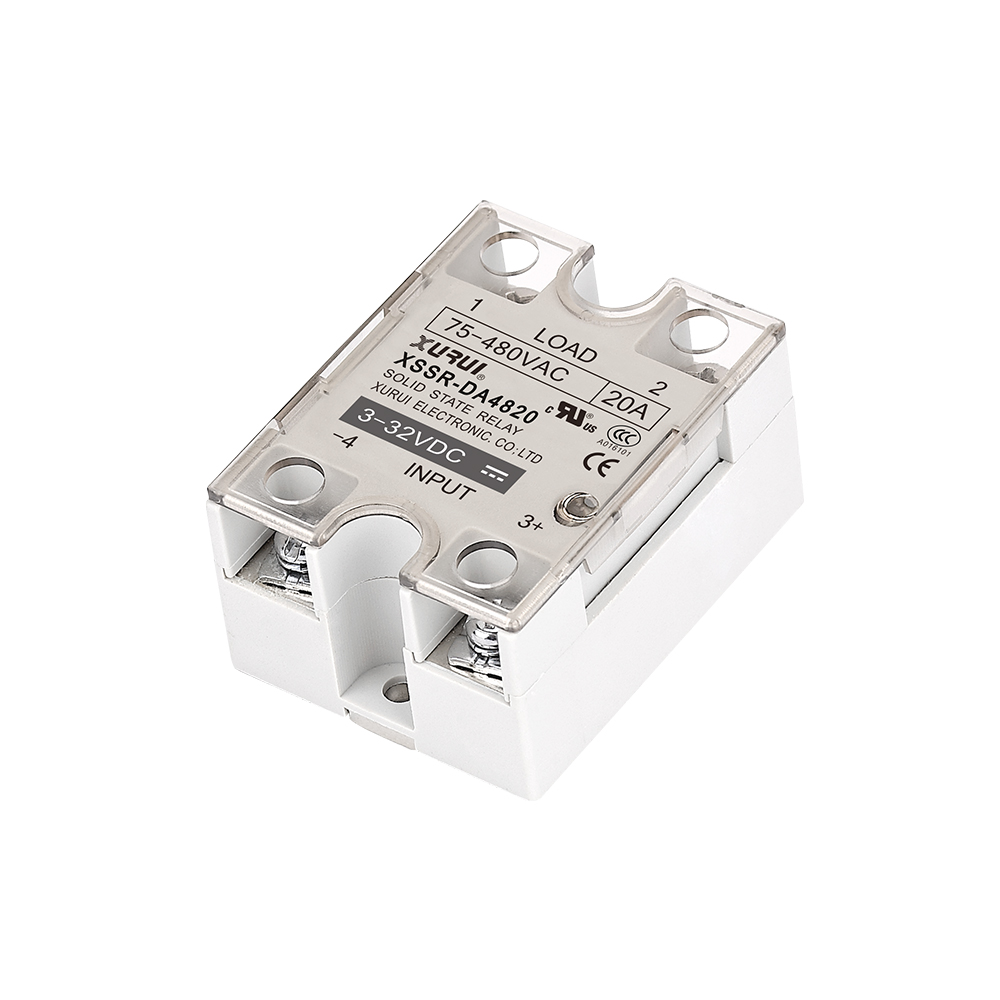
A solid state relay has no moving parts. Instead, it uses semiconductors to switch silently and quickly. SSRs are durable and ideal for high-frequency or noise-sensitive environments like medical devices or automated test equipment.
Key Differences Between Solid State And Mechanical Relays
Switching Speed And Frequency
- SSRs: Switch in microseconds → best for automation, robotics, and testing.
- EMRs: Switch in milliseconds → good for occasional on/off loads.
Noise And Vibration
- EMRs: Audible click, fine in factories but distracting in quiet areas.
- SSRs: Silent, preferred for offices, hospitals, or labs.
Reliability And Lifespan
- EMRs: Wear out due to arcing and contact bounce.
- SSRs: Longer life but generate heat.
Tip: In hot, dusty, or humid environments, add protective enclosures or ventilation regardless of type.
Heat And Power Management
- SSRs: Generate heat → may need heatsinks or fans.
- EMRs: No extra cooling needed but contacts degrade.
Action Step: If choosing SSRs, plan thermal management from the start.
Failure Modes And Safety
- SSRs: Fail shorted (circuit stays on).
- EMRs: Fail open (circuit shuts off).
Advice: For safety-critical systems, pair SSRs with backup EMRs to balance performance and fail-safe operation.
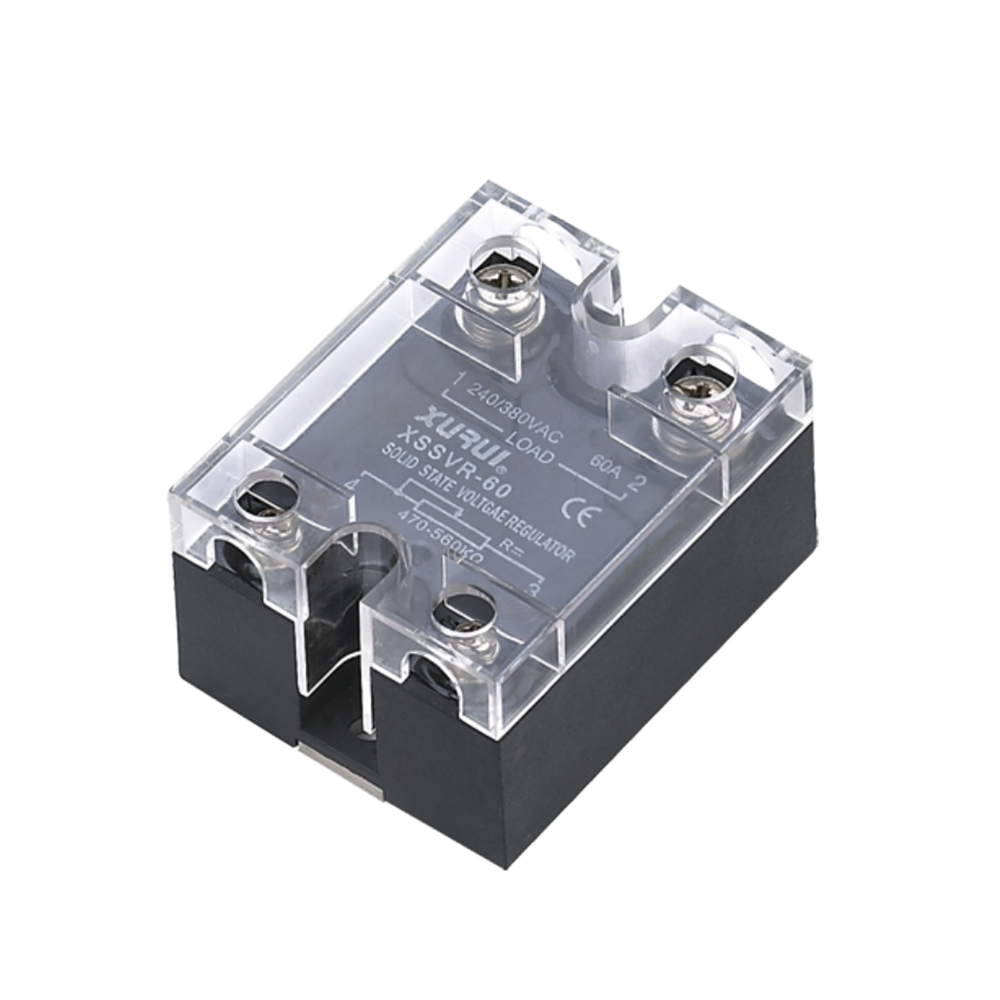
Related Reading:Difference Between Solid State Relay and Ordinary Relay
Application-Specific Guidance
For Resistive Loads (Heaters, Lamps, LEDs)
SSRs are the better fit: fast, silent, and wear-resistant.
For Inductive Loads (Motors, Solenoids, Transformers)
EMRs handle inrush currents better. SSRs can work with snubber circuits or MOV protection.
For High-Frequency Switching
SSRs are ideal for rapid cycling in automation or robotics.
For Cost-Sensitive Or Low-Switching Projects
EMRs are more affordable and effective for occasional use.
Considering Compliance And Regulations
Check UL, CE, or IEC certifications. Some industries (medical, aerospace) require specific relay types.
Common Problems And How To Solve Them
Overheating In SSRs
- Add heatsinks or fans.
- Provide cabinet airflow.
- Derate current capacity.
Contact Wear In EMRs
- Use arc suppression circuits.
- Replace periodically.
- Always oversize 2–3× for load current.
Leakage Current In SSRs
- Even when “off,” SSRs leak small current.
- Solution: add bleed resistors.
EMI And Sensitive Equipment
- SSRs can create interference for sensors/PLCs.
- Solution: EMI filters, shielded wiring, proper grounding.
Cost Vs. Long-Term Value
Upfront vs Lifecycle Costs
- SSRs: higher purchase price, lower maintenance.
- EMRs: cheaper upfront, but frequent replacements needed.
Cost Of Downtime Vs Component Cost
In industrial plants, downtime losses far exceed relay costs. Investing in SSRs may reduce overall expenses.
Practical Design Considerations
Space And Integration
- SSRs are compact but heatsinks increase footprint.
- EMRs are larger but easier to swap and inspect.
Hybrid Solutions (SSR + EMR)
Combine SSRs for fast switching and EMRs for safety cutoff. This hybrid design offers both reliability and safety.
Choosing A Reliable Solid State Relay Manufacturer
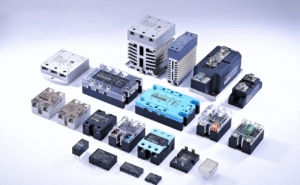
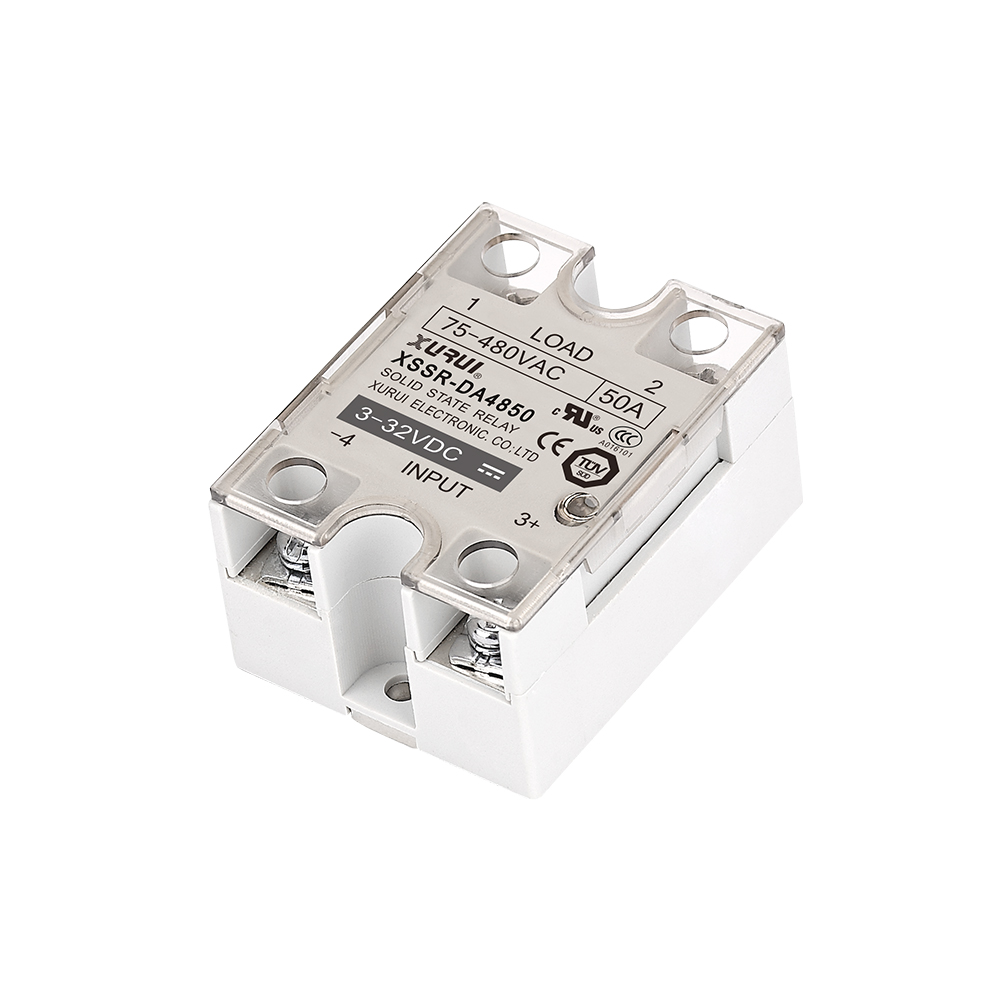
When sourcing high-quality SSRs for industrial or commercial projects, it’s essential to choose a trusted Solid State Relay Manufacturer. Xurui offers a complete range of single-phase and three-phase solid state relays, covering load currents from 10A up to 120A and voltage ratings from 24–480VAC. Their SSRs are built for durability, featuring low control power, fast response, and excellent resistance to shock and vibration, making them ideal for automation, heating, and motor control applications.
User Skill Level
- DIY or hobbyists: EMRs are easier to install and troubleshoot.
- Engineers and factories: SSRs suit automated, continuous duty.
Mistakes To Avoid When Choosing Relays
- Choosing only by cost without considering downtime.
- Ignoring inrush current requirements (common cause of early failure).
- Forgetting thermal management for SSRs.
- Overlooking certification and compliance needs.
- Not adding protective circuits (snubbers, EMI filters, arc suppression).
How To Choose The Right Relay Step By Step
- Identify your load type (resistive, inductive, or capacitive).
- Estimate switching frequency (high → SSR, low → EMR).
- Evaluate the environment (quiet, hot, dusty, humid).
- Consider failure mode (open vs short) and safety needs.
- Balance upfront cost with long-term value.
- Verify compliance requirements.
- Add protection: heatsinks, snubbers, EMI filters.
FAQs About Solid State And Mechanical Relays
Which Relay Lasts Longer?
SSRs usually last longer because they have no moving parts.
Can SSRs Handle Motors?
Yes, but they need snubbers or MOVs. EMRs are safer for inductive loads.
Do SSRs Always Need Heatsinks?
Only for medium-to-high current applications.
Which Relay Is Safer?
EMRs fail open (safer shutdown), SSRs fail short (riskier without protection).
Are SSRs Worth The Cost?
Yes for high-frequency, silent, or industrial setups. For budget-friendly, low-cycle applications, EMRs are fine.
How Can I Detect Relay Failure?
- SSR: needs monitoring/protection.
- EMR: visible wear, no clicking.
Can I Use Both SSR And EMR Together?
Yes, hybrid designs combine speed with fail-safe cutoff.
Related Reading:15 Solid State Relay Troubleshooting Tips to Solve Real Problems
Conclusion
There isn’t a single “better” relay for all cases. Solid state relays are best for high-frequency, silent, and long-life applications. Mechanical relays shine in cost-sensitive, inductive, and low-frequency uses. The key is to match the relay to your load type, environment, and safety requirements. By following the steps above, you can confidently choose the right solution for your application.
XURUI Engineering Team