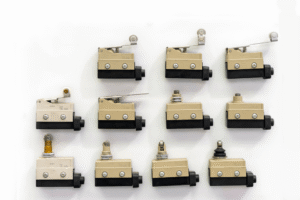

In the automotive world, the difference between a high-quality vehicle and a frustrating ownership experience often comes down to a component no larger than a thumbnail. Standard off-the-shelf switches frequently fail in the brutal environment of a car door—leading to “door ajar” warnings that won’t turn off, drained batteries, and compromised safety.
By utilizing a custom micro switch, manufacturers ensure that door latches remain responsive, waterproof, and durable for the life of the vehicle. This article explores why customization is the industry standard and how to select the right micro switch for high-performance automotive applications.
The Critical Role of Customization in Door Latch Design
Automotive door latches are packed into incredibly tight spaces, sharing real estate with window tracks, lock actuators, and speaker housing. A one-size-fits-all micro switch rarely aligns with these complex geometries.
Optimized Physical Integration and Overmolding
Standard switches require brackets and additional fasteners, which add weight and potential failure points. Custom micro switch designs allow for:
- Integrated Housings: The switch body can be designed to snap directly into the latch frame.
- Overmolded Wiring: Instead of separate terminals, wires are molded directly into the switch body, creating a seamless, vibration-proof connection.
- Space-Saving Geometries: Custom shapes allow for slim-line latches, enabling thinner door profiles and more cabin room.
Precision Haptics and Acoustic Branding
Luxury car brands care deeply about how a door sounds and feels when it clicks. A custom micro switch provides:
- Actuation Force Calibration: Customizing the internal spring tension ensures the switch triggers at the exact moment the latch engages.
- Noise Dampening: Internal chambers can be modified to reduce the metallic click sound, contributing to a premium, quiet cabin experience.
Related Reading: Differences Between Micro Switch And Membrane Switch
Solving the Environmental Challenge
A door latch lives in a wet zone. It is exposed to rain, car washes, road salt, and extreme temperature swings. A standard industrial micro switch will corrode or freeze, but a custom automotive version is built for survival.
Achieving True IP67 and IP6K9K Ratings
To prevent electrical shorts and corrosion, custom switches utilize specialized sealing techniques:
- Epoxy Sealing: Look for a micro switch where the wire exit points are potted with high-grade epoxy.
- Silicone Boots: A custom-molded silicone rubber cover protects the plunger from dust and ice buildup.
- Selection Tip: When reviewing data sheets, ensure the micro switch is tested for Global Standard automotive cycles, not just static water immersion.
Material Resilience for Temperature Extremes
In a single year, a car in a desert climate might see internal door temperatures swing from -40°C at night to 85°C in the sun.
- Contact Material: Custom switches often use gold-plated contacts. Unlike silver, gold does not oxidize, ensuring a clean signal even after years of use.
- High-Spec Polymers: The outer casing must be made of PBT or similar glass-filled plastics that won’t warp or become brittle under thermal stress.
Advanced Functionality and Future Trends
As vehicles become smarter, the humble micro switch is evolving into a data-gathering sensor.
Diagnostic Capabilities and Redundancy
In modern Electronic Latch (E-Latch) systems, the micro switch does more than just turn a light on.
- Resistance Coding: Some custom switches include internal resistors. This allows the car’s computer to distinguish between a closed circuit, an open circuit, and a short circuit caused by damaged wiring.
- Dual-Circuit Designs: For autonomous vehicles, a custom micro switch can house two independent circuits in one housing, providing a backup if one side fails.
Reducing Assembly Complexity
A major pain point for manufacturers is the labor cost of wiring. Custom switches solve this through:
- Plug-and-Play Connectors: Instead of loose wires, the micro switch features a built-in automotive-grade header like Molex or Yazaki.
- Checklist for Integration: Always verify if your micro switch supplier can provide a sub-assembly that includes the lever arm and the connector as a single part number.
Final Thoughts:
In the world of automotive engineering, no detail is truly minor. As we’ve explored, the reliance on a custom micro switch in door latches isn’t just a design preference; it’s a necessity driven by the brutal physical environment of the vehicle and the high expectations of the modern driver. While off-the-shelf components might seem like a cost-saving measure in the short term, they rarely survive the 15-year lifecycle of a car.
Ultimately, choosing a custom-engineered micro switch is an investment in brand trust. By prioritizing precise fitment, environmental sealing, and diagnostic intelligence, manufacturers ensure that the simple act of opening and closing a door remains seamless and safe for the life of the vehicle.
Frequently Asked Questions
Why can’t I just use a standard waterproof micro switch?
Standard waterproof switches often lack the specific mounting points and vibration resistance required for the high-impact environment of a slamming car door. Custom versions are hardened for automotive-specific shocks.
What is the typical lifespan of an automotive micro switch?
A high-quality custom micro switch is usually rated for 100,000 to 300,000 mechanical cycles, ensuring it lasts for the 10-to-15-year lifespan of the vehicle.
How does gold-plating improve micro switch reliability?
Silver contacts can develop a layer of tarnish that blocks low-voltage signals. Gold does not tarnish, making it essential for the low-current logic signals used by modern car computers.
What does IP6K9K mean compared to IP67?
While IP67 protects against immersion in water, IP6K9K is a specific automotive rating that protects against high-pressure, high-temperature steam cleaning or power washing.
Can custom switches help with battery drain issues?
Yes. High-quality custom switches have extremely low leakage current and consistent break points, ensuring the car’s computer accurately knows when to put the vehicle’s electronics into sleep mode.
XURUI Engineering Team