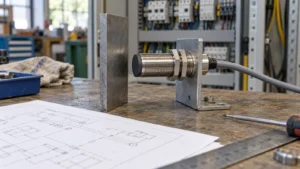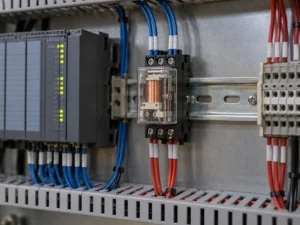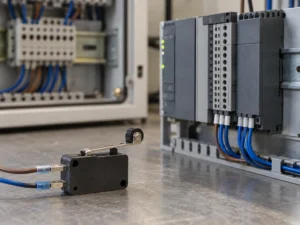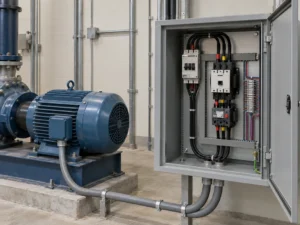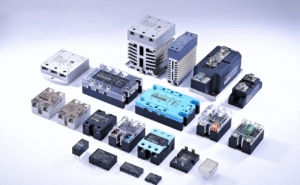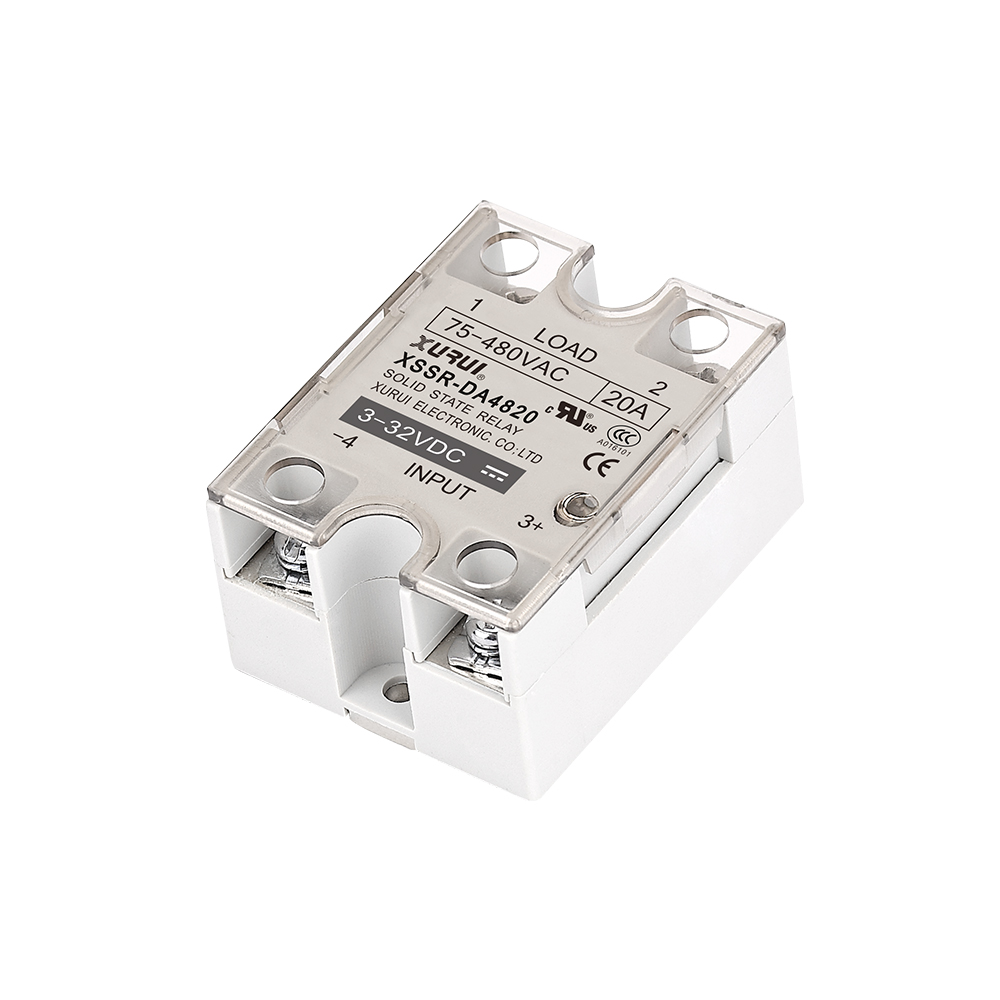
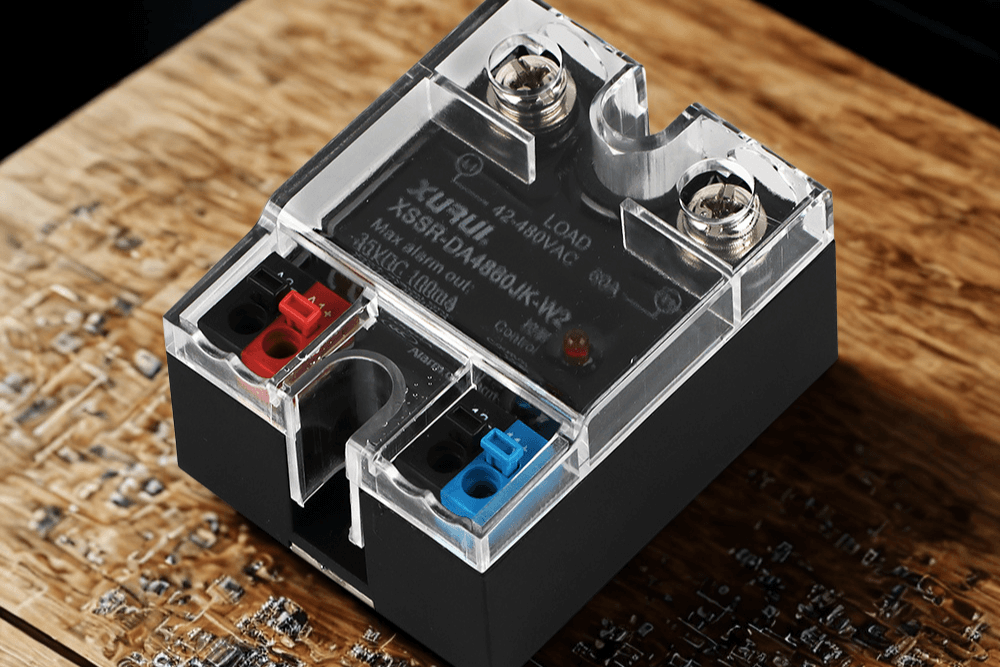
The right relay technology can make your system quicker, safer, and more reliable. So here we go, what, when, and how can one make use of a solid state relay (SSR), and whether you should do so.
What Is a Solid State Relay and Why Does It Matter?
Solid-state relays are gaining popularity in various industries. They offer quick, silent, and durable control switches. Knowledge of their functioning will facilitate making decisions regarding the systems.
Core Function and Internal Components
A solid-state relay is a non-moving parts switch. It utilizes the services of semiconductors, such as transistors and triacs, to regulate electricity.
Once a current signal smaller than a set input is injected, the SSR turns on the output circuit. It does so quietly and swiftly. There are no physical contacts that would wear out, hence it provides a longer life.
How It Differs from Electromechanical Relays
Electromechanical relays (EMRs) operate on a simple principle: metal contacts move in response to a magnetic coil. You can hear a click each time they are being switched.
Moving parts can wear out, which can cause these components to fail. SSRs, in contrast, though, are quiet and much more prolonged. They are also quicker due to the absence of delay in the case of the moving parts.
Why Modern Applications Are Shifting Toward SSRs
Machines today need to respond rapidly and require simple maintenance. SSRs provide them both. This is why more systems are moving towards more SSRs, rather than EMRs.
Solid state relays are compatible with digital systems, smart sensors, and automated machines. They can respond very quickly and have a long life, which makes them suitable for the requirements of the modern world.
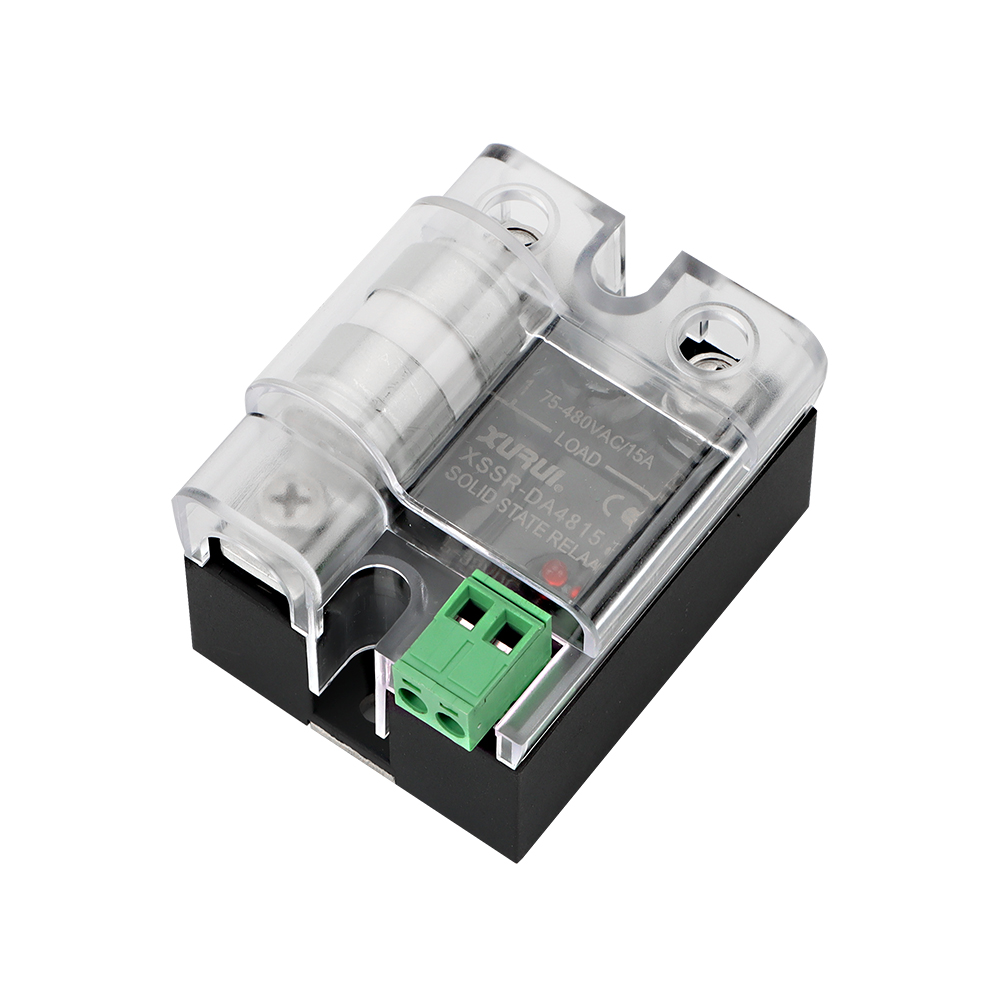
Who Should Consider Using a Solid State Relay?
Not every system necessarily requires an SSR, but numerous systems offer the benefits of using one. So, what people should use one in their setup?
User Groups by Industry and Role
System designers, automation engineers, and manufacturers often utilize SSRs. These consumers operate machines that run daily and have minimal downtime.
Clean spaces, labs, and hospitals are also beneficiaries. This area offers significant benefits due to its low noise levels and reduced maintenance problems. SSRs are also preferred by plant managers since they enhance uptime and save money in the long run.
Application Scenarios Where SSRs Excel
SSRs are great for high-speed operations. For example, conveyor belts that turn on and off quickly can use SSRs to maintain speed.
SSRs are very reliable when used in dusty or hot places as they contain fewer parts that can clog or overheat quickly. The relays are suitable for quiet places where noise is unwelcome.
What Specific Problems Can a Solid State Relay Solve?
SSRs are more than just quiet switches. They can solve real problems in harsh or demanding conditions. Here’s how they help.
Addressing Relay Wear and Noise
Moving parts in electronic medical records (EMRs) break down over time. This leads to system failures and repairs.
SSRs don’t have parts that rub together. That means they last longer and don’t make clicking sounds. This helps in quiet zones and in places that need dependable machines.
Enhancing Performance in High-Speed or Harsh Environments
When a system switches many times per second, EMRs can’t keep up. They get hot, wear down, and cause problems.
SSRs are designed for this kind of use. They can switch thousands of times without damage. They also work better in environments with heat, dust, or shaking because they are sealed and strong.
Solving Compatibility Issues with Digital and Low-Voltage Control
Modern systems often use low-voltage signals from sensors or microcontrollers. EMRs may not work well with these signals.
SSRs are made for digital control. They need very little input power and connect easily with smart systems. This makes them the right fit for today’s machines and smart devices.
Managing Electrical Spikes, Heat, and Reliability
Electrical spikes can harm EMRs quickly. They may burn out or cause contact damage.
SSRs resist spikes better. They can also handle temperature changes, especially when paired with heat sinks. Many companies trust solid state relays in these tough spots. Reliable options from trusted solid state relay manufacturers, such as Xurui Switch, are often used in these setups.
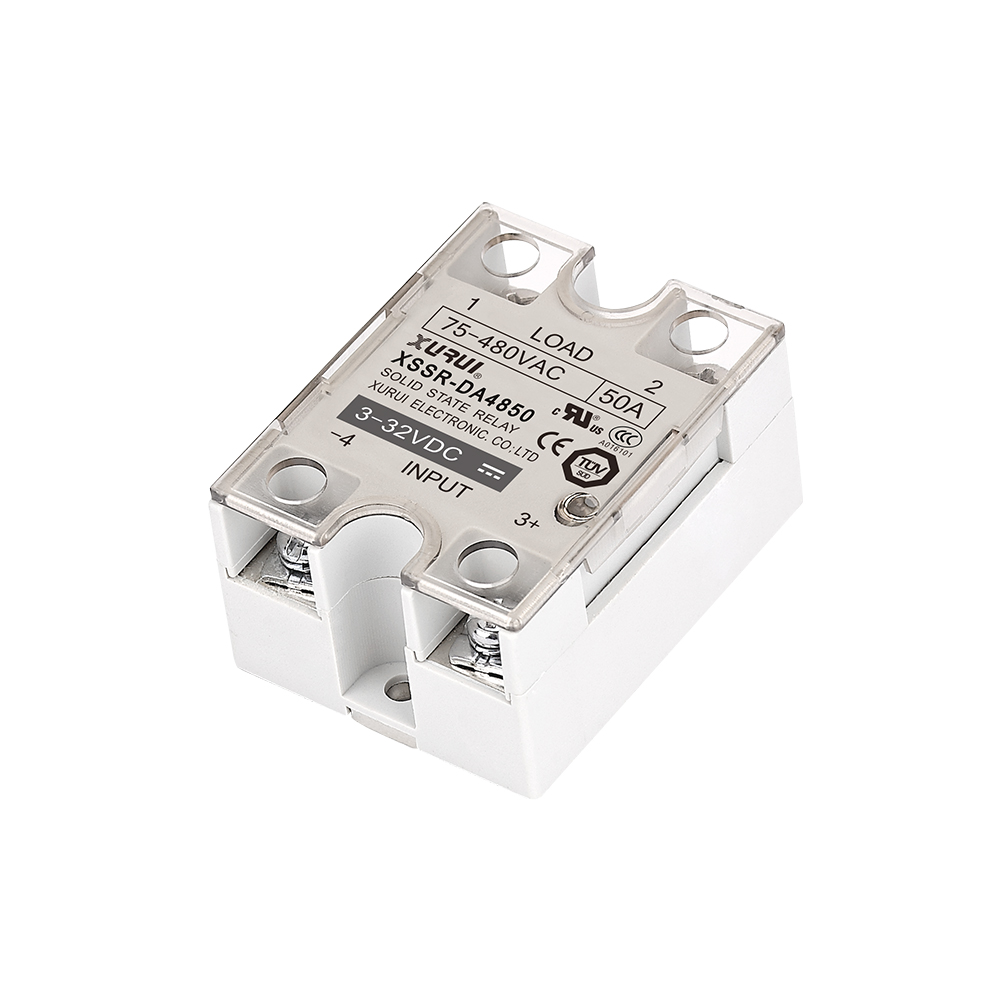
Key Benefits and Limitations of Solid State Relays
There are significant advantages of SSRs, but also certain limitations. Knowing about the liberal arts helps you make smart choices for your application.
Major Advantages: Speed, Silence, Longevity
SSRs are fast-reacting, seemingly within a millisecond. This qualifies them as being ideal in high-speed control.
They do not make a clicking sound when switching because they are designed to be silent. They help in offices, labs, and clean areas. Without moving parts, they are more durable, which explains the long-term cost difference.
Practical Limitations and Trade-Offs
Although SSRs have advantages, they are unable to work with huge currents without additional aids. They can also become hot and warrant a heat sink to remain safe.
EMRs are, nevertheless, a more suitable fit for specific heavy-duty work. This is why the primary success factor will be selecting the type of relay based on the load.
Hidden Costs and Misconceptions to Be Aware Of
Many people think SSRs are too expensive. Although they are more costly to buy, they ultimately save money by reducing repair fees and downtime.
One of the most obvious errors is a belief that all SSRs are equivalent. Poor-quality relays may also fail prematurely. Only buy from trusted solid state relay manufacturers with proven reliability.
How to Evaluate Whether a Solid State Relay Is Right for You
It is necessary to ensure they are the right option before moving on to SSRs to confirm whether they can fit your technical and operating requirements. It helps you figure that out.
Technical Factors: Voltage, Load, and Switching Type
First, check the voltage and current your system needs. SSRs are available in types for both AC and DC loads. Use the right one for your application.
Also, think about switching types. Zero-cross SSRs are suitable for resistive loads. Random turn-on SSRs are better for motors and inductive loads. Matching the SSR type to your use case is critical.
Environmental and Operational Considerations
Think about where the SSR will be installed. Is the area hot, dusty, or noisy? SSRs are made to handle these conditions well.
If your machine needs to switch on and off often, an SSR is more reliable than an EMR. It can continue to operate without breaking down.
Life Cycle Cost vs. Upfront Price
The price tag on an SSR may seem high at first. But think about the long run. You’ll likely spend less on repairs, replacements, and labor.
Over the whole life of the machine, SSRs usually save more money than they cost. This makes them a wise investment for busy systems.
Practical Checklist for Decision-Making
Ask yourself these simple questions. Do I need a quiet switch? Does my system operate in harsh conditions? Will it switch often or connect to a digital system?
If you said yes to most of these, then a solid state relay could be the right choice for your setup.
Enterprise Perspective: Our Recommendation on Using SSRs
Let’s talk business. Companies making the switch to SSRs often achieve long-term benefits, but only if they are used correctly. Here’s what we recommend.
Common Mistakes You Should Avoid
One common mistake is choosing the wrong SSR for the job. Using an AC-rated SSR on a DC load won’t work. It might even cause failure.
Another issue is forgetting to manage heat. SSRs can get hot during use. Not adding a heat sink in high-load jobs is a mistake that shortens relay life.
SSR Success Stories from Our Clients
A packaging company we worked with switched to SSRs and cut machine downtime by 30%. Their maintenance team had fewer problems and more uptime.
Another client in the food industry replaced old EMRs in their ovens. The new SSRs helped reduce noise, improve safety, and facilitate easier passage of health inspections.
Many of these businesses utilized products of trusted solid state relay manufacturers. Their decision helped them save money and improve performance.
Final Verdict: When to Use, When to Skip
SSRs are great for digital control, fast switching, and quiet environments. Additionally, they perform well in hot or dusty environments. An EMR can be a better option if you’re handling large loads or don’t require fast switching. It depends on your system.
Talk to Our Engineers for a Custom Fit
Choosing the right relay takes more than guessing. Talk to a qualified engineer. They’ll help you match the right SSR to your system for the best results. A custom fit means fewer failures and more efficient machines. Don’t leave it to chance.
Conclusion
Solid-state relays (SSRs) are ideal for fast, quiet, and durable switching in modern systems. They offer long-term benefits like reduced maintenance and downtime, making them cost-effective in the long run. While SSRs may not be suitable for all applications, they excel in high-speed, harsh, or noise-sensitive environments. Choosing the right SSR for your system ensures improved performance and reliability.
XURUI Engineering Team