
Use a toggle switch guard when a bumped lever can start motion, change a mode, or leave the switch opening exposed to dust and oil mist. OSHA 1910.212 covers machine guarding for hazards such as points of operation, pinch points, rotating parts, flying chips, and sparks. A toggle switch guard is not that machine guard. The panel guard only protects the control point.
Choose the guard from the failure path: hand contact, splash, dust, blocked lever travel, or wrong switch state. This guide compares covers, rubber boots, recessed mounting, and IP rated toggle switch options so buyers can check fit before ordering.
What Is a Toggle Switch Guard?
A toggle switch guard is a panel accessory or mounting design that shields the lever, bushing, or lever opening from accidental contact and environmental exposure. Common forms include hinged covers, rubber boot caps, recessed mounts, and sealed switch options.
The guard protects the operator interface, not the whole electrical system. A cover can reduce unintended switching. A boot can reduce dust and splash paths around the lever. Neither part changes the contact rating, pole layout, or safety function of the toggle switch.
When Should Control Panels Use a Toggle Switch Guard?
Control panels need a toggle switch guard when lever movement carries a real cost: unexpected motion, wrong mode selection, nuisance shutdown, moisture entry, or service rework. The right guard depends on the hand path, the exposure path, and the circuit role.
Accidental Lever Contact
A sleeve, glove, tool, cart, or nearby hand can hit an exposed lever. This risk rises on crowded operator panels, portable boxes, mobile equipment, and service doors where the lever stands proud of the surface.
A hinged cover adds a deliberate lift action before switching. A recessed mount lowers the lever into the panel face. Both choices reduce bumped commands without changing the wiring logic behind the switch.
Dust, Oil Mist, and Splash Exposure
Dust, coolant mist, oil spray, and outdoor moisture can reach the lever opening before the buyer notices contact trouble. A boot or sealed option targets that front-panel exposure path.
IEC IP ratings grade enclosure resistance against dust and liquid intrusion. The first IP numeral covers solid objects from 0 to 6, while the second covers liquid protection from 0 to 9. Treat an IP rating as a tested condition for the exact switch or enclosure, not as a broad water claim.
Shared Operator and Service Stations
Shared panels need extra state control during setup, maintenance, and shift change. These stations create state confusion when one person assumes the lever position after another person changes the switch during service.
A guard does not replace labeling. The panel should still show the circuit role, lever direction, and default position. If the lever controls a temporary command, compare the action against the approved momentary toggle switch logic before adding any cover that changes hand access.
Which Guard Type Fits Each Panel Risk?
Guard type follows the failure path. Accidental hand contact points to a cover or recess. Dust and splash point to a boot or IP rated option. A safety function needs a rated safety device, not a lever cover.
| Panel risk | Better guard direction | What to confirm |
|---|---|---|
| Bumped lever | Hinged cover or recessed mounting | Lever can still reach each required position |
| Dust or oil mist | Rubber boot cap or sealed option | Boot thread, bushing size, and exposure level |
| Splash near the panel | IP rated switch or booted assembly | Exact IP rating and installation direction |
| Shared service access | Cover plus label discipline | Visible state, lockout procedure, and circuit role |
Hinged Safety Covers
Hinged covers fit switches that should not move from casual contact. The cover adds a physical step before the operator reaches the lever, which matters when a wrong mode can stop production or start a small controlled movement.
Check the cover arc before ordering. The cover must open far enough for the lever position. The closed cover must not push the lever into another state unless that lever movement is intentional. A cover that hides the lever position can create false state confidence on service panels.
Rubber Boot Caps
Rubber boot caps fit panels exposed to dust, oil mist, light splash, or cleaning residue. The boot stretches over the lever and seals around the bushing area, reducing one common path for contamination.
A boot does not seal the terminals, rear body, wire exits, or panel gasket. If the panel needs a defined ingress rating, select a boot, cap, or switch option with documented sealing. Do not describe the bare switch as sealed unless the exact model data supports that statement.
Recessed Panel Mounting
Recessed mounting lowers the lever into a pocket or protected panel area. This design suits mobile equipment, service boxes, and dense panels where an exposed lever can catch a sleeve or tool.
The recess must leave enough finger room for normal operation. A pocket that blocks gloves can push operators toward awkward hand movement, and awkward movement can cause the same wrong command the recess should reduce.
IP-Rated Toggle Switch Options
IP rated toggle switch options fit panels where exposure is part of the application, not an occasional event. Selected XT models may use IP rated sealing or rubber boot caps for splash and dust conditions. Sealing is not a blanket XT claim.
When sourcing from a toggle switch manufacturer, name the exposure in physical terms: dry dust, oil mist, coolant splash, rain, washdown, or indoor wipe-down. The supplier can then confirm the switch, boot, cap, or panel seal that matches the real environment.
How Should Buyers Check Fit Before Ordering?
Buyers should check mechanical fit, electrical rating, operator access, and environment before ordering a guard. A guard that fits the thread can still fail when the lever cannot travel, the boot rubs the cover, or the rear terminals hit the cabinet.
Check in this order:
- Panel cutout and bushing size.
- Lever travel with the guard open and closed.
- Rear terminal clearance and wire bend space.
- Contact rating, circuit role, and exact XT or MTS option.
Cutout and Bushing Size
Start with the panel hole and bushing. XURUI XT uses a 12 mm bushing for standard panel mounting, while the MTS sub-series uses a 6 mm bushing for smaller panels. A guard or boot must match the bushing thread, panel thickness, and nut stack.
Panel fit also includes washer thickness, cover bracket thickness, and available thread after installing the accessory. If the guard consumes too much thread, the switch can loosen under vibration.
Lever and Terminal Clearance
Check lever travel with the guard open and closed. The lever must reach ON-OFF, ON-ON, or center-off ON-OFF-ON positions without rubbing the cover or stretching the boot beyond the intended travel.
Rear clearance matters just as much. XT terminal options include solder, screw, and quick-connect styles, and each terminal style needs different wire bend space. A front guard can look correct while the cabinet door presses against the terminals behind the panel.
Contact Rating and Circuit Role
The guard does not change the contact rating. XURUI XT contact ratings run from 3A to 15A at 125 to 250VAC by model, so the exact part number still has to match voltage, current, load type, and duty cycle.
Use the guard after the circuit role is clear. If the switch only sends a PLC input, check contact layout, signal quality, and operator access. If the switch carries a load, the same toggle switch selection checks still apply: rating, inrush, terminal style, and panel environment.
XURUI XT and MTS Option Confirmation
For XURUI XT and MTS selection, confirm action type, pole layout, throw pattern, bushing size, terminal style, guard type, and sealing need in the same RFQ. The XT Series Toggle Switch covers SPST, SPDT, DPST, and DPDT options by model. Selected models support rubber boot or IP rated options for panels with dust or splash exposure.
Sample testing should include lever feel, guard clearance, boot compression, continuity by lever position, and real panel installation. XURUI Switch has built industrial control switches since 2002, but the buyer still needs sample approval because guard fit depends on the cabinet, wiring, operator hand access, and exposure path.
FAQs
Can a toggle switch cover make a non-sealed switch IP rated?
No. A toggle switch cover cannot turn a non-sealed switch into a sealed or IP rated switch. The cover may reduce splash or hand contact at the front face, but the switch body, terminals, panel cutout, cable exit, and installation direction still decide the real ingress risk.
Will a spring-loaded toggle switch guard turn the switch off when closed?
Only a guard designed for that action should move the lever when closed. Some spring-loaded covers only cover the lever after the operator moves the switch. Confirm the cover mechanism before use, because the wrong cover can hide an ON state instead of changing that state.
Can you add a toggle switch guard without removing the switch from the panel?
Sometimes. A retrofit cover may mount over an existing switch if the panel has space and the bushing hardware matches the cover. Boots and cover brackets often require loosening or removing the bushing nut, so check front access, rear wiring strain, and downtime before service work.
Does adding a guard change the toggle switch electrical rating?
No. A guard changes the physical access and exposure path, not the electrical rating. The switch rating still comes from the exact contact design, voltage, current, load type, and duty cycle, so buyers should not raise the allowed load after adding a cover or boot.
Can a toggle switch guard replace a safety interlock or lockout device?
No. A toggle switch guard cannot replace a safety interlock, safety relay, or lockout device. OSHA 1910.147 covers hazardous energy control during servicing when unexpected startup or stored energy can injure employees, and safety door switches handle guard access control in machine designs. Use the toggle guard for lever protection, not for the machine safety function.
XURUI Engineering Team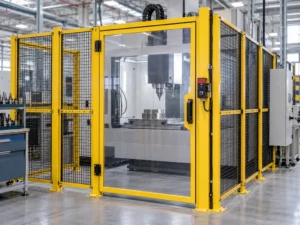
Industrial SPST toggle switch on a control panel](https://xuruiswitch.com/wp-content/uploads/2026/09/spst-toggle-switch-industrial-control-cover-300x225.webp)
SPST toggle switch product on a clean electronics workbench](https://xuruiswitch.com/wp-content/uploads/2026/09/spst-toggle-switch-cover-300x225.webp)