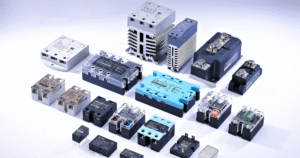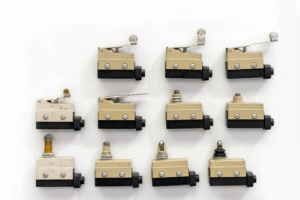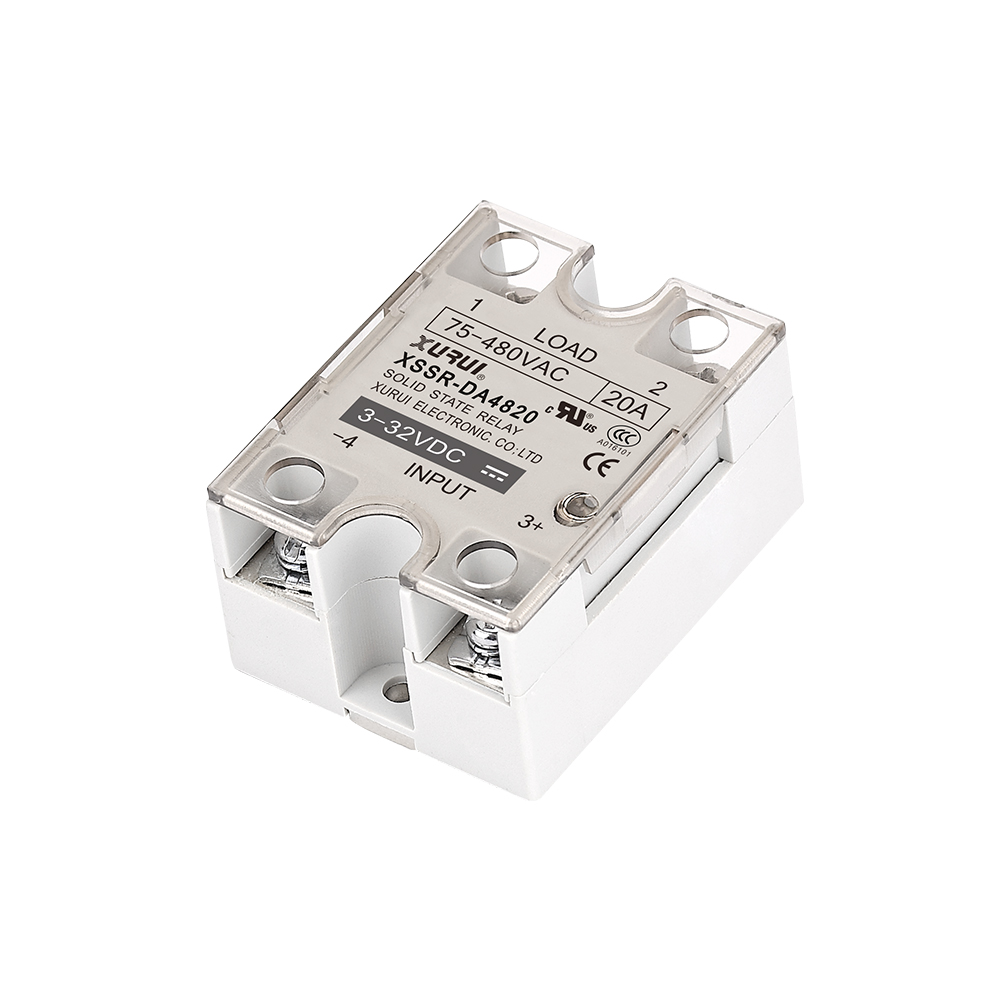
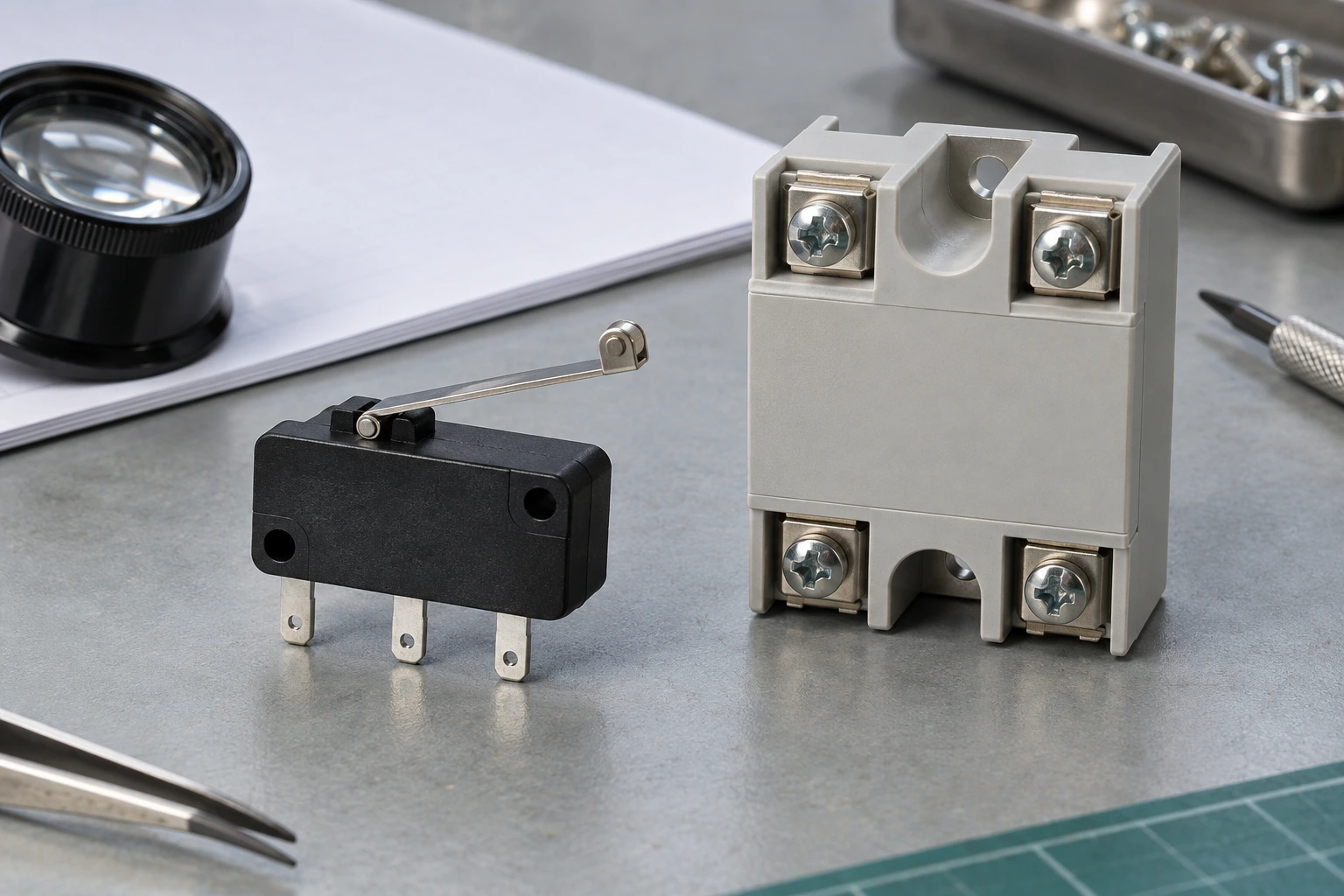
For industrial switches and relays, RoHS directive compliant means that the materials meet the applicable EU limits for ten restricted substances or qualify for valid exemptions. Each material is assessed separately. A low average concentration across the device cannot compensate for a material that exceeds its limit.
For original equipment manufacturers (OEMs), this means confirming that the supplier’s evidence covers the exact configuration being ordered. The review must account for the applicable EU requirements and any exemptions the supplier claims.
When Does RoHS Apply to Industrial Switches and Relays?
EU Directive 2011/65/EU, as amended, restricts substances in covered electrical and electronic equipment (EEE), including its switches and relays.
Components supplied for integration need evidence of material compliance. Finished EEE also requires technical documentation, an EU Declaration of Conformity and CE marking. Meeting RoHS substance limits alone does not require a component to carry a separate CE mark.
Industrial use does not automatically exclude a product. Any exclusion, including those for certain large-scale industrial tools or fixed installations, needs a documented basis. General-purpose components do not automatically share an installation’s exclusion.
Which Substances Does RoHS Restrict?
EU RoHS restricts the following ten substances. These concentration limits apply unless a valid exemption permits otherwise. Commission Delegated Directive (EU) 2015/863 added four phthalates to Annex II; suppliers often call this amendment “RoHS 3.” The abbreviation ppm means parts per million by weight.
| Restricted Substance | Maximum Concentration by Weight in Homogeneous Material |
| Lead (Pb) | 0.1% / 1,000 ppm |
| Mercury (Hg) | 0.1% / 1,000 ppm |
| Cadmium (Cd) | 0.01% / 100 ppm |
| Hexavalent chromium (Cr VI) | 0.1% / 1,000 ppm |
| Polybrominated biphenyls (PBB) | 0.1% / 1,000 ppm |
| Polybrominated diphenyl ethers (PBDE) | 0.1% / 1,000 ppm |
| Bis(2-ethylhexyl) phthalate (DEHP) | 0.1% / 1,000 ppm |
| Butyl benzyl phthalate (BBP) | 0.1% / 1,000 ppm |
| Dibutyl phthalate (DBP) | 0.1% / 1,000 ppm |
| Diisobutyl phthalate (DIBP) | 0.1% / 1,000 ppm |
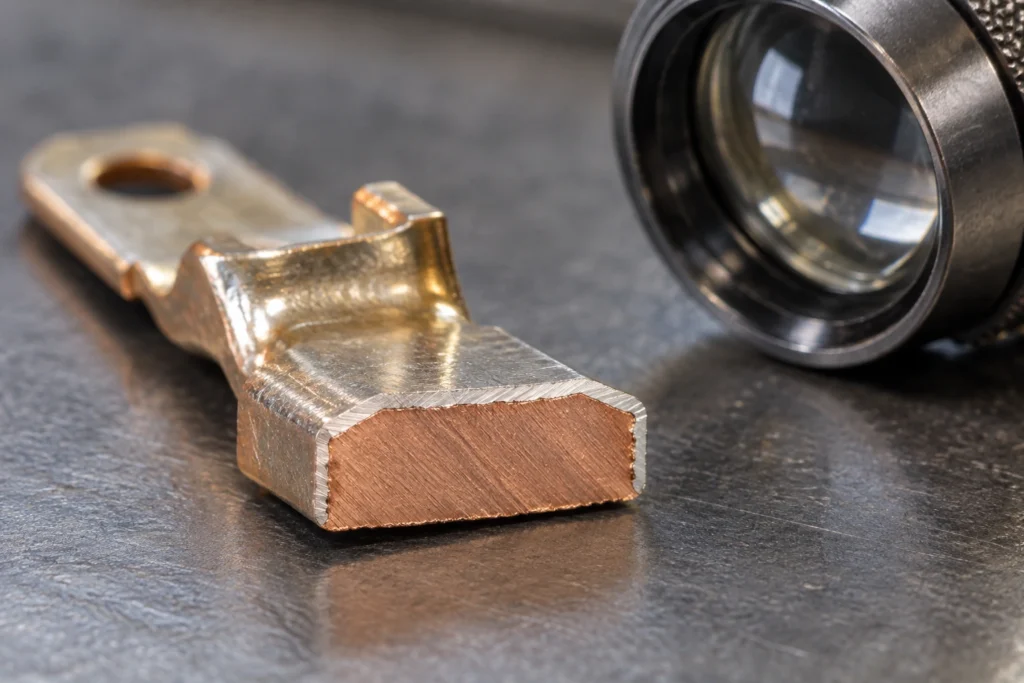
A homogeneous material has a uniform composition or consists of materials that cannot be separated mechanically, for example by cutting or grinding. A terminal’s base metal and any separable plating layers therefore need separate assessments. Their combined weight cannot be used to dilute the concentration of a restricted substance in one layer. The chromium limit applies specifically to hexavalent chromium. It does not restrict every form of chromium. Similarly, the PBB and PBDE limits do not prohibit all flame retardants.
Which Switch and Relay Materials Require RoHS Assessment?
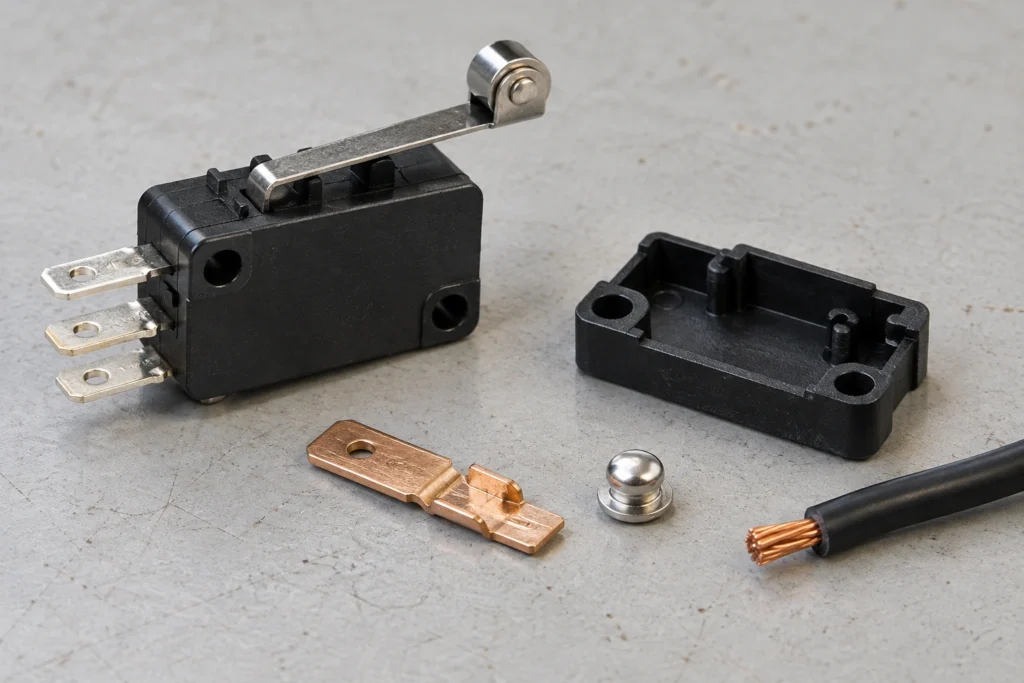
Review every material in the assembly, including nonconductive housings and supplied wiring. For micro switches and relay assemblies, this means looking beyond the parts that carry current.
Electromechanical Switches and Relays
Start with the contact alloy, terminal metals and surface finishes. Then review the housing, insulation and any supplied cable. Ask the following questions:
- Does the contact-alloy declaration provide more detail than a general description such as “silver alloy”?
- Does the material evidence cover both the terminal’s base metal and its plating?
- Do the plastic and insulation declarations address the restricted flame retardants and phthalates?
- Does the declaration cover any cable, socket or other accessory included in the order?
These checks establish what needs verification; they do not imply that a particular product contains a restricted substance. Changes to a contact alloy also need an electrical review because contact material selection affects resistance, arc wear and suitability for the load.
Solid-State Relays
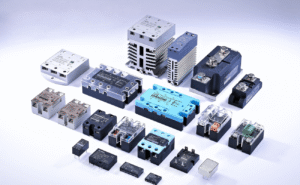
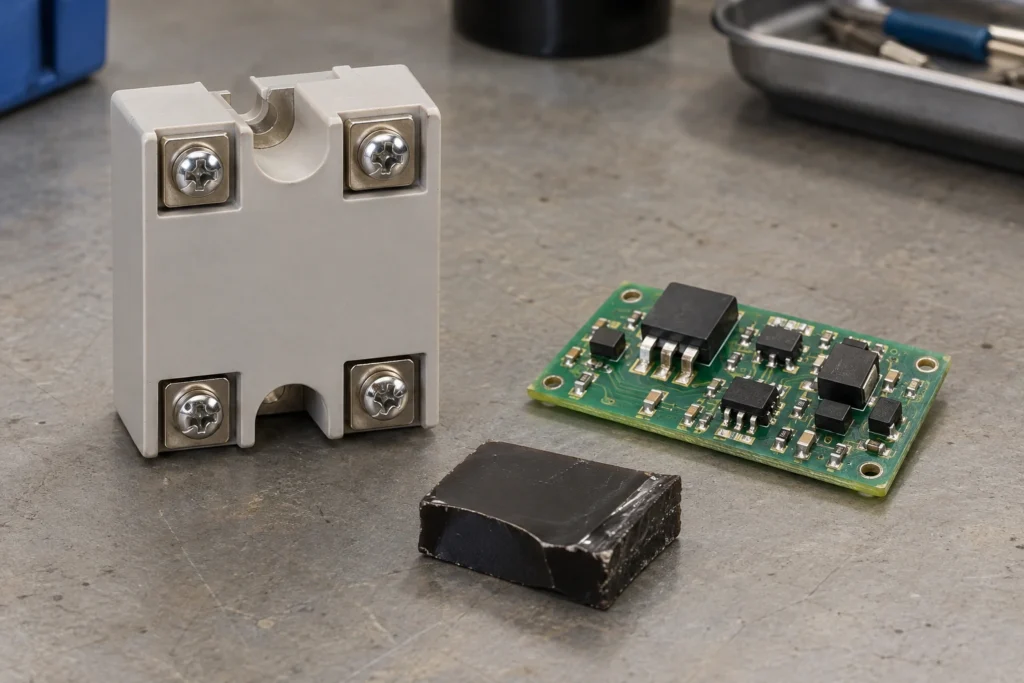
Solid-state relays switch through semiconductor devices and have no moving power contacts. Their RoHS assessment still covers the complete assembly, including solder, circuit boards, semiconductor packages, terminals, encapsulating compounds and housings.
A declaration about lead-free solder covers only part of that assessment. Obtain evidence for the assembled relay and its constituent materials. If a material relies on an exemption, the documentation must identify the material and its use clearly enough to verify that the exemption applies.
What Does RoHS Compliant With Exemptions Mean?
“RoHS compliant with exemptions” means a product meets RoHS requirements while using a valid exemption that permits a specified substance use above its general concentration limit.
Check the Annex III or IV entry, equipment category and conditions. The exemption must apply when the finished equipment is placed on the EU market. Existing exemptions may remain valid while timely renewal applications are pending; applying for a new exemption does not authorize its use.
RoHS compliant also differs from lead-free. A valid lead exemption may support compliance, while a lead-free claim provides no assurance about the other nine restricted substances.
How Can OEM Procurement Teams Verify RoHS Compliance?
OEM procurement teams can verify compliance by matching the ordered configuration to reliable material evidence and checking any applicable exemptions. Complete this review before approving the part, and retain records that can be traced to later deliveries.
Step1: Confirm the Exact Product Configuration
Record the complete ordering code, including suffixes and revision. Identify the contact options, terminal finishes, housing variants and supplied accessories, along with the intended equipment and target market.
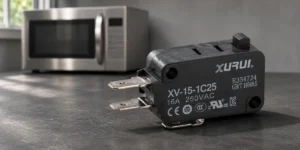
For an XZ-15 series micro switch, for example, review the actuator, terminal and contact construction against the complete ordering code. A document covering the product family is sufficient only if its stated scope includes the variant being ordered. If a declaration excludes a custom cable or contact option, obtain evidence for that option before approving the configuration.

Step2: Validate the Compliance Evidence
Request a manufacturer’s declaration identifying the product, applicable RoHS legislation, date, issuer and any exemptions. Then:
- Match supporting records to the ordered materials and accessories.
- Confirm coverage of all ten restricted substances.
- Verify exemptions for the intended application, equipment category and date of placement on the EU market.
- Resolve conflicting statements or missing evidence before approval.
IEC 63000 covers supporting technical documentation; RoHS does not require every component to have a third-party certificate. Test reports cover only the samples, materials and substances examined, so obtain additional evidence for any gaps.
Step3: Maintain Traceability and Change Control
Keep the approved ordering code and compliance documents with the purchasing records for each delivered batch. Retain the document versions used during approval so that later deliveries can be checked against the approved configuration.
Require suppliers to notify you of changes to contact alloys, plating, plastics, solder, internal parts or manufacturing sources. Review any change that could affect compliance before accepting the revised product. Reassess affected approvals when an exemption changes or ends.
Send XURUI the complete part number, intended equipment use and target market to request the applicable compliance documents. This information helps identify the configuration and supporting documents needed for your review.
Frequently Asked Questions
Does RoHS Compliance Also Mean REACH Compliance?
RoHS compliance does not establish compliance with REACH, the EU’s broader chemicals regulation. Request separate information on applicable restrictions and the Candidate List of substances of very high concern. Confirm which version of the list the supplier used, since it covers a different range of substances from RoHS.
Does RoHS Compliance Guarantee Electrical Safety?
RoHS compliance does not guarantee electrical safety or switching performance. Assess voltage, current, insulation and load suitability using the relevant specifications and safety evidence. For solid-state devices, relay selection also requires thermal and protection checks for the actual load and installation.
External Sources
- European Commission: RoHS Directive
- Commission Delegated Directive (EU) 2015/863: Annex II Substance Limits
- European Commission: RoHS 2 FAQ, Components and Homogeneous Materials
- European Commission: RoHS Directive Implementation and Exemptions
- IEC 63000:2016+A1:2022: Technical Documentation for Restricted Substances
- TE Connectivity: Product Environmental Compliance Definitions