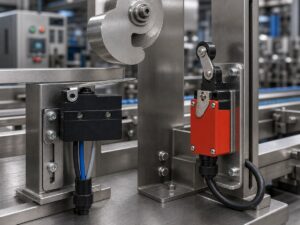

In industrial environments, worker safety and machine reliability are always top priorities. One of the most important devices that ensures both is the Safety Interlock Switch. This small but powerful component makes sure that a machine can only operate when all safety conditions are met, such as when guard doors are properly closed. In this article, we’ll explain what a safety interlock switch is, why it matters, the challenges users face, and how to choose and maintain the right one for your application.
What Is A Safety Interlock Switch?
Simple Definition
A Safety Interlock Switch is a protective device designed to stop a machine from running when safety conditions are not satisfied. In plain terms, it acts as a “gatekeeper” between the operator and potentially dangerous machine movements.
Core Function
- Protects people: Prevents access to moving parts during operation.
- Protects equipment: Stops machines from damaging themselves due to improper use.
- Ensures compliance: Meets international safety standards such as ISO 14119 and ISO 13849.
Why Safety Interlock Switches Matter In Industry
Worker Safety
Industrial machinery often involves cutting, pressing, or high-speed moving parts. Without interlocks, operators could be exposed to severe injuries.
Regulatory Compliance
Authorities such as OSHA and ISO require safety measures to be in place. Interlock switches help companies avoid violations, fines, and liability.
Productivity And Reliability
Unexpected accidents cause downtime. A well-functioning safety interlock prevents these incidents, ensuring production lines run smoothly.
Common Pain Points With Safety Interlock Switches
Machine Won’t Start Or Stops Unexpectedly
When an interlock switch is damaged or misaligned, machines may refuse to start or stop mid-operation.
Misalignment And Mechanical Wear
Frequent door use, vibration, or impacts can cause the actuator to wear out or lose alignment.
Environmental Challenges
Dust, oil, or moisture often affect reliability, especially for traditional contact-type switches.
Risk Of Bypass
Operators sometimes try to bypass the switch to save time. This creates dangerous working conditions and exposes companies to legal risks.
Solutions To Safety Interlock Switch Issues
Regular Maintenance
- Inspect alignment between the guard door and the switch.
- Clean dust, oil, or debris that may affect contact.
Choose The Right Type
- Non-contact switches (magnetic, RFID): Suitable for dusty or wet environments.
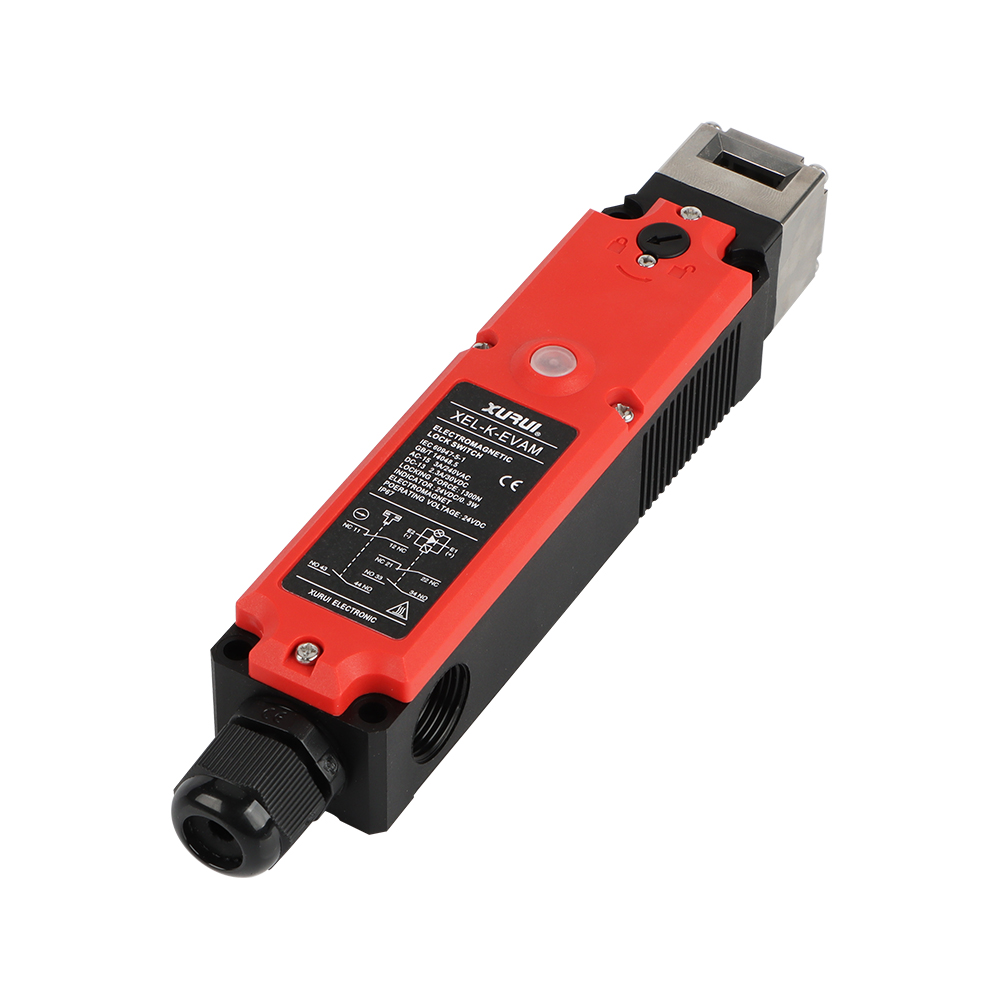
- Power-to-lock switches: Keep doors locked while the machine runs, ideal for high-inertia machines.
- Power-to-release switches: Keep doors locked after power is off, suitable for equipment with residual energy.
Prevent Bypass
- Use coded interlock switches that cannot be easily tricked with spare keys or magnets.
- Pair with safety relays or controllers for redundancy.
Replace When Necessary
If the switch shows signs of damage, arcing, or poor contact, replace it immediately rather than running the machine in an unsafe condition.
How To Select The Right Safety Interlock Switch
- Step 1: Define the application (packaging, press machine, robotic cell, etc.).
- Step 2: Check the required safety level (Performance Level, SIL).
- Step 3: Choose the proper mounting type and dimensions.
- Step 4: Consider environmental conditions (dust, moisture, temperature).
- Step 5: Ensure compatibility with your existing safety control system.
Tips For Long-Term Reliability
- Add interlock switch inspections to your maintenance schedule.
- Protect switches with covers or housings in harsh environments.
- Train employees on why safety interlocks are critical and never to bypass them.
Real-World Applications of Safety Interlock Switches
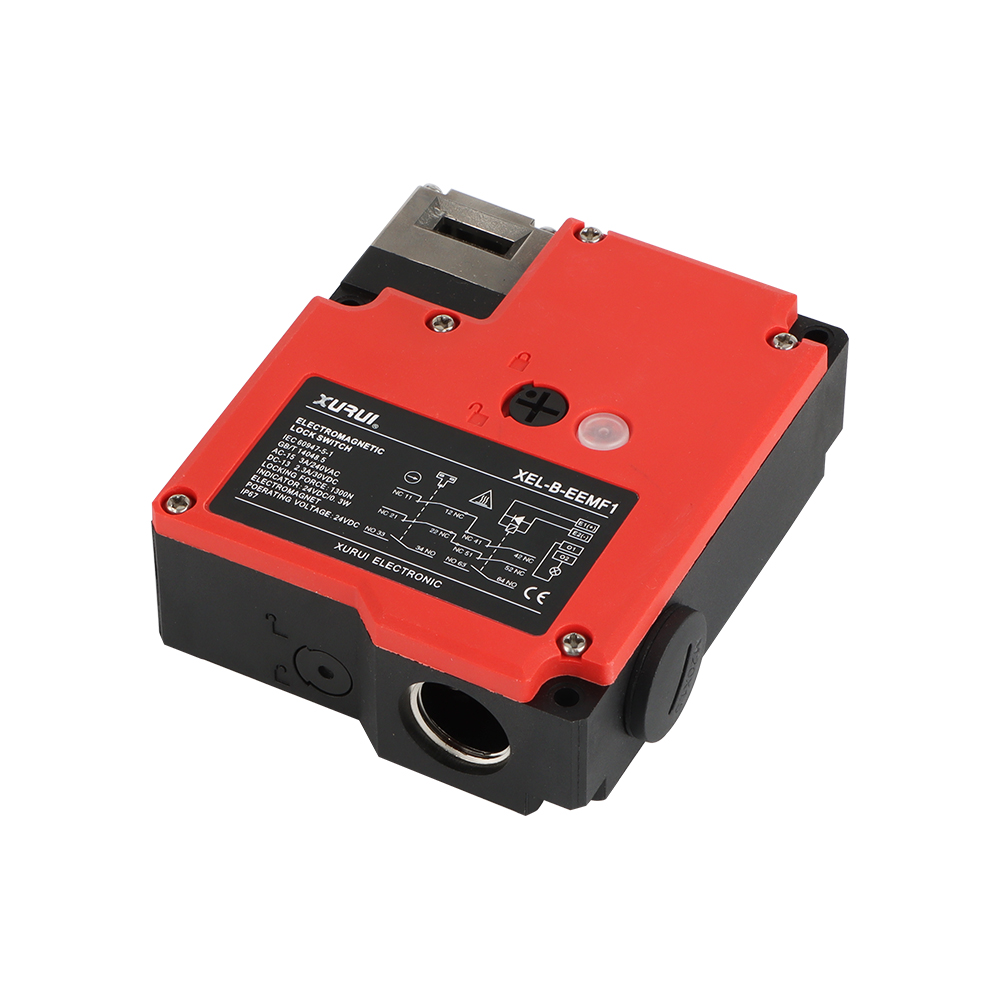
Safety interlock switches are used across a wide range of industries where operator safety and machine reliability are critical.
- Packaging Industry: Automated packaging machines have fast-moving belts and cutting mechanisms. Interlock switches ensure doors stay locked during operation, preventing accidental hand injuries.
- Food and Beverage Manufacturing: Hygiene and safety are equally important. Non-contact interlock switches are ideal here because they resist washdowns, dust, and moisture.
- Automotive Production: Robotic arms and welding cells use interlock systems to guarantee operators cannot enter hazardous zones while machines are active.
- Medical Equipment: In devices like MRI machines or sterilization chambers, interlocks prevent doors from opening until processes are complete.
- Construction and Heavy Machinery: Equipment like presses, crushers, and CNC machines rely on rugged interlock switches to stop operations instantly if a guard is removed.
Frequently Asked Questions
Can I Bypass A Safety Interlock Switch?
Technically possible, but highly unsafe. Bypassing exposes workers to danger and may result in legal liability for employers.
What Is The Difference Between A Safety Interlock Switch And A Limit Switch?
A limit switch detects position, while a safety interlock switch actively prevents machine operation unless safe conditions are met.
How Often Should I Check My Safety Interlock Switch?
Monthly inspections are recommended. In high-use environments, checks should be included in daily or weekly routines.
Are Safety Interlock Switches Expensive?
They are usually affordable compared to the cost of downtime, accidents, or regulatory fines.
Conclusion
A Safety Interlock Switch may look like a small component, but it plays a huge role in keeping people safe, protecting machines, and ensuring compliance. Treat it as a safeguard, not an obstacle. With the right choice, regular maintenance, and proper employee training, safety interlock switches can significantly reduce risk and improve productivity on any production floor.
XURUI Engineering Team