
Reed switches may be small, but they play a big role in modern electronics. From home security alarms to smart meters and even medical devices, these magnetically controlled switches are everywhere. Simple, durable, and versatile, they remain a trusted choice for engineers, manufacturers, and DIYers alike. In this guide, we’ll cover what a reed switch is, how it works, and why it’s so widely used.
What Is A Reed Switch?
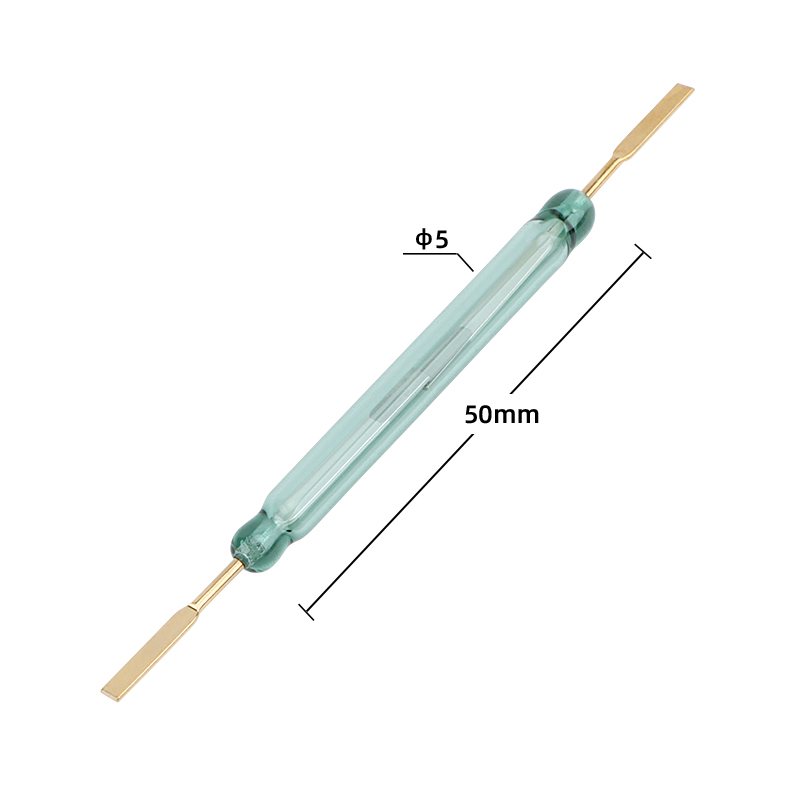
A reed switch is a small but powerful component that shows up in countless devices we use every day. At its core, it’s an electromechanical switch made of two thin ferromagnetic blades—called “reeds”—sealed inside a glass capsule. When a magnetic field is present, the reeds either snap together or move apart, opening or closing a circuit.
Reed switches come in three common types:
- Normally Open (NO): Contacts are open by default and close when a magnet is near.
- Normally Closed (NC): Contacts are closed by default and open when a magnet is near.
- Changeover (SPDT): One input connects to one of two outputs depending on the magnet’s position.
Related Reading: What Is the Difference Between Relay and Switch?
How Does A Reed Switch Work?
The Operating Principle
When a magnet comes close, the reeds inside the glass capsule become magnetized. This attraction (or repulsion) makes the contacts either close or open. Once the magnet moves away, the reeds return to their original state.
Two important terms to know:
- Operate point: The magnetic strength where the switch changes state.
- Release point: The strength where it returns to normal.
The gap between these two values is called hysteresis, which prevents flickering if the magnet sits right at the trigger point.
Magnet Placement And Orientation Tips
The way you position the magnet makes a big difference:
- Place the magnet parallel to the switch and slide it perpendicular across the center for a clean open/close action.
- Neodymium magnets are compact and strong, great when space is limited. Ferrite magnets are weaker but cost-effective.
- Always match the magnet’s strength to the switch’s sensitivity rating (AT value) for reliable performance.
Common Applications Of Reed Switches
Everyday Devices
Reed switches show up in many common products, such as:
- Magnetic door and window alarms in home security systems
- Appliances like washing machines and refrigerators for position or level sensing
- Exercise equipment such as treadmills and bike computers for speed tracking
- Medical electronics including capsule endoscopes that activate when swallowed
Application Scenarios
They are also widely used in industrial and commercial settings, including:
- Reed relay switching in sensitive circuits
- Flow and position detection in fluid and mechanical systems
- Magnetic trigger circuits for alarms and automation
- Automotive electronics and smart meters
- Test instruments, lab equipment, and experimental setups
- Communication devices and consumer electronics
Reed switches are widely used across industries, from home appliances to smart meters and test instruments. If you’re looking for a reliable supplier, XURUI Switch Manufacturer provides a full range of high-quality reed switches designed for both consumer and industrial applications.
Why People Choose Reed Switches
Reed switches remain popular because they’re:
- Power-free when idle – no energy consumption
- Simple, reliable, and low-cost – easy to integrate
- Hermetically sealed – protected from dust, moisture, and even harsh environments
These qualities make reed switches a favorite in everything from home security systems to automotive electronics. A good example is the XURUI Reed Switch, which takes these strengths further with a moisture-resistant glass-sealed design, fast response, and no mechanical wear. Its compact build and long service life make it especially dependable for relays, sensors, alarms, smart meters, and other non-contact switching applications.
Common Problems Users Face (And How To Fix Them)
Reed Switch Does Not Trigger
Cause: Magnet is too weak, too far away, or misaligned.
Fixes:
- Use a stronger magnet
- Align it with the reed’s axis
- Choose a more sensitive switch with a lower AT rating
Double Or False Triggers
Cause: Contact bounce, vibration, or borderline magnetic strength.
Fixes:
- Add a resistor + capacitor (RC debounce circuit)
- Use software debounce if connecting to Arduino or Raspberry Pi
- Mount the switch away from vibration-heavy areas
Reed Switch Breaks Or Fails Quickly
Cause: Glass capsule damage, overload, or inductive arcing.
Fixes:
- Avoid bending the leads near the glass
- Stay within rated voltage/current (leave some safety margin)
- Use flyback diodes or RC snubbers when switching motors, coils, or relays
Unwanted Activation Near Other Magnets
Cause: Stray magnetic fields from speakers, motors, or phone cases.
Fixes:
- Increase the distance from interference sources
- Use magnetic shielding such as mu-metal
- In noisy environments, switch to a Hall-effect sensor
How To Use A Reed Switch In Your Project
Step 1: Choose The Right Type
Pick NO, NC, or SPDT depending on whether you want the circuit to be closed, open, or switch between two states when a magnet is present.
Step 2: Wire It Properly
Connect one side to ground and the other to an input with a pull-up resistor. On Arduino or Raspberry Pi, you can enable the internal pull-up and use a digital input pin.
Step 3: Add Debounce
- Hardware option: Add a resistor and capacitor (RC filter)
- Software option: Ignore repeated signals within 10–20 ms
Step 4: Test And Adjust
Move the magnet closer or farther until you find the most reliable trigger point. Once you confirm stable operation, fix the components in place.
Frequently Asked Questions (FAQs)
How far can a magnet trigger a reed switch?
Typically 0.2–0.8 inches (5–20 mm), depending on magnet size and switch sensitivity.
Can a reed switch handle high current or voltage?
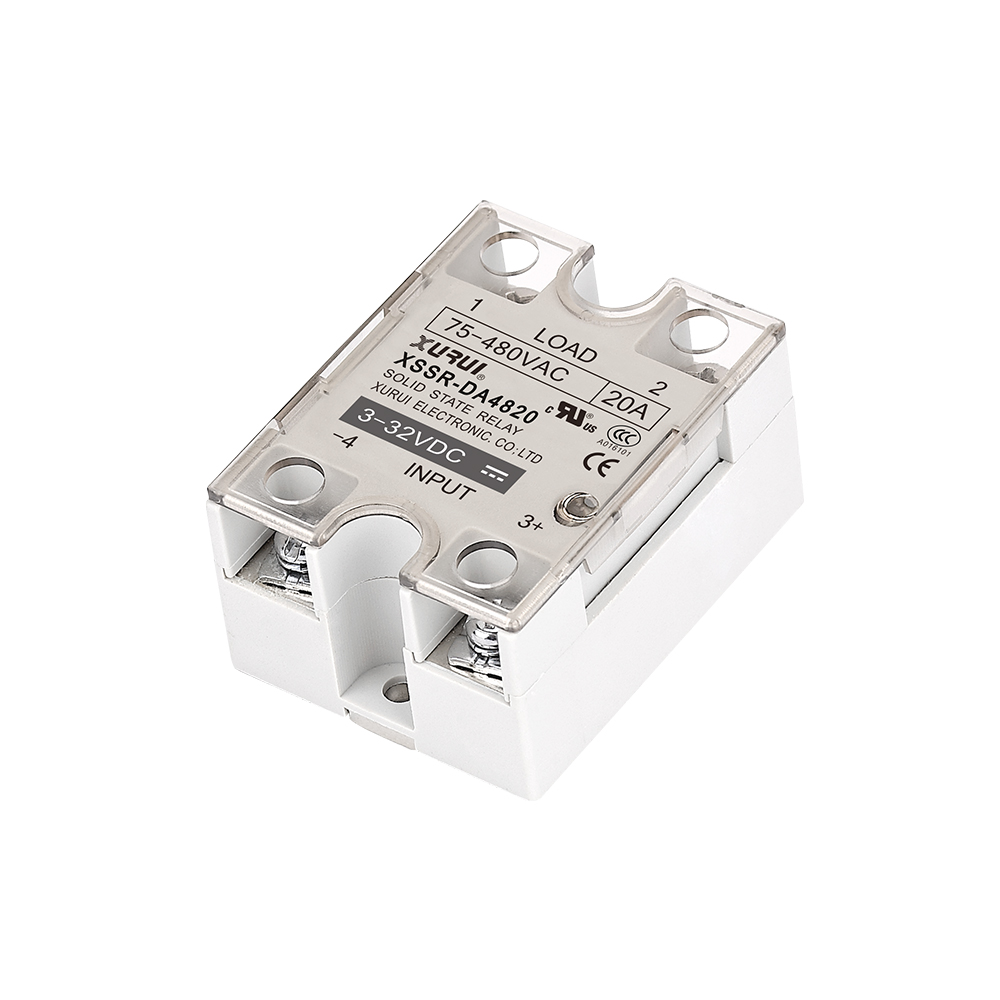
Most are rated under 0.5–1A. For higher loads, pair it with a relay or a solid-state switch.
Why does my reed switch fail after a few months?
Usually due to overload or switching inductive loads without protection. Always add flyback diodes or snubbers when needed.
Can I use a reed switch outdoors?
Yes, but place it inside a protective housing to guard against weather and physical damage.
Which is better: reed or Hall sensor?
Reed = simple, cheap, no power required.
Hall = precise, fast, vibration-resistant.
Choose based on your project needs.
Conclusion
The reed switch proves that sometimes the simplest technologies stand the test of time. With no power draw, a hermetically sealed design, and dependable performance, it’s easy to see why reed switches remain a go-to solution across industries. Whether you’re building a DIY project, upgrading security systems, or designing industrial equipment, choosing the right reed switch can make all the difference. By understanding how they work, where they shine, and how to avoid common pitfalls, you’ll be ready to put this timeless component to work with confidence.
XURUI Engineering Team