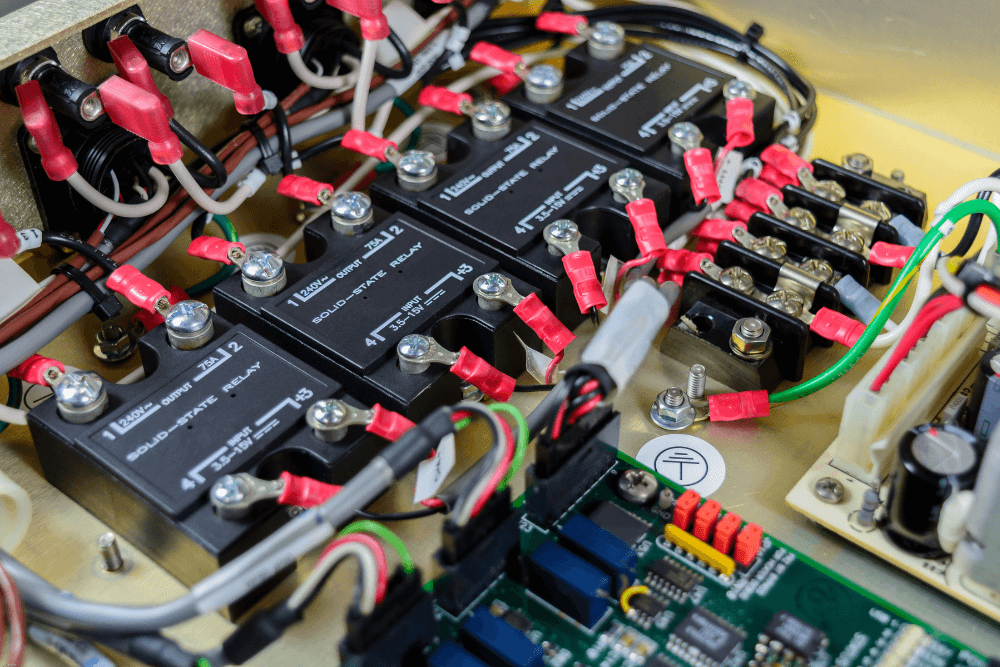
In most cases, the answer is no. AC SSRs aren’t designed to handle continuous DC current and can malfunction or cause safety issues when used improperly. This article explains why AC SSRs fail in DC applications and guides you on selecting the right solutions to ensure safe, reliable switching for your DC loads. Keep reading to learn how to protect your system and make informed choices.
Understanding The Basics Of AC And DC Solid State Relays
What Is An AC SSR?
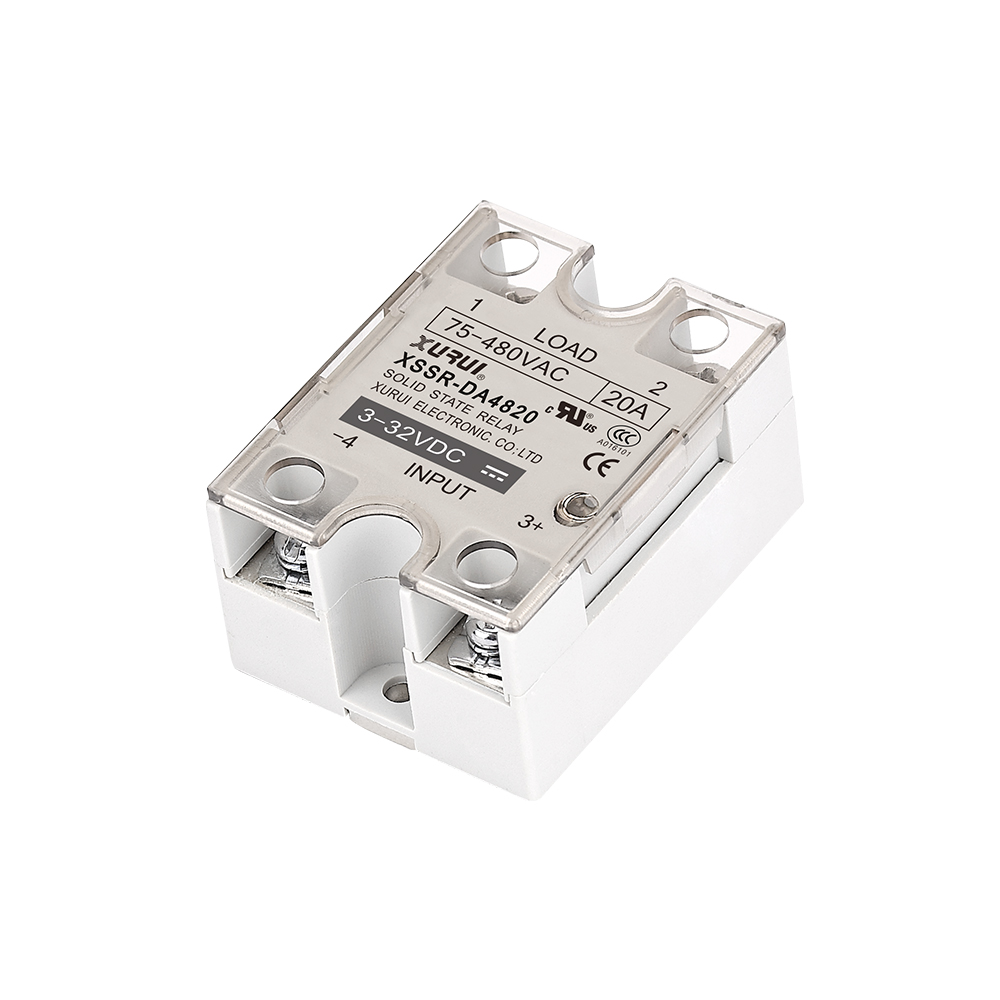
An AC solid state relay is a device primarily built to control alternating current (AC) circuits. Internally, it uses components such as TRIACs or thyristors. These components allow the relay to switch AC loads efficiently by turning off current when the AC waveform naturally passes through zero volts.
This zero-crossing switching reduces electrical noise and stress on the device, enhancing its durability and reliability in AC applications.
What Is A DC SSR?
A DC solid state relay is designed specifically for direct current (DC) circuits. Unlike AC SSRs, it uses MOSFETs or transistors, which can switch DC loads safely and reliably.
Since DC current flows continuously without a zero-crossing point, DC SSRs are engineered to interrupt current flow without relying on the natural zero crossing, making them ideal for controlling DC-powered equipment and systems.
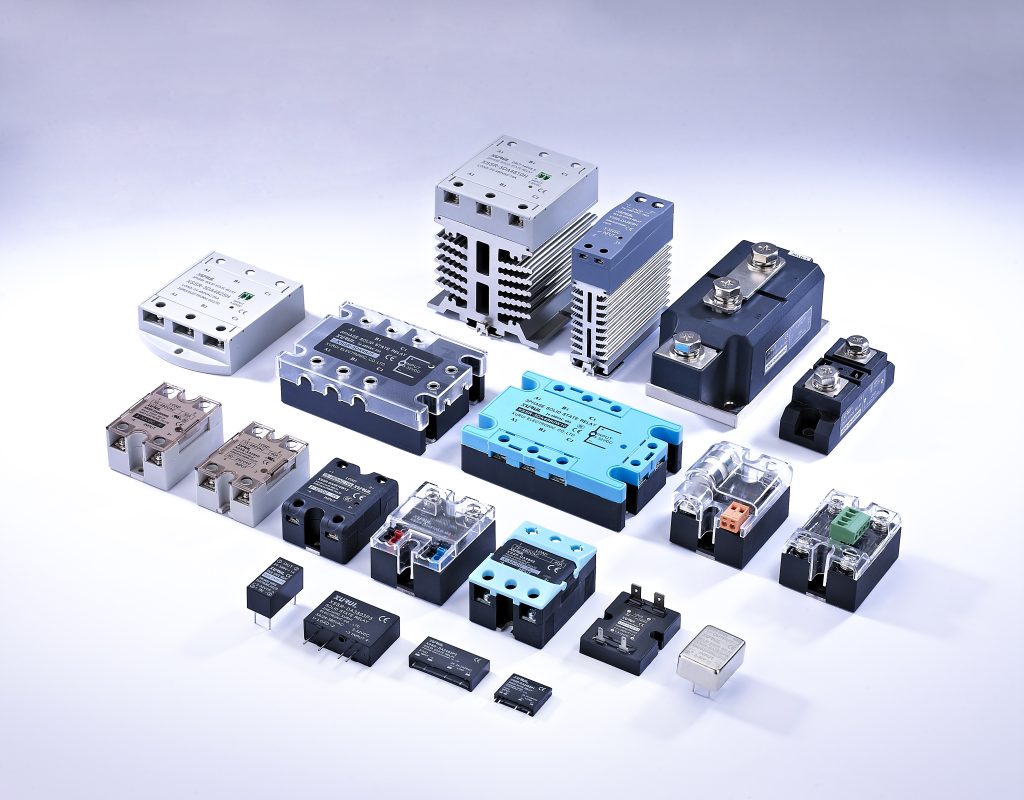
Why AC SSRs Are Not Ideal For DC Loads
The Zero Crossing Challenge
AC SSRs switch off when the AC current naturally drops to zero during each cycle. DC current is continuous and does not have zero crossing, meaning an AC SSR cannot turn off effectively in a DC circuit.
Common Problems When Using AC SSRs On DC
Failure to Turn Off: AC SSRs often rely on the AC waveform’s zero crossing to interrupt current. In DC circuits, without this zero crossing, the SSR may stay permanently “on” and fail to switch off, causing loss of control over the load.
Overheating: Because the SSR may conduct continuously without proper switching, it generates excess heat. This overheating stresses internal components and can lead to permanent device failure.
High Leakage Current: Even in the “off” state, AC SSRs can leak a small current when used with DC. This unintended current causes energy waste and may trigger unexpected behavior in connected equipment.
Reduced Lifespan: Using AC SSRs outside their intended AC application subjects them to abnormal stress. This misuse shortens the relay’s operational life and compromises system reliability.
Safety Risks: Improper use of AC SSRs on DC loads increases risks of fire hazards and damage to both the relay and connected devices, potentially leading to costly and dangerous failures.
How To Choose The Right SSR For Your DC Application
Use DC-Rated SSRs Whenever Possible
For safe and reliable DC switching, always choose SSRs specifically rated for DC applications. These devices typically use MOSFETs or transistors, enabling them to handle continuous current without needing zero crossing.
Using DC-rated SSRs ensures proper operation, longer lifespan, and system safety.
Consider Load Characteristics
Before selecting an SSR, carefully assess your load type and electrical demands. Resistive loads like heaters are simpler, but inductive loads such as motors or solenoids generate voltage spikes when switched.
For these, protective components like flyback diodes or snubber circuits are essential to prevent damage and ensure stable performance.
What If You Only Have An AC SSR? Are There Any Workarounds?
Temporary Low-Voltage Use
In situations with very low DC voltage and current, an AC SSR might function temporarily. However, this is only a short-term solution and not suitable for continuous or high-power applications due to the inherent limitations of AC SSRs with DC loads.
Adding Protective Components
Incorporating protective elements such as snubber circuits or series resistors can help reduce switching transients and voltage spikes. Nonetheless, these additions do not address the core issue—the lack of zero crossing—so they cannot fully compensate for using an AC SSR on DC.
Alternative Switching Solutions
For reliable and safe DC switching, consider the following options:
- Mechanical relays or contactors specifically rated for DC loads, which provide true physical isolation.
- MOSFET-based DC switches that offer fast, efficient, and robust control.
- Solid state DC contactors designed to handle the continuous nature of DC current.
These alternatives deliver better performance and durability for DC applications than AC SSRs.
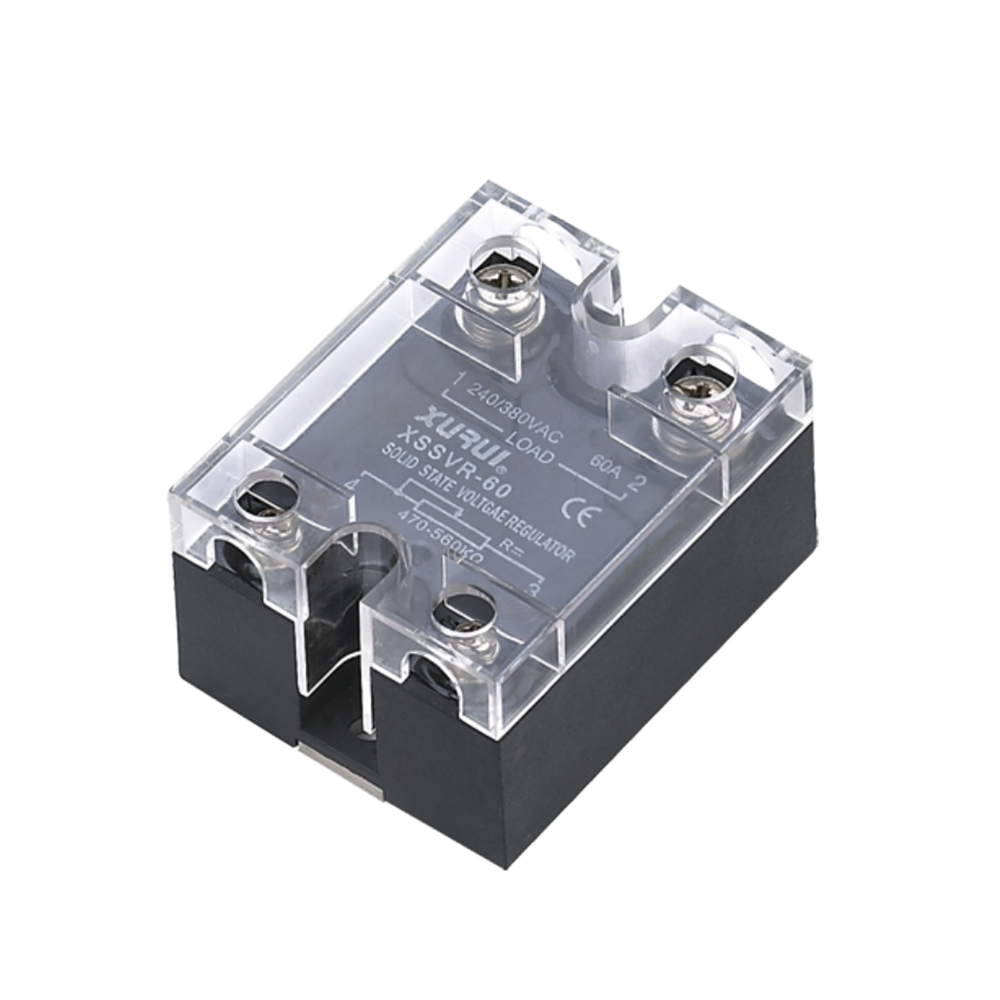
Key Application Scenarios For DC SSRs
Solar Power Systems And Battery Management
DC SSRs play a critical role in renewable energy setups, providing reliable switching for photovoltaic arrays and battery packs to optimize performance and safety.
DC Motor Control
Used widely in electric vehicles, conveyor systems, and industrial motors, DC SSRs enable precise, wear-free control, improving efficiency and reducing maintenance.
LED Lighting Systems
For DC-powered LED arrays and lighting controls, DC SSRs provide quiet, flicker-free switching with long service life.
Industrial Automation And Mixed Load Environments
When controlling a mix of resistive and inductive DC loads, selecting the right SSR and incorporating necessary protection ensures consistent, stable operation in industrial settings.
Practical Tips For Safe And Reliable SSR Use
Always Check Datasheets And Manufacturer Specifications
Before installing any SSR, verify that it is rated for your specific voltage, current, and load type. Operating within specifications prevents premature failure and ensures safety.
Proper Installation And Heat Management
Follow manufacturer wiring guidelines carefully. Provide adequate heat sinking or cooling as SSRs generate heat during operation, and poor heat management can drastically reduce lifespan.
Monitor Performance
Regularly inspect SSRs for signs of overheating, failure to switch, or abnormal leakage current. Early detection and timely replacement prevent equipment damage and downtime.
Conclusion
AC SSRs are not suitable for DC loads and can cause failure or safety risks. Always use DC-rated SSRs or mechanical relays for DC switching to ensure reliable and safe operation.
Proper installation and maintenance are also essential for long-lasting performance.