
An SSR wholesale program should start with demand fit, controlled SKU depth, and landed cost pricing, not the lowest unit price.
SSR margin improves when each stocked part ties to load type, buyer segment, thermal requirement, and replenishment rule. This article covers price tiers, stock planning, and risk controls.
How Should Distributors Match SSR Demand to Real Buyers?
Confirm demand fit before quoting or stocking anything. Segment SSR demand by load type first, then by industry, because both factors change the SKU mix, certificate requirements, and price tolerance.
A broad SSR catalog looks useful, but broad stocking can trap cash in slow variants. A tighter catalog gives distributors a cleaner quote path, faster replenishment, and fewer dead stock decisions.
Load and Switching Profile
Resistive heating loads, inductive motor loads, and DC loads do not use the same SSR selection logic. Rated current, surge behavior, control voltage, isolation, and trigger mode all affect the part number a distributor should carry.
Zero cross triggering suits common resistive heating applications. Random turn on suits phase angle control and some inductive applications. DC loads need SSRs designed for DC interruption, because DC arcs and turn off behavior differ from AC. Treat AC and DC SSR use as the first stocking split before adding current bands.
Industry Buyer Profile
Map SSR demand to real customer groups such as panel builders, process heating accounts, photovoltaic projects, and general industrial control buyers. Each buyer group may need a different balance of price, certificate scope, traceability, and replacement availability.
Medical and photovoltaic buyers may require tighter document checks and batch traceability. General industrial control buyers may accept standard catalog parts when the load, thermal design, and certificate scope are clear. Stock to the accounts already producing repeat quotes, not to every possible market.
What Pricing Model Protects SSR Wholesale Margin?
Price tiers should protect real margin, not only move volume. Build each tier around landed cost, order concentration, and quote controls.
Landed Cost Before Discount
A wholesale price can damage quarterly margin when freight, currency, warranty, and carrying cost sit outside the tier. Buyers often compare solid state and electromechanical relays by unit price first, so the tier must price thermal support, replacement availability, and document risk.
Order Concentration and Tier Control
Tie discounts to order volume and SKU concentration together. A buyer ordering 500 pieces across 20 mixed SKUs costs more to serve than a buyer ordering 500 pieces across two locked SKUs. The tier structure should reward the order profile that reduces picking, replenishment, and dead stock risk.
Wholesale Price Tier Model
Wholesale price tier model (planning example only):
| Tier | Order profile | Margin position | Lead time commitment | Best fit |
|---|---|---|---|---|
| Spot or sample | Under 50 pcs, mixed SKUs | Highest margin rate | From available stock | New accounts, testing, urgent replacement |
| Standard wholesale | 50 to 500 pcs, concentrated SKUs | Mid margin rate | Stock plus scheduled replenishment | Repeat panel builders |
| Project or contract | 500+ pcs, locked SKUs | Lower rate, higher volume | Scheduled order or MOQ plan | OEMs, large installations |
The tier table is not published pricing. Confirm supplier MOQ, live quote, freight, duty, payment terms, and warranty reserve before publishing any customer price.
Which SSR Specs Should Distributors Lock Before Stocking SKUs?
Spec control keeps SSR stock financeable and quote-ready. Lock core parameters first, then check series fit, thermal cost, and parameter spread.
Core Parameter Lock
Specifications decide inventory breadth and unit cost. Pin every core parameter before adding an SSR to the distributor catalog, because each loose variable adds stock and financing risk.
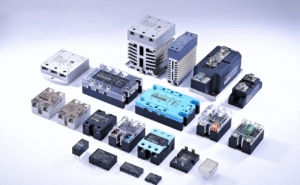
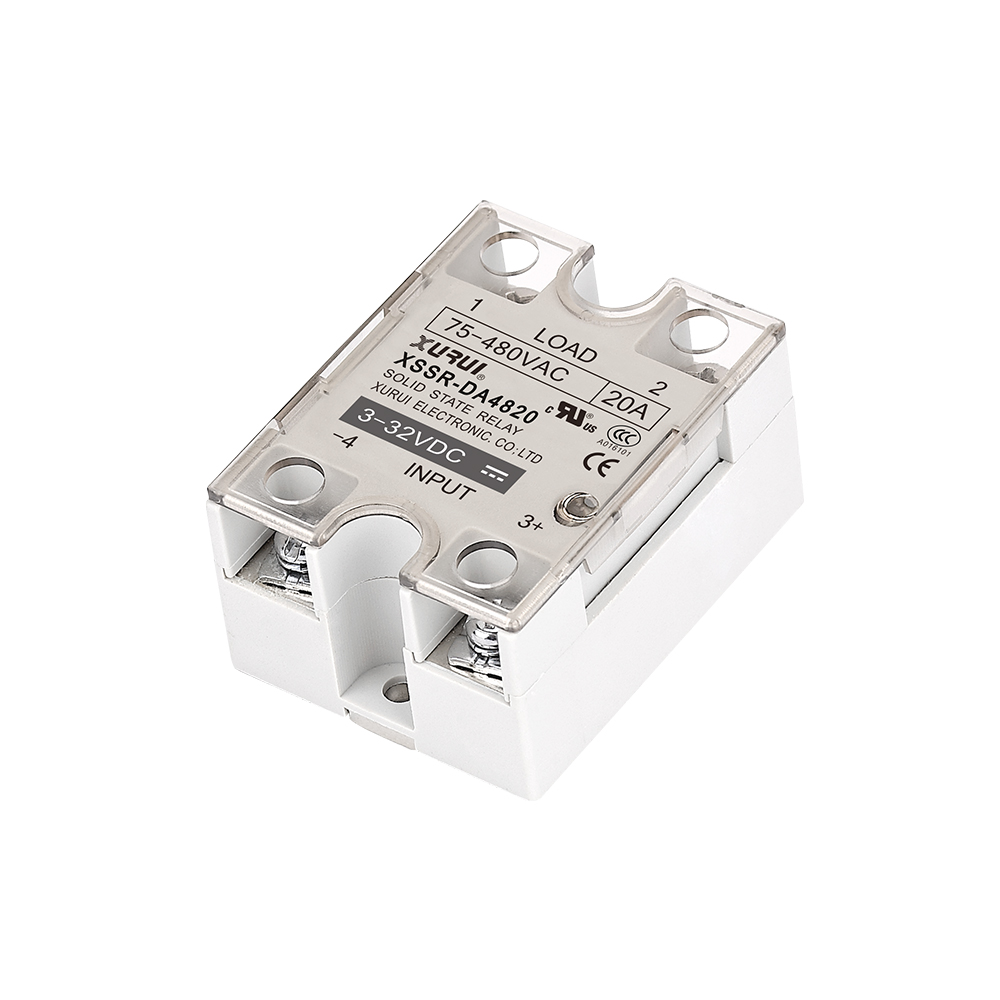
Core parameters include load voltage, load current, control voltage, trigger mode, isolation type, mounting format, and thermal accessory needs. When reviewing Xurui’s solid state relay category, keep on and off SSR families separate from XSSVR voltage regulators in ordinary relay replacement lists.
Series Fit and Product Separation
Use product series only where the technical need matches. XSSR-W, XSSR-M, XSSR-P, XSSR-3, and XSSR-H families support different current bands, mounting needs, and single phase or three phase use cases. XSSVR voltage regulators serve phase angle AC voltage control and should not replace a standard on and off SSR without a clear application reason.
For compact panel accounts, the XSSR-W6 Solid State Relay Series is a useful example because Xurui documents a patented horizontal housing, AC optocoupler isolation, DC transformer isolation, and selectable triggering options. Treat those points as XSSR-W6 facts, not blanket claims for every SSR series.
Heatsink and Derating Cost
SSRs shed heat, and current capacity changes with temperature. Selling a relay without the needed thermal path can lead to overheating, nuisance downtime, returns, and warranty cost.
Stock thermal pairings as part of the SKU decision. High current SSR orders often need a matched SSR heatsink, while lower current or intermittent loads still need thermal checks before the distributor adds another accessory SKU.
Parameter Spread and Stock Cost
Each added voltage, current band, trigger mode, or mounting format expands inventory. Three current bands across two control voltages and two trigger modes create 12 stocking lines before any custom request enters the catalog.
Start with a narrow core catalog and expand only when demand data proves repeat turns. Broad selection can look like better service, but low movement variants tie up working capital and make quarter end write downs more likely.
Specification reference (planning bands):
| Rated current band | Load type | Triggering direction | Thermal decision | Common use |
|---|---|---|---|---|
| Up to 25 A | AC resistive loads | Usually zero cross | Check load profile | Heating, ovens, small control panels |
| 25 to 60 A | AC resistive or inductive loads | Zero cross or random turn on | Usually requires sizing | Industrial heaters, medium loads |
| Up to 10 A | DC loads | DC rated switching | Check temperature rise | PV, battery, control circuits |
| 60 A and above | AC high current loads | Usually zero cross | Size relay and heatsink together | Process heating, large panels |
How Can SSR Stock Planning Avoid Frozen Cash?
Stock planning should separate repeat demand from customer specific inventory. Pool related SKUs so cash does not sit in low movement variants.
Fast Movers, Project Parts, And Slow Variants
Hold buffer stock only where repeat demand and lead time risk both justify the carrying cost.
Use separate rules for fast movers, project parts, and slow variants. Fast movers can carry min and max levels. Project parts should follow customer schedules or supplier MOQ. Slow variants should move to spot order unless a real account shows repeat usage.
Stock Pooling by Voltage and Current Band
Review similar voltage and current bands together instead of buffering every variant in isolation. This stock pooling approach reduces duplicate safety stock and gives buyers faster coverage without forcing every branch or warehouse to carry the same slow SKUs.
What Risks Should SSR Distributors Control After the Sale?
Distributor risk usually appears after the sale: delayed replenishment, missing documents, thermal failures, currency movement, or obsolete stock. Assign one control owner to each risk layer.
Supply and Lead Time Risk
Dual source critical SSR SKUs where interruption would stop customer fulfillment. Compare MOQ, lead time, certificate scope, and communication speed together, because a lower unit price can fail when replacement stock arrives too late.
Xurui has held independent import and export rights since 2008 and sells globally. Distributors should still confirm export documents, ordered series, and shipping details per order.
Quality and Compliance Risk
Separate supplier management certificates from product certificates. ISO 9001 supports supplier quality management. CE, UL, TÜV, RoHS, CCC, and other product claims need scope checks by SSR series and order.
Run incoming sampling against the ordered part, load rating, control voltage, terminal marking, certificate scope, and packaging label. Buyer education can explain relay type differences, but incoming inspection should follow the purchased SSR series and shipment documents.
Financial and Obsolescence Risk
Build currency buffer, warranty reserve, carrying cost, and clearance rules into the tier model before quoting. Margin should cover the real cost of holding and supporting the part, not only the supplier invoice.
Set a dead stock rule before stock ages. If a SKU misses two review cycles without movement, stop automatic replenishment and move the part to spot order, bundled clearance, or customer specific restock only.
How Does a Landed Cost Worksheet Protect Quotes?
Use this worksheet to find the price floor and decide when a quote no longer fits margin. Replace every input with live supplier and internal cost data.
Price Floor Worksheet
Calculate the landed loaded cost before quoting.
| Line item | Planning input | Decision rule |
|---|---|---|
| Supplier unit price | Live FOB or EXW quote | Confirm by tier, MOQ, and series |
| Freight and duty per unit | Current lane estimate | Allocate by carton weight or volume |
| Currency buffer | Internal finance rate | Adjust when exchange risk changes |
| Warranty reserve | Return rate assumption | Tie to actual field returns |
| Carrying cost | Annual carrying rate and expected turns | Increase for slow moving SKUs |
| Landed loaded cost | Calculated total | Use as the price floor |
| Target margin | Tier margin rule | Match account type and order profile |
| Wholesale sell price | Final quoted price | Compare with market and support scope |
| Safety stock quantity | Demand and lead time variance | Review by SKU class |
| Safety stock cash tied | Quantity times landed loaded cost | Flag for quarterly review |
Margin Fit Check
If landed loaded cost rises while the market price stays capped, move the SKU to spot order instead of discounting margin below the support cost.
What Mistakes Drain Distributor Margin?
These mistakes rarely show up in one order. The damage appears across a quarter through returns, trapped cash, and weaker account trust.
- Selling high current SSRs without checking the heatsink plan.
- Letting every quote request become a stocked SKU.
- Building price tiers from unit price instead of landed loaded cost.
- Treating medical, photovoltaic, and general industrial buyers as the same document risk.
- Accepting certificate claims without checking series scope.
- Reordering slow variants because the catalog looks incomplete without them.
FAQs
How should a new distributor choose the first SSR SKUs?
New distributors should start with a narrow SSR core: one or two load types, the main current bands that repeat, and one control voltage range that matches active accounts. Expanded SKUs should wait until purchase history shows turns. This approach prevents cash from sitting in variants that look useful but do not move.
Should distributors bundle heatsinks with SSRs?
Bundle heatsinks with higher current SSR orders when derating decides reliability, because the relay and thermal path work as one selection. Keep replacement heatsinks as separate SKUs for service demand. This split protects new installations from overheating risk while still serving maintenance buyers who only need the accessory.
How should distributors set MOQ for project tier SSR customers?
Set project tier MOQ from three inputs: supplier production batch, locked SKU list, and the delivery schedule the customer expects. A low MOQ may win the order but raise unit cost and replenishment risk. Lower margins make sense only when the customer commits to repeated, predictable pulls.
What certificates should medical or photovoltaic SSR buyers request?
Medical, photovoltaic, and export buyers may need product certificates that match the claimed SSR series, plus shipment documents such as packing list, invoice, and batch traceability records. ISO 9001 supports supplier quality management. CE, UL, TÜV, RoHS, or CCC claims still need scope checks by series and order.
How can distributors compete with low priced online SSR sellers?
Distributors should not match low priced marketplace offers unless the parts, certificate scope, thermal support, and replacement path also match. A cheaper SSR can become expensive when the load runs hot, documentation fails inspection, or a replacement is unavailable. Sell the verified package, not only the relay body.
How often should distributors review SSR safety stock?
Review fast moving SSR safety stock monthly and slow moving variants quarterly. The review should compare turns, lead time changes, open quotes, returns, and customer forecast updates. If a SKU misses two review cycles without movement, stop automatic replenishment and move the part to spot order or clearance status.
XURUI Engineering Team