Waterproof Micro Switch Guide: IP Ratings, Sealing and Selection
A waterproof micro switch must maintain predictable electrical and mechanical performance when moisture, dust, oil, cleaning processes or outdoor exposure affect the assembly. The correct choice depends on more than the IP number printed on a datasheet.
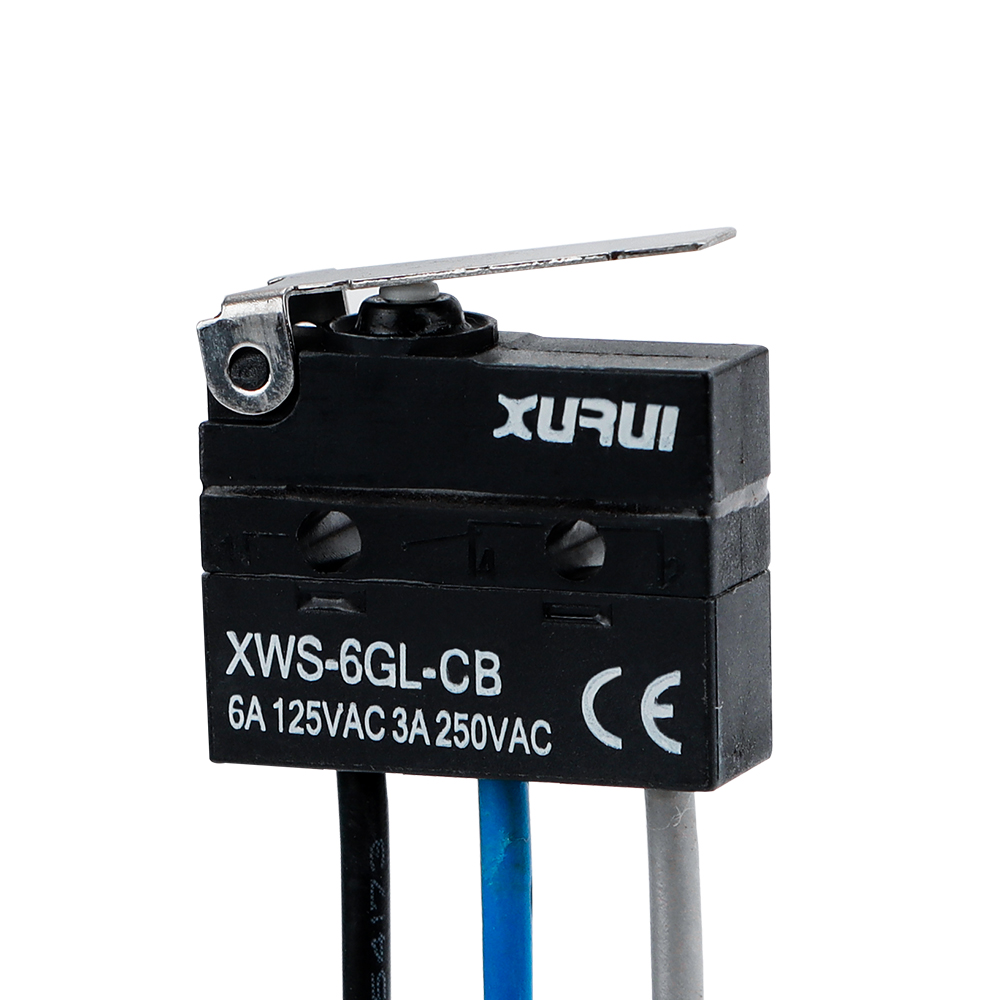
A waterproof micro switch must maintain predictable electrical and mechanical performance when moisture, dust, oil, cleaning processes or outdoor exposure affect the assembly. The correct choice depends on more than the IP number printed on a datasheet.
Why the complete assembly matters
The housing joint, actuator seal, cable exit, terminal construction and mounting method form one protection system. A sealed body can still fail if the cable is pulled, the actuator becomes a water trap or the installation exposes the switch to pressure beyond its test condition.
How to interpret IP ratings
The first digit addresses solid-particle protection and the second addresses water protection. IP65 is commonly associated with dust-tight construction and protection against water jets; IP67 adds a temporary-immersion test. Neither automatically proves suitability for chemicals, high-pressure washdown, long-term submersion or outdoor UV exposure.
Electrical load and contact life
Contact life depends on actual load type, inrush current, switching frequency and arc energy. A switch rated for a resistive load may require substantial derating for motors, solenoids or capacitive loads. Low-level signal applications also need contact materials and minimum-load behavior to be considered.
Actuator, force and overtravel
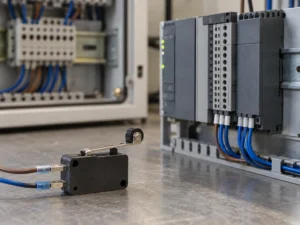
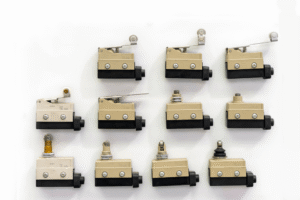
Choose the actuator from target motion and tolerance. Roller levers can reduce sliding wear, while plungers suit direct linear movement. The mechanism should provide reliable actuation and controlled overtravel without using the switch as a physical stop.
Five-point RFQ checklist
Provide the exposure condition, electrical load, actuator movement, installation space and required approval. Add annual quantity, cable or terminal preference and a photo or drawing of the mechanism. This gives the supplier enough information to propose a model that can be tested rather than guessed.
Frequently asked questions
Is IP67 always better than IP65?
No. The correct rating depends on the actual exposure, mounting, cable construction and maintenance environment.
Can a waterproof micro switch be used outdoors?
Potentially, when temperature, UV, condensation, cable sealing and enclosure design are also suitable.
Should I select only from current rating?
No. Load type, inrush, contact material, switching frequency and minimum signal level can all change life and reliability.