Solid State Relay Selection Guide: Load, Current, Heat and Protection
A solid state relay has no moving power contacts, but it is not a simple drop-in current block. Correct selection depends on the input, output device, load, surge, switching method and thermal path.
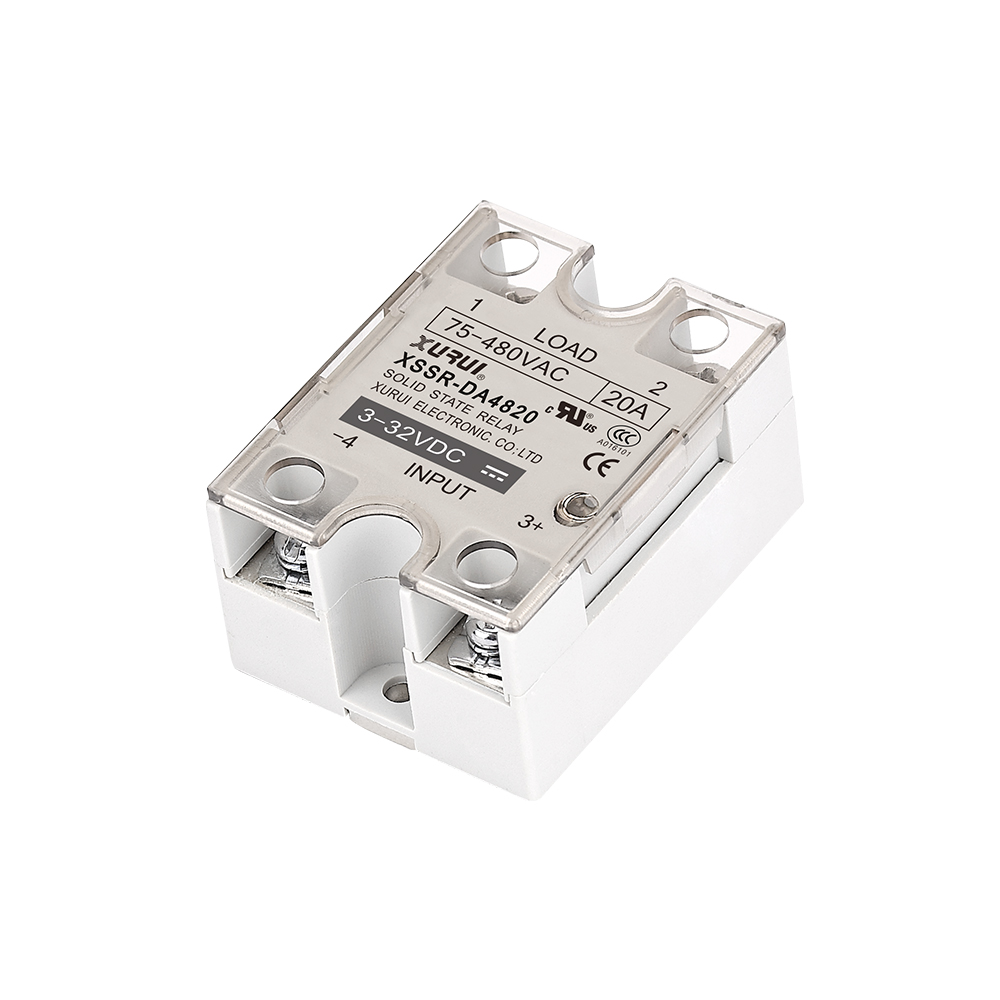
A solid state relay has no moving power contacts, but it is not a simple drop-in current block. Correct selection depends on the input, output device, load, surge, switching method and thermal path.
Define the load before the relay
Identify AC or DC load, resistive, inductive or capacitive behavior, nominal current, inrush current, operating voltage and switching frequency. Heater banks, motors and transformers can require very different margins.
Choose the switching method
Zero-cross switching reduces electrical noise for many resistive AC loads. Random-on switching is used when the load must turn on at any point in the waveform. Phase-angle control is used for variable power but creates additional thermal and EMC considerations.
Calculate thermal performance
The relay dissipates heat from its on-state voltage drop. Use the datasheet thermal resistance, expected current, ambient temperature, heatsink and enclosure airflow to estimate junction temperature. Then verify the design under the real duty cycle.
Add circuit protection
A fast semiconductor fuse, overvoltage suppression, snubber or other protection may be required. Protection depends on the output technology and load. The SSR should not be expected to survive every short circuit without a coordinated protective device.
Specify the complete assembly
An RFQ should include input signal, output voltage, load type, continuous and surge current, switching frequency, ambient temperature, mounting method, heatsink and target approvals.
Frequently asked questions
Can I size an SSR at exactly the load current?
That is usually poor practice. Use application-specific derating and thermal verification.
Why does an SSR stay warm when on?
The semiconductor has an on-state voltage drop, so current produces heat that must be conducted to a heatsink and air.
Can a PLC drive an SSR?
Often yes, when the SSR input range and current are compatible with the PLC output and the off-state behavior is acceptable.