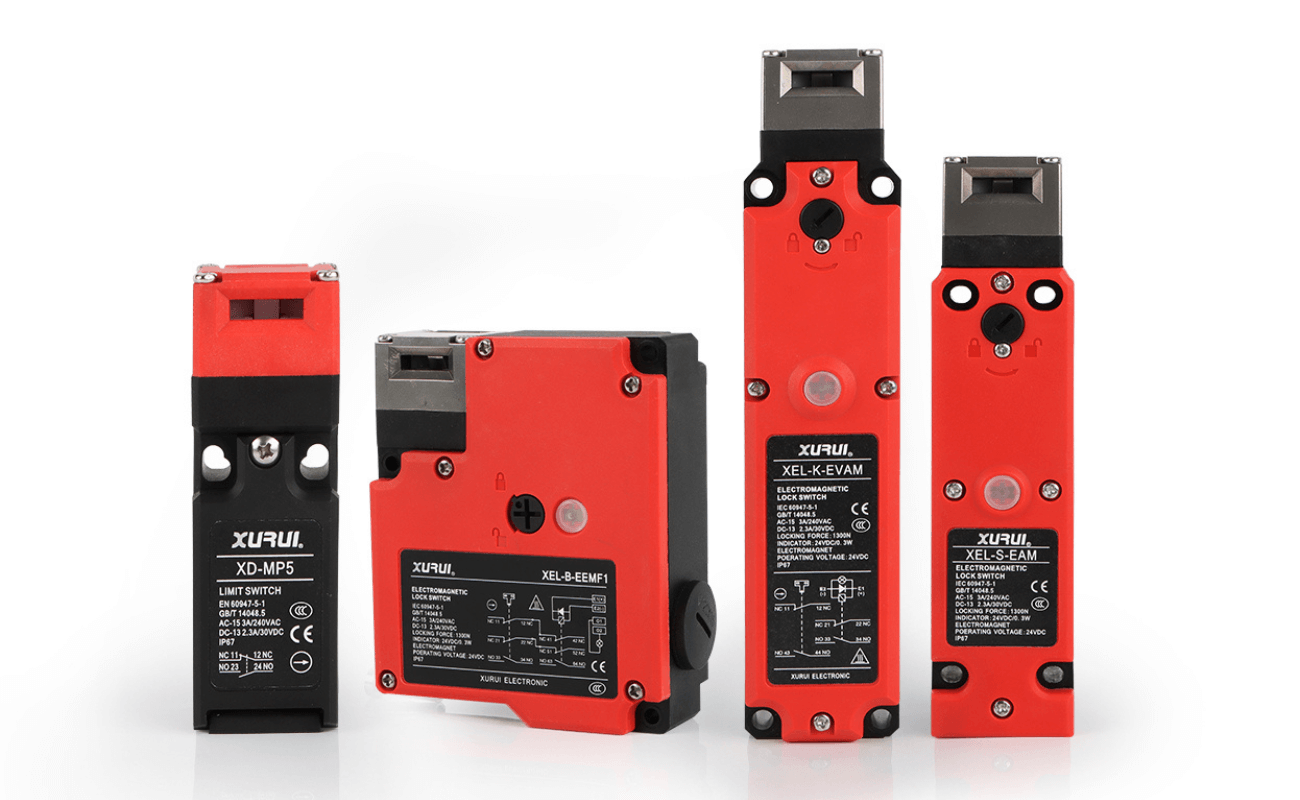
Safety switches and interlocks may seem similar at first, but they serve different purposes and work in different ways. If you are not sure which one is right for your system, this article will explain the difference clearly and help you make a smart, safe choice.
Understanding The Core Difference
At a glance, both devices aim to protect people and equipment. However, they do so using different approaches and at different points in the process.
| Feature | Safety Switch | Interlock |
| Main Function | Manually disconnects electrical power | Automatically prevents unsafe actions |
| Control Type | Manual (human-operated) | Automatic (mechanical or electrical) |
| Primary Purpose | Electrical isolation | Safety enforcement or access control |
| Common Use | Maintenance, lockout/tagout, HVAC, motors | Machine doors, covers, panels |
In short: A safety switch disconnects power when you decide to stop a machine. An interlock prevents the machine from operating in the first place if conditions are unsafe.
What A Safety Switch Does — Manual Power Isolation
A safety switch gives users a way to manually cut power to a piece of equipment. This is especially important during servicing, repairs, or emergency situations. It ensures that the equipment is completely de-energized before anyone comes into contact with it.
How It Works
When you activate a safety switch, it physically opens the electrical circuit. This stops the flow of electricity, eliminating the risk of electric shock, short circuits, or unintentional machine movement during maintenance.
Where You’ll Commonly See It
- Disconnecting power to home generators or HVAC units
- Isolating motors or control panels during repair
- Serving as an emergency shutoff in workshops and industrial settings
Key Benefits of Safety Switches
- Clear visual control: Users can see whether the power is on or off, making operation more transparent
- Manual confidence: The ability to physically cut power gives operators peace of mind before working on a system
- Compliance with regulations: Safety switches are often required by OSHA and NFPA for lockout and tagout procedures
- Low maintenance: These devices are typically durable and require minimal upkeep, making them ideal for both home and industrial use
- Versatile placement: Can be mounted near machines, walls, or outdoors using weatherproof enclosures
Related Reading: What is the Function of a Safety Interlock Switch?
How An Interlock Works To Keep You Safe
Unlike a safety switch, which you control directly, an interlock prevents you from making mistakes in the first place. It acts automatically, stopping a machine or preventing access unless a certain condition is met.
What It Means
An interlock links two or more machine states together. It ensures that one action cannot happen unless another has been completed safely. For example, an interlock may prevent a door from opening unless the machine is powered down, or it may block a motor from starting unless all safety covers are closed.
Types of Interlocks
- Mechanical interlocks: These use physical parts such as latches or keys to restrict access
- Electrical interlocks: These use relays or wiring logic to control sequences and access
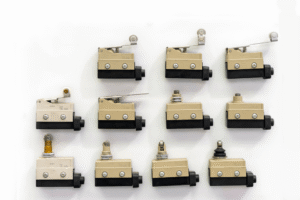
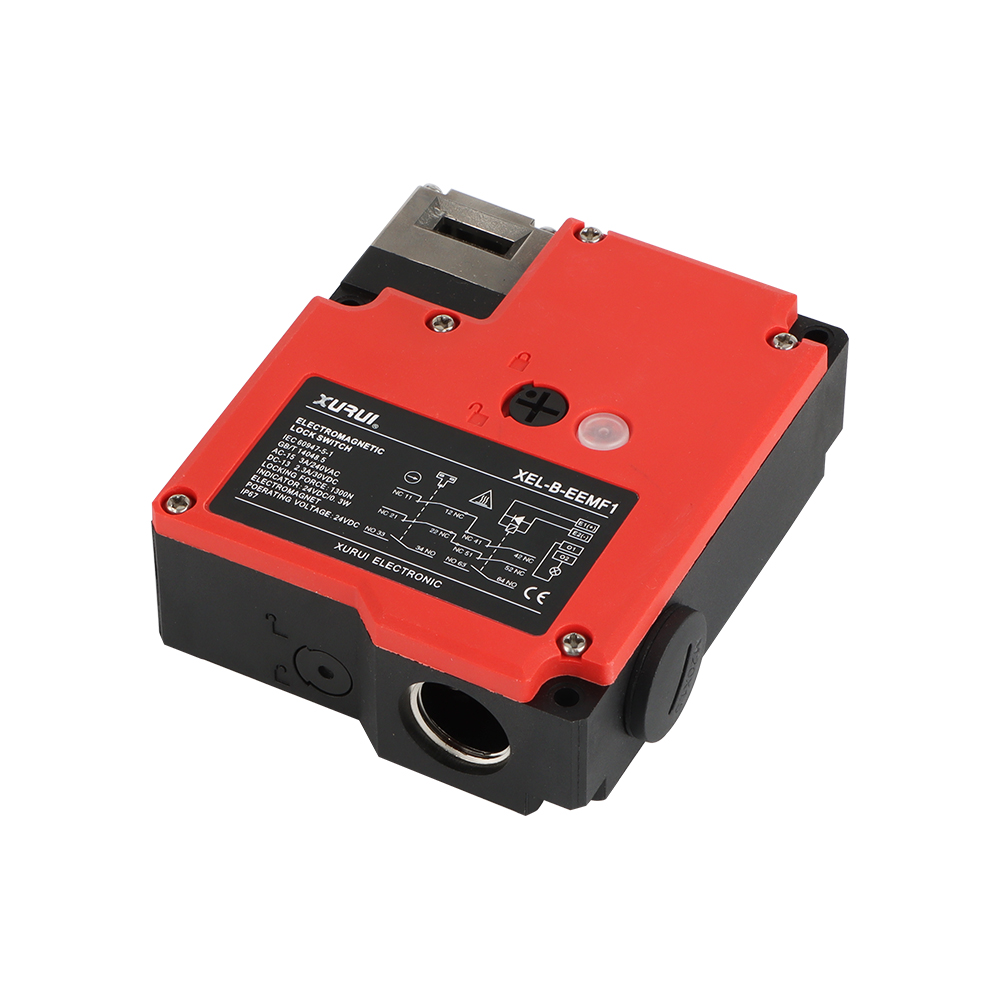
- Safety interlock switches: These are certified safety devices that combine mechanical blocking and electrical logic to prevent unsafe conditions. A certified Safety Interlock Switch is commonly used in automated systems and industrial machines to help meet safety standards such as ISO 14119, IEC 60204, and OSHA 1910.147
Real-World Examples
- Microwaves that refuse to start unless the door is fully closed
- Washing machines that lock during spin cycles to avoid injury
- Factory machines that stop if the safety guard is lifted
- Electrical panels that cannot be opened while voltage is present
Key Benefits of Interlocks
- Automated safety: No need for manual control. Protection happens by default
- Built-in logic: Interlocks are integrated into the equipment’s control system, minimizing the risk of operator error
- Accident prevention: Interlocks act before an unsafe event can occur, offering a higher level of proactive protection
- Regulatory alignment: Many industries require interlocks as part of their compliance standards
- Ease of integration: These systems can be added to both new and existing machines using standard electrical or mechanical components
Tip: When choosing an interlock, make sure it cannot be bypassed easily. Look for tamper-resistant models and test them regularly to confirm they are functioning as expected.
Related Reading: What are the 6 types of limit switches?
Real‑World Comparison: Manual vs. Automatic Protection
| Aspect | Safety Switch | Interlock |
| Control Method | Manual control by the user | Automatic response based on system status |
| Activation Timing | After you decide to stop the machine | Before any unsafe action can take place |
| Safety Focus | Stops power for service or repair | Prevents dangerous conditions from starting |
| User Interaction | Requires someone to flip the switch | Requires no user input once set up |
| Ideal Use Case | Maintenance and service access | Guarding during machine operation |
While these devices serve different purposes, they are often used together to create a complete safety system.
Choosing The Right Device For Your Setup
When To Use A Safety Switch
- You need a physical method to disconnect power before working on equipment
- Maintenance or inspection is performed frequently
- You are following a lockout or tagout safety program for compliance
When To Use An Interlock
- You want to restrict access or function based on machine status
- Your equipment involves moving parts or electrical hazards
- You want automatic prevention without relying on people to follow manual steps
When To Use Both Together
In many systems, especially industrial environments, both are used in combination.
The interlock keeps the system safe while it is operating, and the safety switch ensures the system is safe to work on when powered down.
This two-layer protection approach reduces risk, prevents misuse, and improves workplace safety across all levels of operation.
Installation and Maintenance Tips
For Safety Switches
- Mount them in visible, accessible locations
- Use weather-rated enclosures if installed outdoors
- Clearly label ON and OFF positions to avoid confusion
- Inspect quarterly for wear, rust, or loose connections
- Always lock them out before beginning work on equipment
For Interlocks
- Test locking mechanisms and sensors during routine inspections
- Keep physical components clean and unobstructed
- Update control logic settings if the equipment is modified
- Do not override or bypass interlocks without following safety procedures
Final Thoughts:
Interlocks and safety switches are both important, but they are designed for different stages of machine safety. One helps you prevent unsafe actions automatically, while the other gives you manual control when it is time for maintenance.
Using them together provides a more complete safety solution. By understanding how each one works, you can choose the right device and protect both people and equipment more effectively.
XURUI Engineering Team