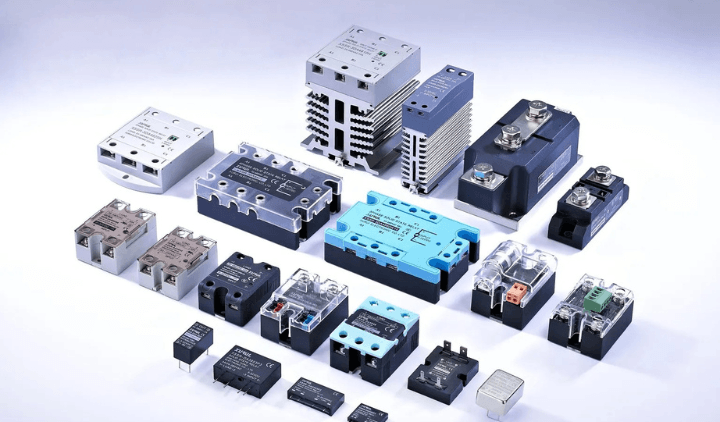
A solid state relay is known for fast switching, quiet operation, and long service life. But like any electronic component, it needs the right protection to work safely and reliably. Heat, overcurrent, voltage spikes, poor wiring, and wrong load matching can all shorten its lifespan. This guide explains how to protect a solid state relay in real applications, especially when it is used in heating systems, motors, industrial controls, lighting, and automation equipment.
Why A Solid State Relay Needs Protection
A solid state relay does not have moving contacts like a mechanical relay. Instead, it uses semiconductor components to switch the load on and off. This gives it several advantages, including silent operation, fast response, and reduced mechanical wear.
However, the same semiconductor structure also makes it sensitive to certain electrical and thermal risks. A solid state relay can be damaged by excessive current, high temperature, voltage transients, incorrect load type, or poor installation. In many cases, the relay may fail in a shorted state, which means the load could remain powered even when the control signal is off.
That is why protection is not optional. It is part of proper SSR design. A protected solid state relay can run more consistently, reduce downtime, and improve the safety of the whole control system.
Choose The Right Solid State Relay For The Load
Match The Current Rating Correctly
The first step in protecting a solid state relay is choosing one with the correct current rating. A common mistake is selecting an SSR based only on the normal running current of the load. In real use, many loads draw more current during startup.
For example, motors, heaters, lamps, and power supplies may create inrush current that is much higher than the rated operating current. If the solid state relay is not sized for that surge, it may overheat or fail early.
A safer approach is to choose an SSR with enough current margin. For continuous operation, many applications use a relay rated higher than the actual load current. This helps reduce stress and gives the relay more room to handle temperature changes and startup surges.
Check The Load Type
Not every solid state relay is suitable for every load. Some SSRs are designed for AC loads, while others are made for DC loads. Using an AC SSR on a DC load, or a DC SSR on an AC load, can cause improper switching or permanent failure.
You should also consider whether the load is resistive, inductive, or capacitive. Heating elements are usually resistive loads. Motors, solenoids, and transformers are inductive loads. Power supplies and LED drivers may behave like capacitive loads during startup. Each load type creates different stress on the relay, so the selected solid state relay should match the real working condition.
Control Heat Before It Damages The Relay
Use A Proper Heat Sink
Heat is one of the biggest threats to a solid state relay. Even when the relay is working normally, it produces heat because of internal voltage drop. The higher the load current, the more heat the SSR must dissipate.
A heat sink helps move heat away from the relay body. Without proper heat dissipation, the internal semiconductor can exceed its safe temperature range. This can reduce performance, shorten lifespan, or cause sudden failure.
When installing a solid state relay, check the manufacturer’s heat sink recommendations. A small relay switching a light load may not need a large heat sink, but a relay controlling a high current heater, motor, or industrial machine usually does.
Apply Thermal Paste Or Thermal Pad
A heat sink only works well when heat can transfer efficiently from the SSR base to the metal surface. If there is an air gap between the relay and the heat sink, thermal performance drops.
Use thermal paste or a thermal pad between the solid state relay and the heat sink. This improves contact and helps heat move more effectively. The relay should also be mounted tightly, but not so tightly that the housing or base is damaged.
Keep The Control Cabinet Ventilated
A solid state relay may be mounted correctly but still overheat if the control cabinet is too hot. High ambient temperature reduces the relay’s ability to cool itself.
Make sure the cabinet has enough airflow. In high temperature environments, consider using ventilation fans, larger enclosures, or additional cooling space between components. Avoid placing the SSR directly beside heat producing devices such as power supplies, transformers, or high wattage resistors.
Protect Against Overcurrent And Short Circuits
Use A Fast Acting Fuse
A fuse is one of the most important protection devices for a solid state relay. Standard fuses may not react quickly enough to protect semiconductor components. For SSR applications, a fast acting semiconductor fuse is often recommended.
This type of fuse is designed to interrupt fault current quickly before it damages the relay. It is especially useful in systems where short circuits or sudden overloads are possible.
The fuse should be selected according to the relay rating, load current, and fault protection requirement. A fuse that is too large may not protect the SSR. A fuse that is too small may blow during normal startup current.
Add Circuit Breaker Protection
A circuit breaker can also be used to protect the wiring and load circuit. However, it should not always be considered a full replacement for a semiconductor fuse. Circuit breakers are usually slower than fast acting fuses.
In many systems, both are used together. The circuit breaker protects the branch circuit, while the fast acting fuse protects the solid state relay from rapid fault current.
Protect Against Voltage Spikes
Use A Varistor For AC Loads
Voltage spikes can damage a solid state relay, especially in industrial environments. These spikes may come from motors, solenoids, transformers, switching power supplies, or unstable power lines.
For AC load applications, a metal oxide varistor, also called an MOV, is commonly used across the load or across the relay output. It helps absorb high voltage spikes and prevents them from reaching a damaging level.
This is especially useful when the solid state relay controls inductive loads. When an inductive load turns off, it can release stored energy and create a voltage surge. An MOV helps suppress that surge.
Use A TVS Diode For DC Loads
For DC circuits, a TVS diode can be used to clamp voltage spikes. It reacts quickly and limits transient voltage to a safer level.
If the solid state relay is controlling a DC motor, solenoid, relay coil, or other inductive DC load, transient suppression is very important. Without it, voltage spikes may exceed the SSR output rating and damage the semiconductor switch.
Consider An RC Snubber
An RC snubber can also be used to reduce voltage transients and electrical noise. It is often used with inductive AC loads or circuits where false triggering is a concern.
A snubber can improve switching stability, but it must be chosen carefully. In some cases, leakage current through the snubber may affect small loads, such as LED lamps or sensitive control circuits.
Related Reading: How to Connect a Solid State Relay
Avoid Incorrect Wiring And Loose Connections
Separate Control And Load Wiring
A solid state relay has two sides: the input control side and the output load side. These should be wired correctly and kept separated when possible.
The control side usually receives a low voltage signal from a controller, PLC, thermostat, or microcontroller. The load side switches a higher voltage or higher current circuit. Mixing these wires carelessly can introduce electrical noise or safety risks.
Keep signal wires away from high current wires. In noisy environments, shielded control cable may help improve signal stability.
Tighten Terminals Properly
Loose wiring can create heat, voltage drop, arcing, or intermittent operation. These problems can stress the solid state relay and damage nearby components.
Make sure the terminals are tightened to the recommended torque. After installation, inspect the wiring again, especially in systems that experience vibration. For industrial equipment, periodic checks are useful because screws and terminals may loosen over time.
Follow Polarity For DC SSRs
Many DC solid state relays are polarity sensitive. If the positive and negative connections are reversed, the relay may not work correctly or may be damaged.
Always check the wiring diagram before powering the circuit. This is especially important when replacing an old relay, because terminal layouts may vary between models.
Use The Right Input Control Signal
Check Input Voltage Range
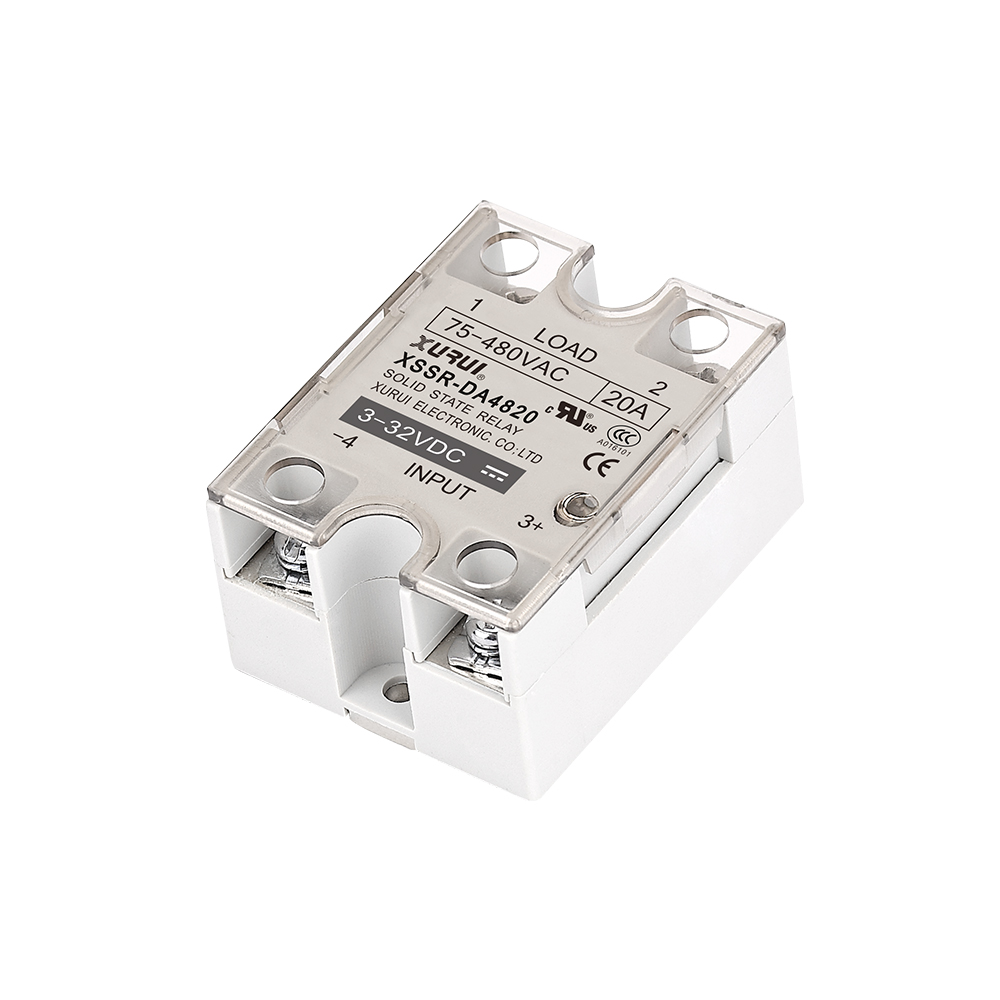
Every solid state relay has an input voltage range. For example, some SSRs accept 3 to 32 VDC input, while others use a different control range. If the input voltage is too low, the relay may not turn on reliably. If it is too high, the input circuit may be damaged.
Before installation, confirm that the controller output matches the SSR input requirement. This is important for PLC outputs, temperature controllers, microcontrollers, and automation boards.
Protect The Control Side From Noise
Electrical noise can cause unstable switching. In some systems, the solid state relay may turn on or off unexpectedly because of interference from motors, contactors, or long signal wires.
To reduce this risk, keep input wiring short when possible. Use proper grounding, shielding, and cable routing. In sensitive systems, additional input filtering may be needed.
Prevent Overheating From Frequent Switching
One reason people choose a solid state relay is that it can switch much faster than a mechanical relay. This is useful for temperature control, lighting control, and automation systems.
However, high frequency switching can still create heat. If the SSR is switching a large load very often, thermal stress may increase. This is common in heater control systems using pulse control.
To protect the relay, make sure the switching frequency is suitable for the SSR and the load. Also verify that the heat sink is sized for the actual operating pattern, not just the load current on paper.
Protect The Relay From Harsh Environments
Keep It Away From Dust And Moisture
Dust, moisture, oil mist, and chemical vapor can affect electrical components over time. A solid state relay installed in a dirty or humid environment should be placed inside a suitable enclosure.
For outdoor or harsh industrial environments, check the enclosure rating and make sure cable entries are sealed. Condensation can also be a problem when equipment moves between hot and cold conditions.
Reduce Vibration Stress
Although a solid state relay has no moving contacts, vibration can still affect wiring, terminals, solder joints, and mounting hardware. Use secure mounting and check that cables are supported properly.
In mobile equipment or machines with strong vibration, consider using locking terminals, cable ties, or vibration resistant mounting methods.
Monitor The Relay During Operation
Check Operating Temperature
After installation, it is smart to check the relay temperature under real load conditions. If the solid state relay becomes too hot to touch, that may indicate poor heat sinking, excessive load current, or insufficient cabinet ventilation.
For critical systems, thermal sensors or temperature monitoring can help detect problems before failure occurs.
Look For Signs Of Electrical Stress
Warning signs may include burnt smell, discoloration, melted wire insulation, abnormal load behavior, flickering, unexpected switching, or repeated fuse failure. These signs should not be ignored.
If the relay fails repeatedly, do not simply replace it with the same model. Check the load current, inrush current, heat sink, voltage spikes, wiring, and ambient temperature. Repeated failure usually means the root cause has not been solved.
Common Mistakes That Damage A Solid State Relay
Using An Underrated Relay
Choosing a relay that barely matches the load current is risky. Always consider current margin, inrush current, and heat.
Installing Without A Heat Sink
A solid state relay may look simple, but high current models often require serious thermal management. Skipping the heat sink is one of the fastest ways to shorten relay life.
Ignoring Voltage Transients
Motors, coils, and transformers can create voltage spikes. Without MOVs, TVS diodes, or snubbers, the SSR may fail even if the current rating looks correct.
Mixing AC And DC Models
An AC solid state relay and a DC solid state relay are not interchangeable. Always match the SSR output type to the load power type.
Forgetting Leakage Current
Most SSRs have a small amount of off state leakage current. This is usually not a problem for large loads, but it may affect LED lights, small relays, or sensitive electronics. In those cases, a bleeder resistor or different relay type may be needed.
Final Thoughts
Protecting a solid state relay comes down to good selection, heat control, surge suppression, overcurrent protection, and careful wiring. The relay should match the load type, current demand, voltage range, and working environment. When these basics are handled correctly, a solid state relay can deliver stable switching, longer service life, and safer operation in both industrial and everyday control systems.
XURUI Engineering Team