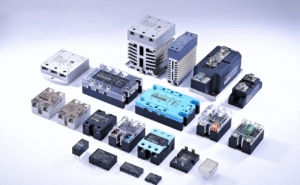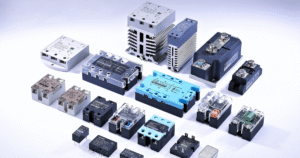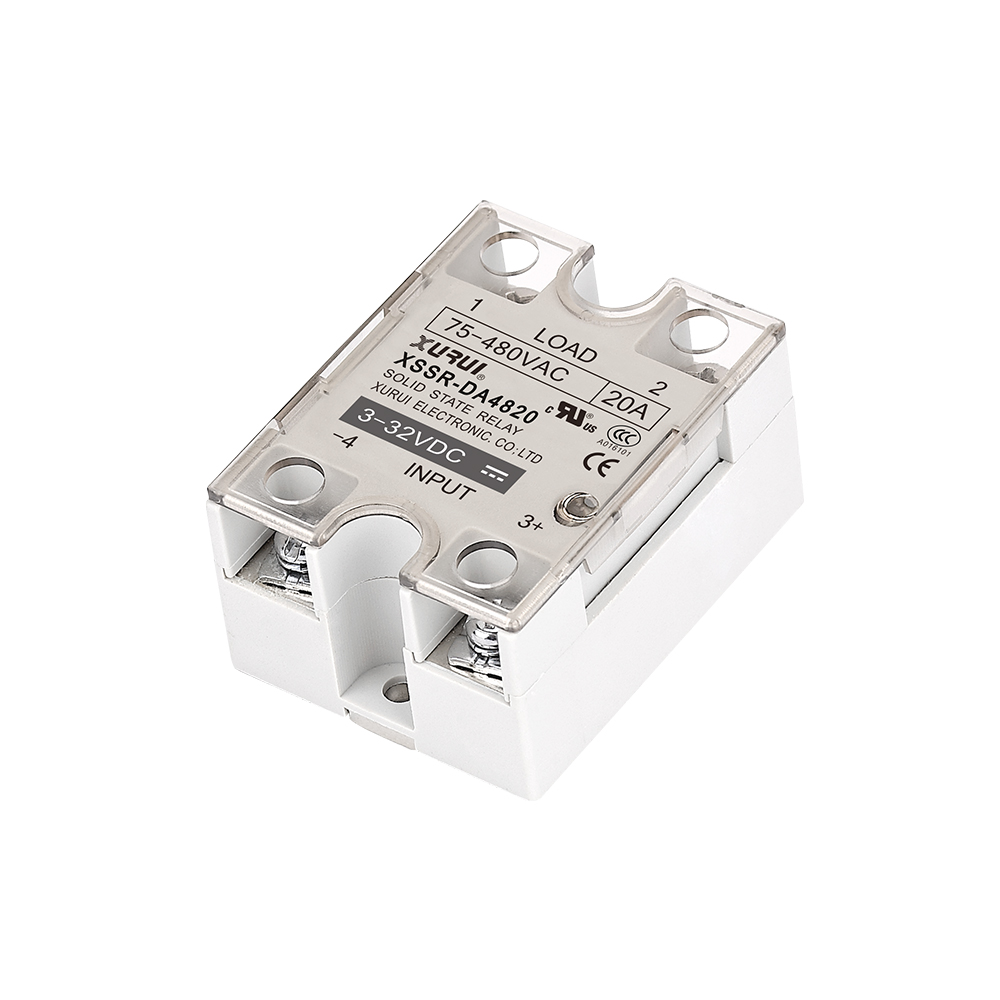

If you’ve ever dealt with noisy, short-lived mechanical relays or needed faster, more reliable switching, you’ve probably come across the term solid-state relay (SSR). But how exactly does it work—and why might it be the better choice for your application?
In simple terms, an SSR uses electronic components like thyristors or transistors to switch power to a load without any moving parts. A small control signal activates the internal semiconductor switches, allowing current to flow. Remove the signal, and the circuit turns off—fast, quiet, and with minimal wear.
In this guide, we’ll break down the SSR’s inner workings step-by-step, from the input signal to the output stage, and show how it handles switching without physical contacts. You’ll also learn how to choose the right SSR for your needs, install it safely, and troubleshoot common problems. By the end, you’ll know not only how an SSR works, but also how to use one effectively in real-world applications.
Understanding The Basics Of An SSR
What Happens On The Input Side
When a small control voltage (for example, 3–32 VDC) is applied to the SSR’s input terminals, it powers an internal LED.
The Isolation Stage
That LED shines onto an optical sensor. This creates an electrical isolation barrier between the low-voltage control side and the high-voltage load side — improving safety and protecting your control circuit.
The Output Side
- AC SSRs use a triac or two SCRs to switch alternating current.
- DC SSRs use MOSFETs to switch direct current.
Two switching styles exist:
- Zero-cross: waits until the AC wave crosses zero volts before turning on (less electrical noise, good for heaters/lamps).
- Random turn-on: turns on instantly (better for motors or timing-critical loads).
Related Reading: Is a solid-state relay right for you?
How To Choose The Right SSR
Step 1 – Match The SSR To Your Load
- AC resistive load (heater, incandescent lamp) → AC zero-cross SSR.
- AC inductive load (motor, transformer) → AC random turn-on SSR + snubber or MOV.
- DC load (LED strip, pump) → DC MOSFET SSR.
Step 2 – Check Ratings
- Voltage rating: at least 1.5× your actual operating voltage.
- Current rating: 2–3× your normal load current to reduce overheating risk.
Step 3 – Plan For Heat Management
SSRs generate heat during operation. Always consider a heatsink and airflow inside your enclosure.
Installing An SSR Safely
1. Wire It Correctly
Follow the manufacturer’s wiring diagram. Pay attention to polarity for DC SSRs.
2. Control Heat
- Apply thermal paste between the SSR and the heatsink.
- Leave open space for air circulation or use a cooling fan if needed.
3. Add Protective Components
- MOV across the load to handle voltage spikes.
- RC snubber for inductive loads.
- Fuse or breaker sized to match the SSR’s current rating.
Common Problems And Practical Fixes
Load Stays On Or Glows Dimly When “Off”
Cause: Leakage current in SSR (common in LED loads).
Fix: Install a bleeder resistor (33–100 kΩ, 1–2 W) across the load.
SSR Overheats During Operation
Cause: Undersized SSR or poor heat dissipation.
Fix: Upgrade SSR rating, add a larger heatsink, and improve airflow.
Breaker Trips On Startup
Cause: High inrush current.
Fix: Use zero-cross SSR for resistive loads or add a soft-start device for inductive loads.
Related Reading:15 Solid State Relay Troubleshooting Tips to Solve Real Problems
In Conclusion
Solid-state relays offer a fast, quiet, and long-lasting way to switch electrical loads without the wear and tear of mechanical contacts. By using semiconductors instead of moving parts, they provide better reliability, safer isolation, and more precise control.
We’ve covered how an SSR works from the input signal to the output stage, the differences between AC and DC types, how to choose the right model for your load, and how to install and maintain it for safe operation. With the right selection and setup, an SSR can deliver years of dependable performance in everything from industrial machinery to home automation projects.
Have you used solid-state relays in your own projects? Share your experience, ask questions, or drop your tips in the comments below—your input could help others make the right choice. And if you found this guide useful, consider sharing it with a friend or colleague who might benefit from it.
If you’re ready to integrate SSRs into your projects, consult a reputable Solid State Relay Manufacturer for tailored recommendations and dependable products.
XURUI Engineering Team