

Industrial switch engineering guides
written for selection and sourcing decisions
Technical guides, application notes and purchasing resources for engineers, equipment manufacturers and industrial component buyers.
Start with the selection fundamentals
 ENGINEERING GUIDE
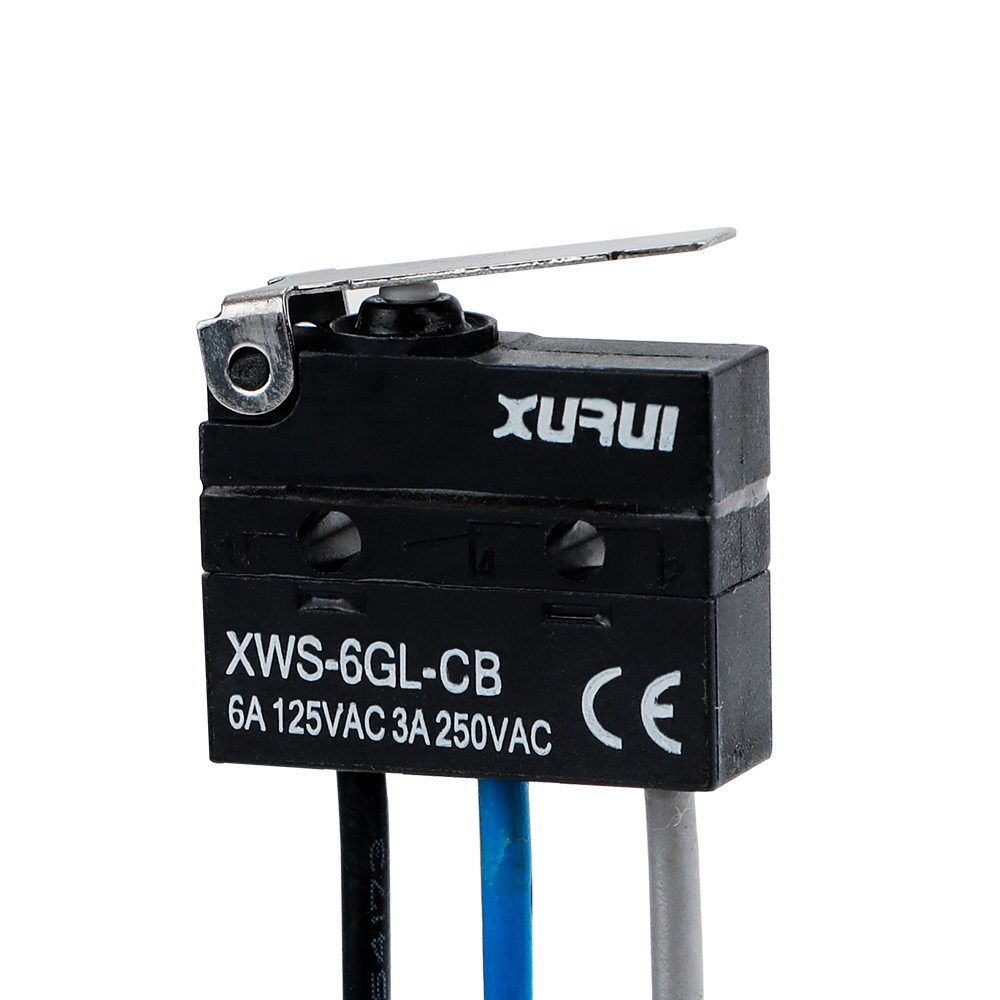
Waterproof Micro Switch Guide: IP Ratings, Sealing and Selection
A waterproof micro switch must maintain predictable electrical and mechanical performance when moisture, dust, oil, cleaning processes or outdoor exposure affect the assembly. The correct choice depends on more than the IP number printed on a datasheet.
Read guide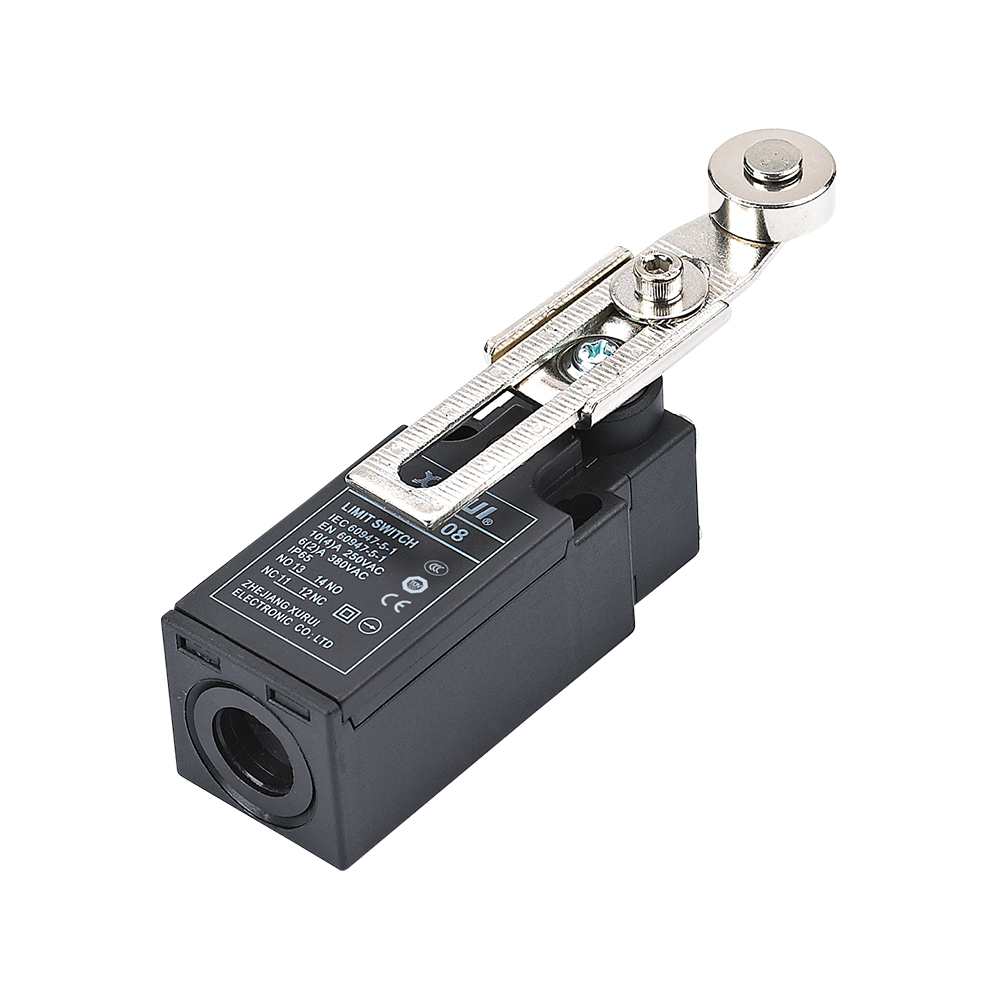 ENGINEERING GUIDE
Industrial Limit Switch Selection Guide: Actuator, Travel and Enclosure
A limit switch converts mechanical movement into an electrical state change. Reliable selection requires the actuator, target motion, travel, enclosure, contacts and mounting geometry to work together.
Read guide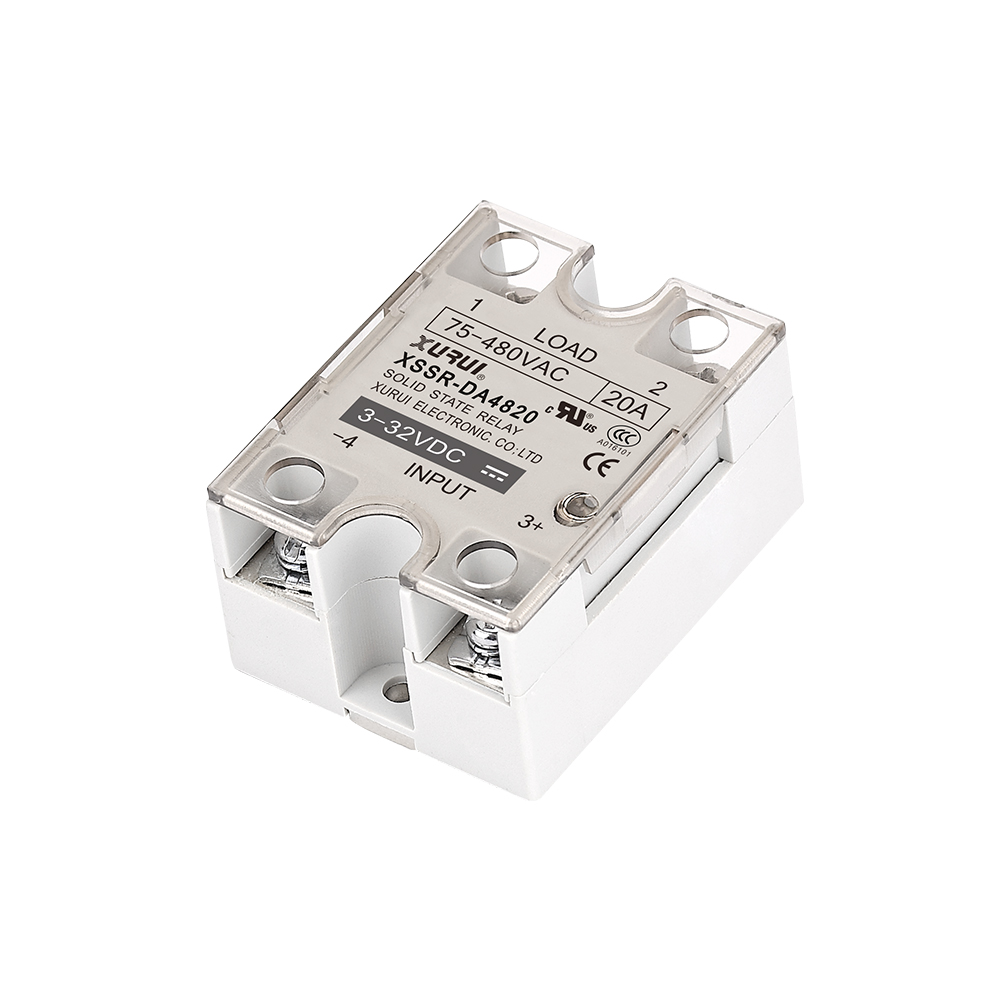 ENGINEERING GUIDE
Solid State Relay Selection Guide: Load, Current, Heat and Protection
A solid state relay has no moving power contacts, but it is not a simple drop-in current block. Correct selection depends on the input, output device, load, surge, switching method and thermal path.
Read guideLatest articles
Browse practical engineering guides for component selection, sourcing and application decisions.
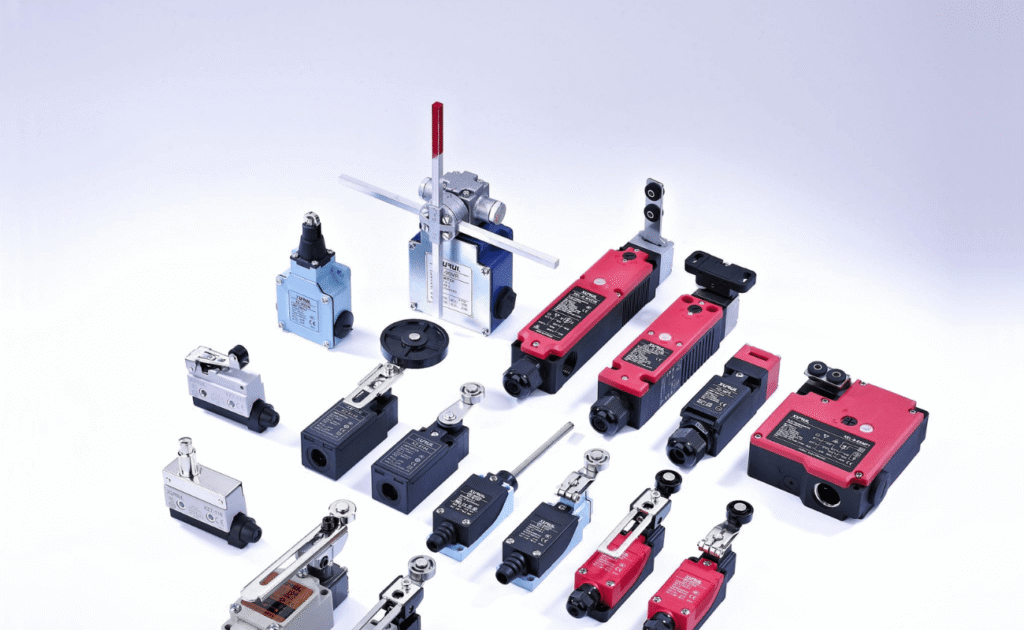
Normally Open vs. Normally Closed Switch: What’s the Real Difference
Learn what NO and NC switches are, how they work, where they are used, and how to choose the right type for your application.
Read article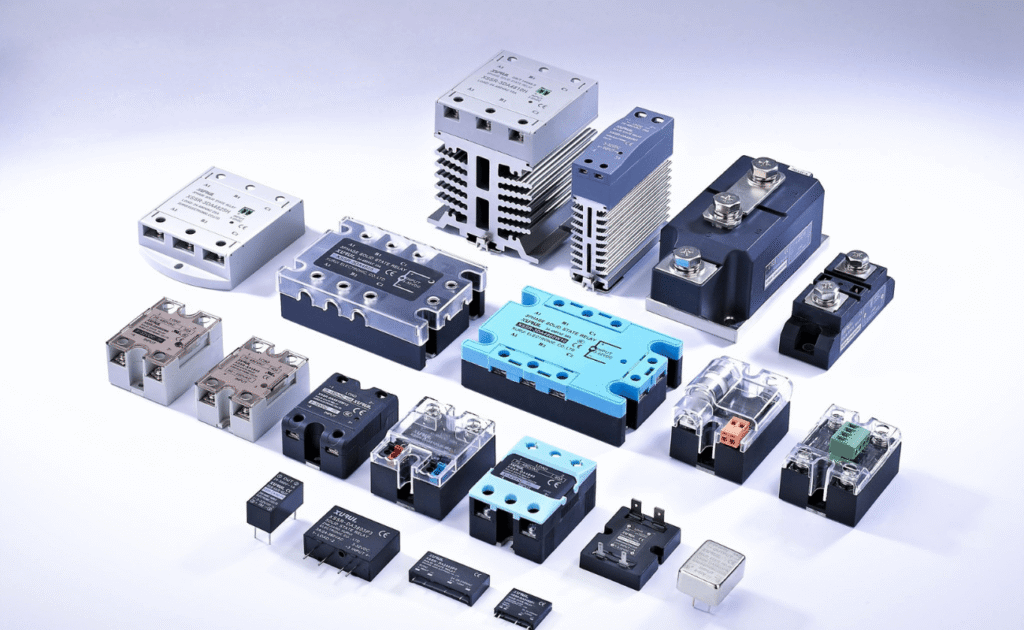
dv/dt and di/dt Explained: How They Impact Solid-State Relays’ Reliability
Learn how dv/dt and di/dt affect solid-state relay reliability, why these switching parameters matter, and how to manage them for stable SSR performance.
Read article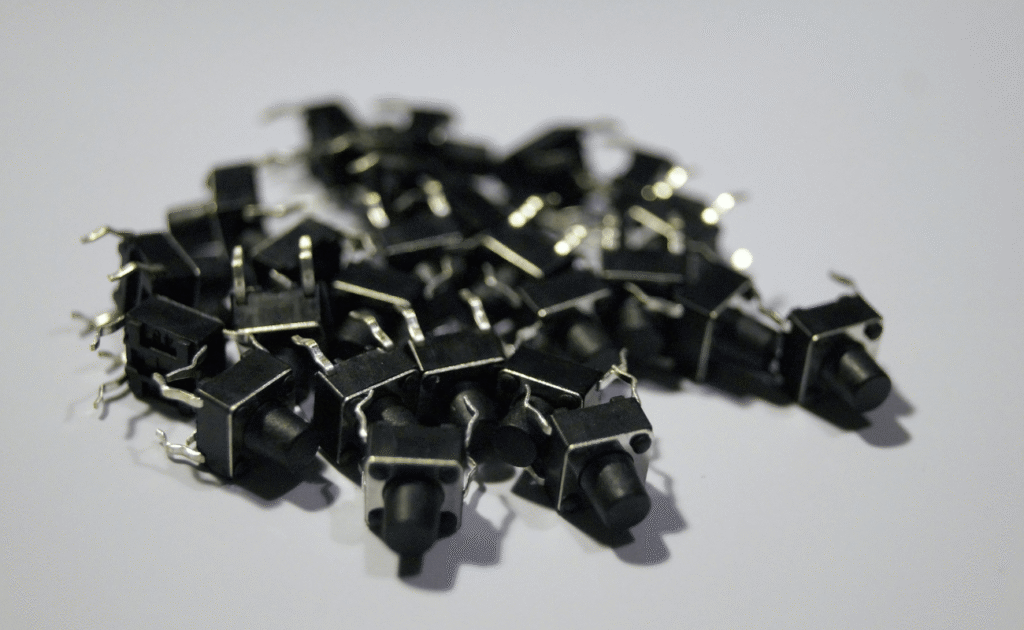
What Are Micro Switches In Special Education?
Learn what micro switches are, how they’re used in special education, and how to choose the best type for each need.
Read article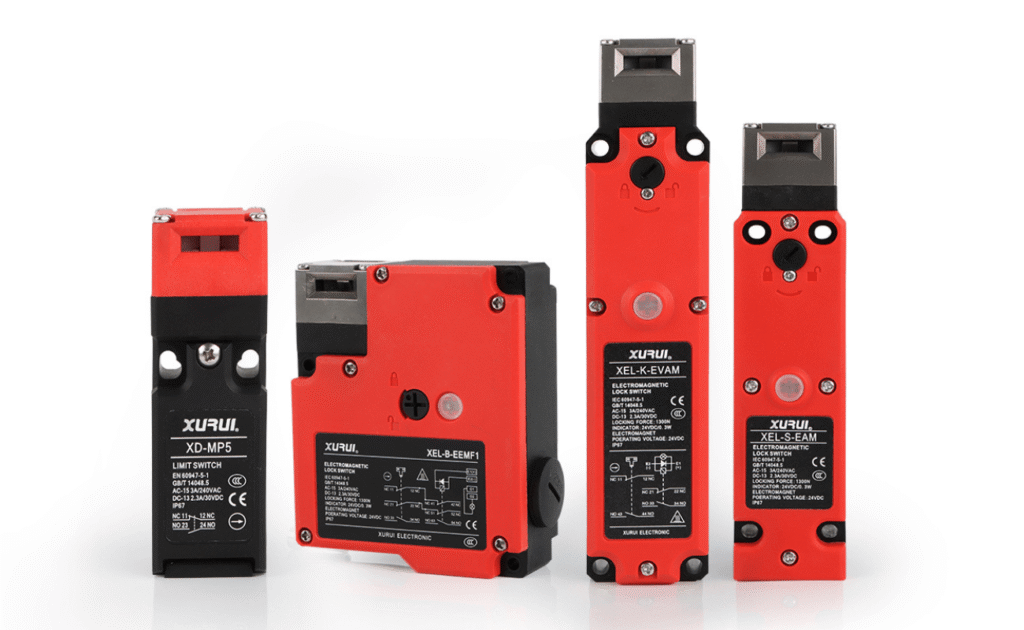
What Is The Difference Between An Interlock And A Safety Switch?
This guide helps you understand the difference between safety switches and interlocks so you can choose the right one for your setup.
Read article
Do Solid State Relays Need a Heatsink?
Discover how to know if your solid state relay needs a heatsink, prevent overheating, and keep your setup safe and efficient.
Read article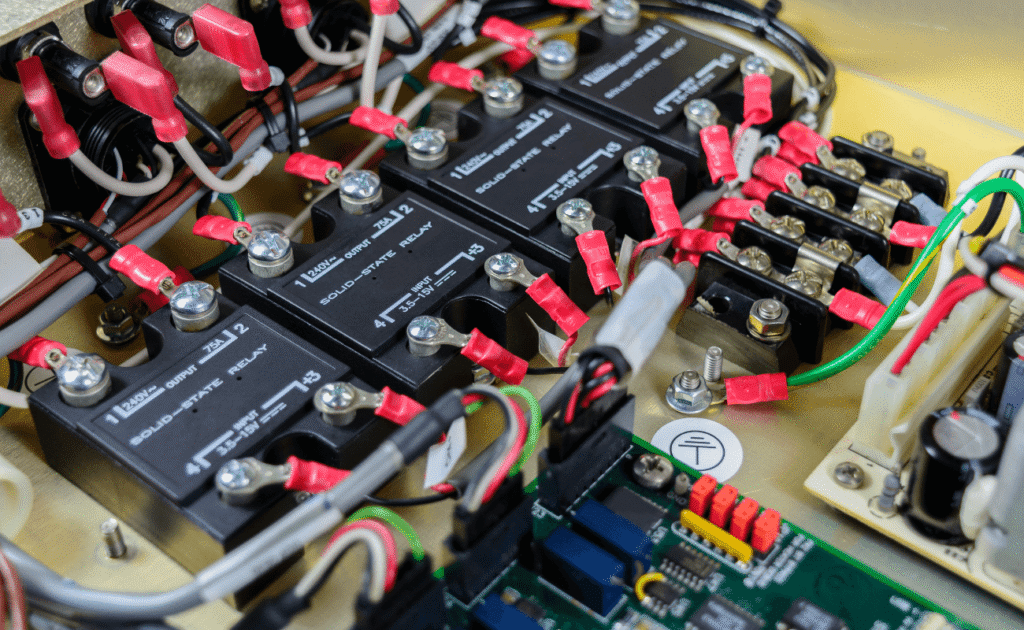
What Is the Difference Between a Normal Relay and a Solid State Relay?
Learn how normal and solid state relays differ so you can choose the right type for your project—fast, clear comparisons and practical advice included.
Read article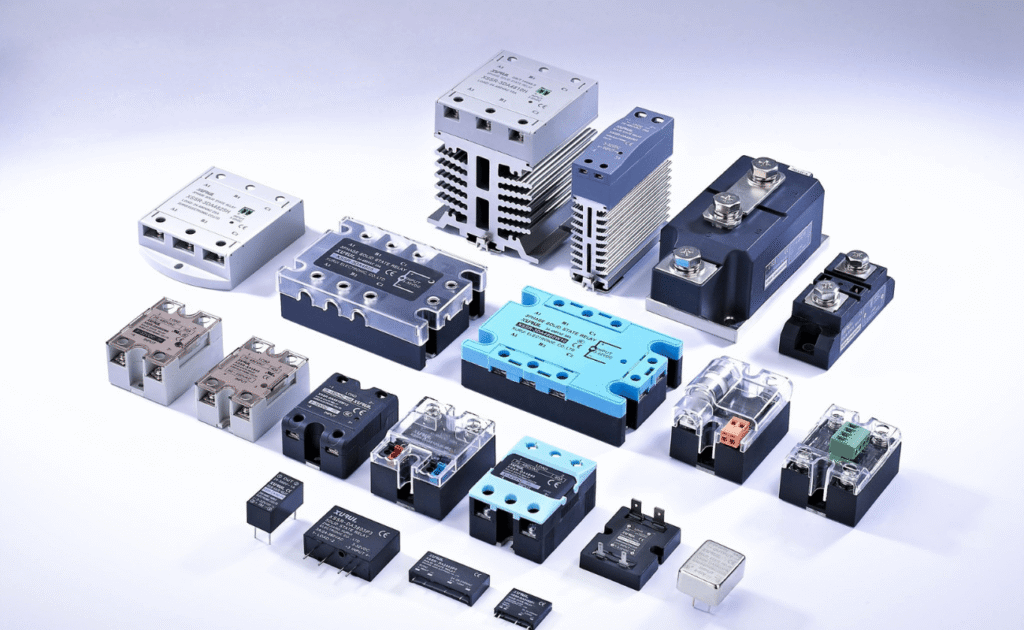
Is a Relay a Switch or a Breaker?
Discover what makes a relay different from a switch or breaker and learn which one fits your electrical setup best for safe, smart control.
Read article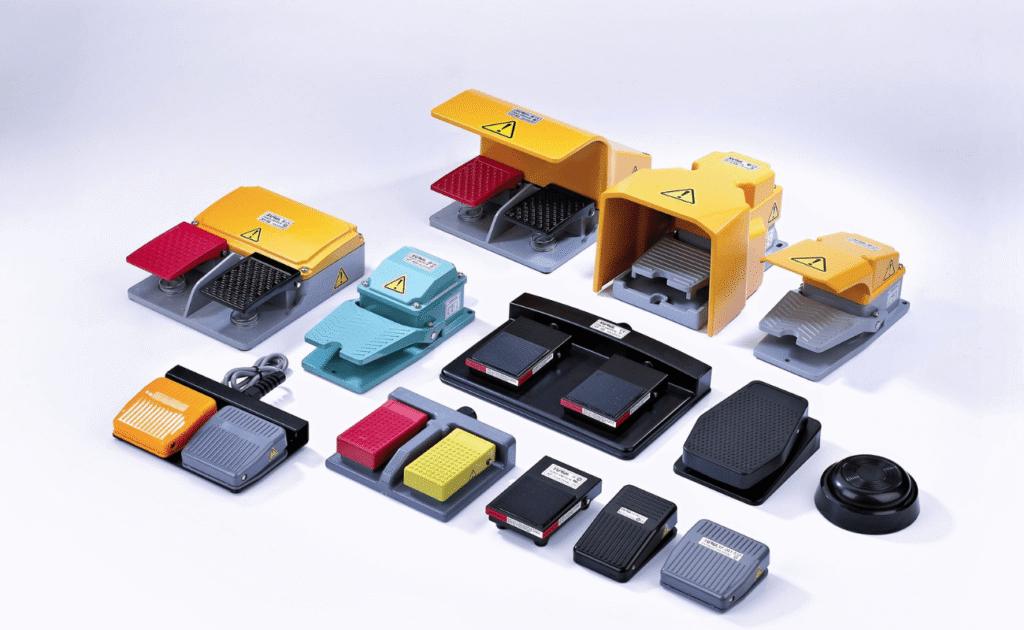
Is a Foot Switch the Same as a Sustain Pedal? The Clear Answer
We help you understand the difference between a foot switch and a sustain pedal so you can choose the right one for your setup.
Read article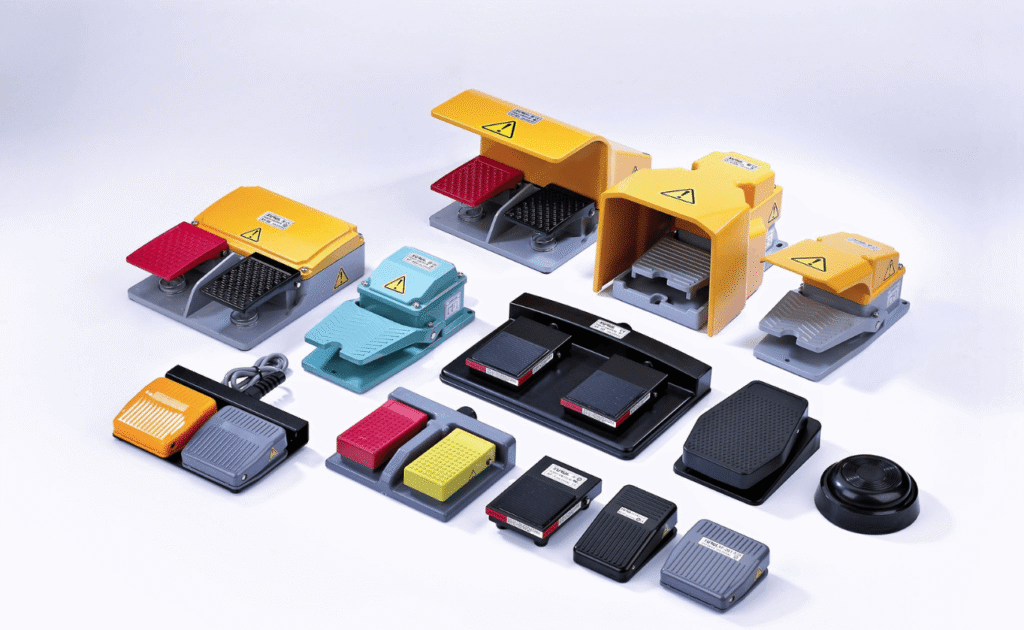
Is a Footswitch Safe? Everything You Need to Know
We help you learn if a footswitch is safe, what to check before using one, and how to choose the right type for worry-free operation.
Read article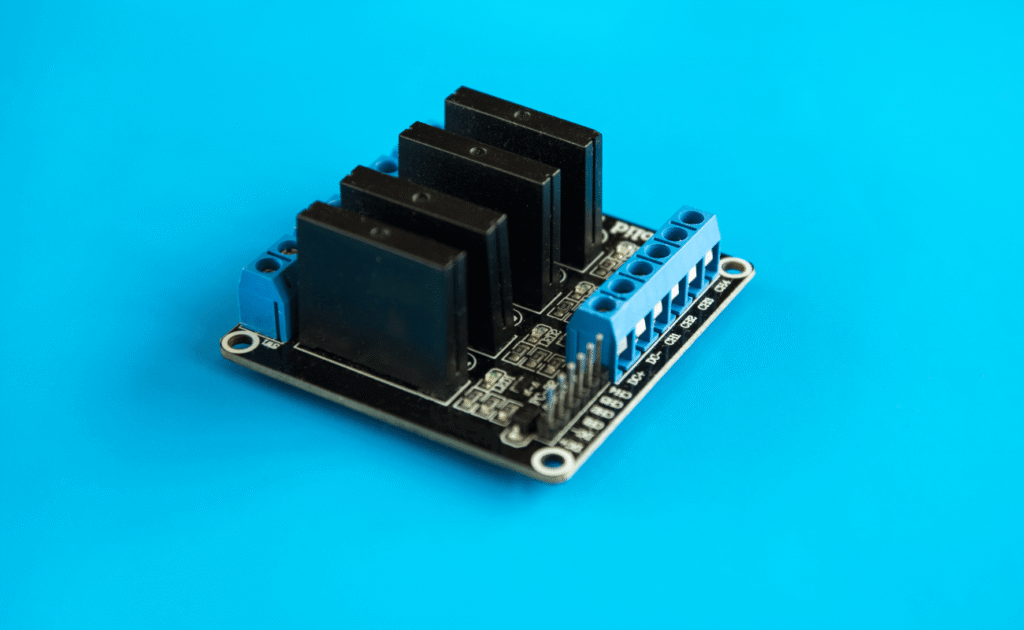
Using a Current Sensing Relay to Trigger a Solid State Relay: A Practical Guide
Learn how current-sensing relays and SSRs work together, choose the right parts, and wire them safely for reliable automation.
Read article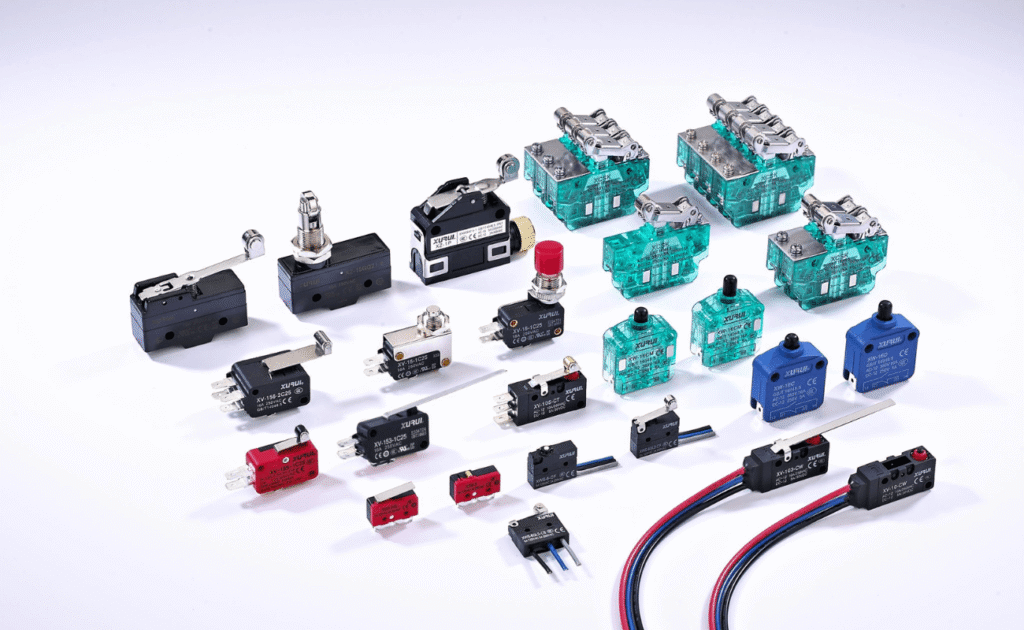
How to Tell If a Micro Switch Is Bad or Faulty in Quality?
Learn how to pair a current sensing relay with a solid state relay for safe, automatic control of motors, lights, and e-bike systems.
Read article
Is a reed switch passive or active?
A reed switch is passive, needs no power, and is perfect for simple, low-cost on/off detection in e-bikes, scooters, and DIY projects.
Read articleBuild topical authority by family
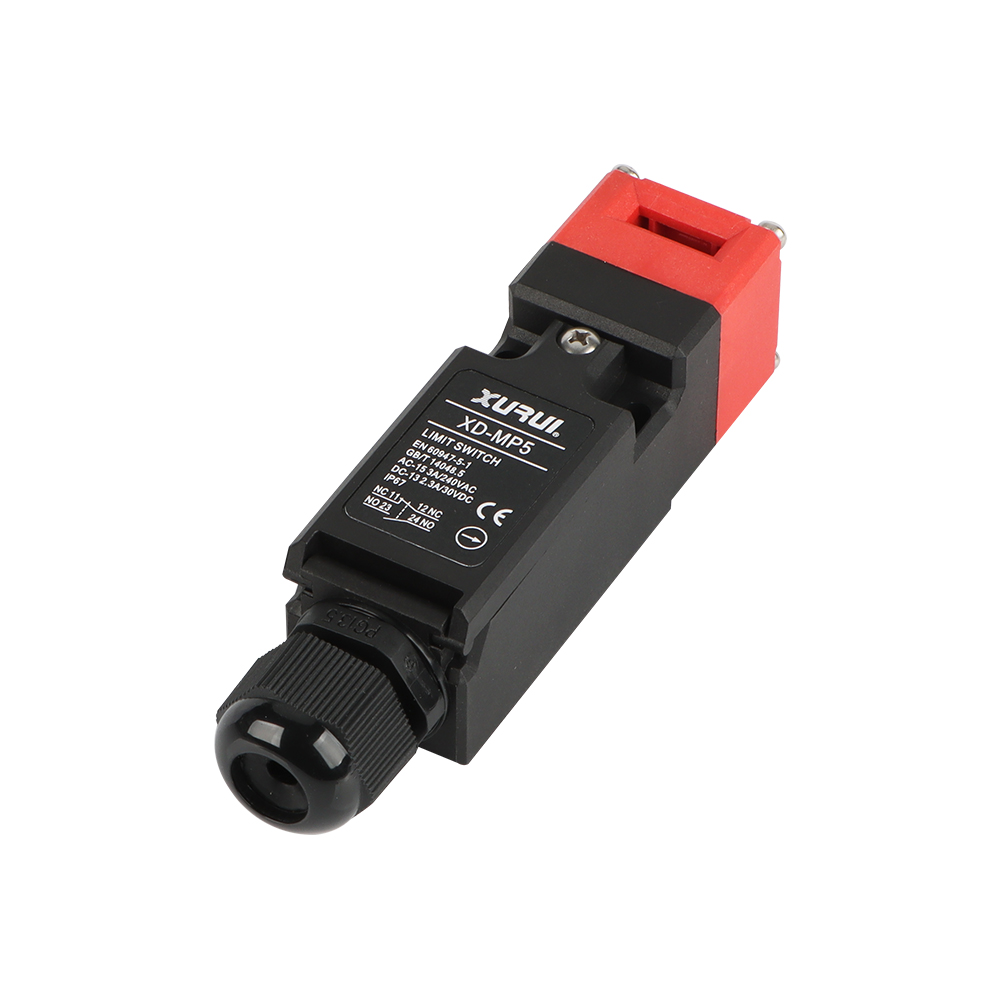
Safety Door Switch Selection
Compare guard monitoring, locking, contact architecture and installation risks.
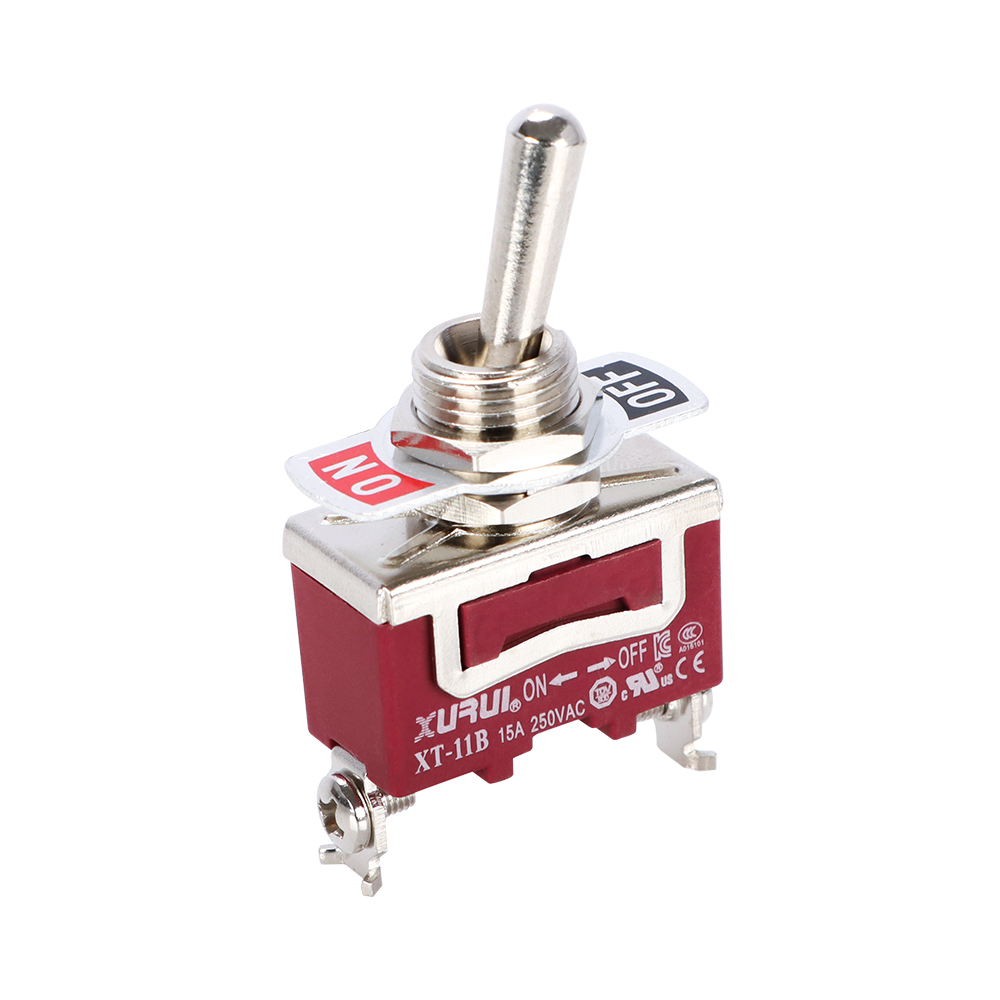
Maintained vs. Momentary Toggle Switches
Choose the switch action that matches the control logic and expected operator behavior.
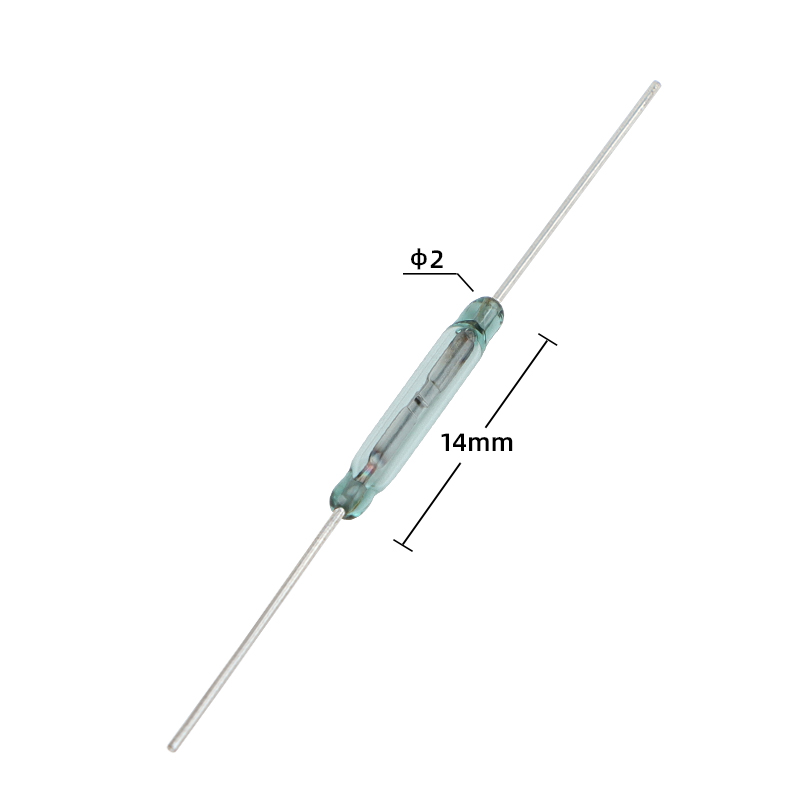
Reed Switch and Reed Relay Fundamentals
Understand sensitivity, switching load, response time and magnet geometry.

Understanding Limit Switch Travel
Use pretravel, overtravel and differential movement to protect repeatability and service life.
SSR Sourcing Checklist
Evaluate load, surge, switching mode, thermal design, protection and supplier evidence.
Toggle Guard Selection
Reduce accidental operation while preserving access and panel usability.