
An “open high limit switch” message usually means your furnace overheated and shut down for safety. This guide shows the quickest checks first, then what to look at next if it keeps happening.
What “Open High Limit Switch” Means and Why It Trips
A high limit switch is a safety cutoff. When the equipment’s temperature rises above a safe threshold, the switch opens (breaks the circuit). That forces a shutdown or stops the burner/heat source so the system can cool down.
You’ll see this most often on furnaces and HVAC equipment, but the same concept shows up in other machines that have a “high-limit” temperature protection device.
Here’s the key: “Open” often means “overheated,” not “broken.” If the system can’t move heat away effectively, temperature climbs, the switch trips, and the unit shuts down to protect itself.
That’s why this isn’t the same troubleshooting flow you’d use for a standard limit switch in mechanical equipment. Here, the high limit switch is responding to heat, usually caused by airflow or combustion issues.
Safety First Before You Touch Anything
Before you start poking around, take a minute to do this safely:
- Turn off power to the unit at the switch and at the breaker.
- If it’s a gas furnace, shut off the gas if you smell gas or see anything that concerns you.
- Wait for the system to cool down. A high limit trip means things were hot enough to trigger a safety cutoff.
Stop and call a pro if you notice any of the following:
- A burning smell that doesn’t fade
- Melted wiring, scorched plastic, or visible charring
- The unit trips repeatedly within minutes after restart
- Smoke, unusual flame behavior, or soot buildup
- You’re not comfortable removing panels or working near electrical components
If everything looks normal and the unit is cool, move on to the most common causes.
The Fastest Fixes First: Airflow Problems That Cause Overheating
In real-world troubleshooting, airflow issues are the top reason high limit switches open. The system produces heat, but the heat can’t get carried away, so temperature rises until the safety switch trips.
Replace or Clean the Air Filter
This is the first check because it’s fast and it causes a surprising number of high-limit trips.
- If your filter is dirty, replace it (don’t “tap it out” and call it good).
- If you use a washable filter, clean it thoroughly and let it dry completely before reinstalling.
- If you recently installed a very high-MERV filter and problems started soon after, consider whether it’s restricting airflow for your system.
A clogged filter can make the blower work harder and reduce airflow enough to cause overheating.
Check Supply Vents and Return Air for Blockages
Even with a clean filter, blocked vents can choke airflow.
- Walk through the house and make sure supply vents are open and not covered by rugs or furniture.
- Check that return vents aren’t blocked. Returns matter just as much as supplies.
- If you have multiple floors, make sure you haven’t accidentally created a “closed off” zone that’s starving the system for airflow.
If airflow improves, you may solve the issue without touching anything else.
Inspect the Blower and Fan Performance
If the blower isn’t moving air properly, the unit can overheat quickly.
Look for signs like:
- Weak airflow at vents compared to normal
- The blower doesn’t start consistently
- Strange noises (squealing, grinding, rattling)
- The unit heats briefly, then shuts off and tries again (short cycling)
Blower problems can come from several sources (motor issues, capacitor problems, worn components, etc.). You don’t need to diagnose every part to move forward, but you should recognize that a struggling blower can absolutely trigger an open high limit.
Clean Dust Buildup Near the Furnace or Heat Exchanger Area
Dust and debris can act like insulation where you don’t want it, making it harder for the system to shed heat.
- Power off the unit.
- Remove the access panel if it’s designed for homeowner access.
- Carefully clean visible dust buildup around intake areas and accessible surfaces.
If you’re not sure what you’re looking at, don’t force it. The point here is basic cleanliness that supports airflow and heat transfer, not a deep tear-down.
If It Still Trips: Heat and Combustion Issues to Check Next
If airflow fixes don’t stop the problem, it’s time to consider issues that create too much heat or prevent heat from moving through the system correctly.
Dirty Flame Sensor or Burner Issues That Create Excess Heat
On many furnaces, combustion has to be stable and controlled. If components are dirty or out of spec, the system can behave erratically and overheat.
Common symptoms include:
- The furnace lights, then shuts off soon after
- The flame looks uneven or unstable
- Frequent restart attempts
Some maintenance tasks are simple, but combustion-related troubleshooting can move into “call a technician” territory quickly. If you don’t have experience working around burners, it’s safer to stop here and schedule service.
Closed Dampers or Duct Restrictions Downstream
Sometimes the furnace is fine, but the duct system can’t move air the way it should.
- If you have manual dampers, make sure nothing is accidentally closed.
- If a room was renovated or a vent was sealed, you may have reduced airflow without realizing it.
- If you suspect a duct collapse or major restriction, that’s typically a professional inspection.
Oversized System or Short Cycling Signs
If the system is oversized for the space, it may heat too quickly, shut off, and repeat. That doesn’t always trigger a high limit switch, but it can contribute to overheating and frequent safety shutoffs depending on airflow and duct design.
Signs include:
- The unit heats the house quickly but turns off before it reaches a steady run
- Lots of short cycles during mild weather
- Uneven comfort across rooms
This one is less of a “quick fix,” but it’s useful context if you keep seeing the same error.
Resetting and Verifying the High Limit Switch After Fixes
Once you’ve addressed obvious airflow or blockage issues, you’ll want to reset and confirm the system can run normally.
Manual Reset vs Automatic Reset
Some high limit switches reset automatically once the unit cools down. Others require a manual reset (often a small button on the switch).
If your unit has a manual reset and you’re not sure where it is, check your owner’s manual or the labeling inside the access panel. Don’t “force” a reset repeatedly without fixing the cause.
Related Reading: Is a limit switch automatic or manual?
How to Confirm the Problem Is Actually Resolved
Your confirmation step should be behavior-based:
- Start the system and let it run long enough to reach a normal cycle.
- Watch for steady airflow and normal heat output.
- If it shuts down again and returns to the same “open high limit” condition, treat it as an unresolved root cause, not a one-time glitch.
Avoid jumping straight into multimeter testing here. If you need to confirm the switch’s electrical behavior, it’s better to do it the right way using a dedicated testing walkthrough.
When the Switch Itself Is the Problem
Sometimes the switch is actually failing. The trick is not assuming that too early.
Signs of a Failed High Limit Switch
You’re more likely dealing with a bad switch if:
- The switch or terminals show burning, warping, or corrosion
- Wiring connections are loose or damaged
- The unit trips even after airflow and overheating causes are clearly addressed
- The system behaves inconsistently in a way that doesn’t match actual temperature issues
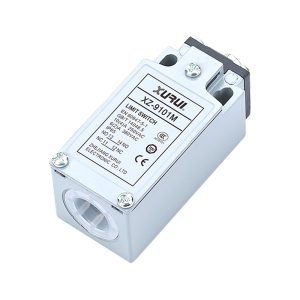
What to Do Next If You Suspect the Switch Is Failing
If you’ve already addressed airflow and obvious overheating causes, but the unit still trips, the next step is to verify whether the high limit switch is behaving normally.
A few practical pointers that keep this safe and realistic for homeowners:
- Don’t bypass the switch. It’s a safety device, and jumping it can create a real overheat hazard.
- Check the simple stuff first. A loose spade connector, a slightly burnt terminal, or a pinched wire can mimic a “bad switch” symptom.
- If you need electrical confirmation, treat it as an electrical check. Power off at the breaker, take photos before moving wires, and only proceed if you’re comfortable working around electrical components. Otherwise, this is a good handoff point to a technician.
If the system runs normally after airflow fixes and basic cleanup, the switch was likely doing its job. If it continues to trip without any signs of overheating or restriction, that’s when a professional diagnosis makes sense.
Prevent It From Happening Again
Once your system is running, a little prevention goes a long way. High limit trips usually happen because heat can’t leave the unit fast enough, so your goal is to keep airflow steady and heat transfer efficient.
Simple Maintenance Schedule
- Change filters on time. If you have pets, construction dust, or allergies, you may need to do it more often than the label suggests.
- Do a monthly vent check. Make sure return vents and supply vents aren’t covered or closed off.
- Keep the area around the unit clean. Dust buildup around intake areas can quietly reduce performance over time.
Airflow and Temperature Red Flags to Watch
- Air coming from vents feels weaker than usual
- Rooms start heating unevenly
- The furnace short cycles more often than normal
- You notice new blower noises or a hot, dry smell during operation
Catching these early is usually what prevents another “open high limit” shutdown.
When to Call a Technician
Call for service if:
- The high limit trips more than once in a short period
- You’ve replaced the filter, opened vents, and verified returns, but it still shuts down
- You see heat damage, smell burning, or suspect combustion issues
- You’re not comfortable verifying wiring, connections, or internal components
Related Reading: Limit Switch Testing Guide
Final Thoughts
An open high limit switch is typically a symptom of overheating, not proof the switch is defective. Start with airflow because it’s the most common root cause and the easiest to fix. If the problem persists after the basics, move to deeper heat and combustion checks, and only then consider whether the switch itself is failing. The sooner you address repeat trips, the more you reduce the risk of larger repairs down the line.
XURUI Engineering Team